Flood in Budapest 2024: A Historic Event and How Budapest is Responding


In September 2024, Budapest faced one of the most severe floods in over a decade. Following an unusual amount of rainfall in the region, the water level of the Danube has risen rapidly, posing a significant threat to the city and surrounding areas. The flood, which is being compared to the devastating event of 2013, has triggered a third-degree flood alert across all flood protection sections in Budapest. The situation is critical, and both local authorities and residents are preparing for what could be a record-breaking water level.

Flood in Budapest: The Unprecedented Threat

The recent surge in rainfall has led to what experts are calling one of the most severe flood threats in Hungary since 2013. With water levels rising dangerously close to those of 2013, the potential for the flood to surpass this historical benchmark remains high. If the downpours continue at their current rate, it’s possible that Budapest will see new records being set.

In response, flood defenses have already been initiated along the upper sections of the Danube. The flood wave is now approaching the capital, and all efforts are being focused on ensuring the safety of the city’s residents and infrastructure.

Urgent Notice for Visitors

One of Budapest’s most symbolic memorials, the Shoes on the Danube, will likely be submerged as water levels continue to rise. If you wish to visit this important site, it is advised to do so as soon as possible before the floodwaters cover the embankment. The memorial, located on the edge of the Danube, serves as a powerful reminder of the atrocities of World War II, and it remains one of the city’s most poignant landmarks.

Additionally, all Danube river cruises will be canceled from Tuesday afternoon, September 17, 2024, due to the dangerous water conditions. If you have any planned trips along the river, please check with your cruise provider for further details and updates.

All  Free Budapest Walking Tours will go as normal.

How the City is Preparing for the Flood in Budapest

As the flood threat grows, the Hungarian government and local authorities are taking swift action to ensure timely preparation. Alongside local disaster management teams, the government is mobilizing resources and taking precautions to minimize the impact of the rising waters. Flood defenses are being bolstered, and the city’s emergency response plans have been activated to protect key areas of Budapest.

Transport services in flood-prone areas are also being adjusted to ensure public safety. From September 17, 2024, tram lines 2, 2B, and 23—essential routes along the Pest embankment—will operate in two separate sections:

  • Jászai Mari Square to Széchenyi István Square
  • Március 15 Square to the southern terminuses in Pest

Unfortunately, no trams will run between Széchenyi István Square and Március 15 Square, and no replacement buses will be provided. During this time, BKK (Budapest’s public transport company) recommends using other available routes, including metro lines and tram lines 47, 49, 4, and 6, as well as trolleybus 72 and buses 9 and 15.

The Wider Impact Across Europe

Budapest is not alone in facing this extreme weather event. Across Europe, several countries are grappling with critical flood situations as heavy rains continue to swell rivers and cause widespread damage. In Hungary, the focus remains on Budapest and the potential for the Danube to reach historic water levels. With flood defenses already in place and ongoing efforts to strengthen them, Budapest is doing everything possible to mitigate the flood’s impact.

Stay Safe and Stay Informed

Floods can happen quickly and unexpectedly, causing significant damage to both life and property. If you’re in Budapest or any affected areas, follow local updates, heed warnings, and stay clear of flood-prone zones.

Stay tuned to our blog for further updates as the situation develops in Budapest.
48 Hours in Budapest: A September Itinerary

Budapest, with its rich history, stunning architecture, and vibrant cultural scene, and it truly comes alive in September. As summer transitions to autumn, the city offers ideal weather for exploring its famous landmarks, savoring local cuisine, and enjoying exciting festivals. If you have only 48 Hours in Budapest, you need to prioritize your schedule, but we are here to help you! For travelers visiting Budapest, this 2-day itinerary—packed with free tours and top attractions—will help you make the most of your time in this beautiful city.


48 Hours in Budapest Day 1: City Highlights, Walking Tours, and Scenic Views


Morning: Free Budapest Walking Tour (10:30 AM)

Start your first day with a Free Budapest Walking Tour at 10:30 AM. This tour is a great introduction to the city, showcasing Budapest’s rich history and iconic sites. You’ll begin in the heart of the city, with your guide leading you past landmarks like and Elizabeth Square with the Budapest Eye Ferris Wheel, St. Stephen’s Basilica, the Danube Promenade, Gresham Palace, the Chain Bridge, the Shoes on the Danube Memorial, the Hungarian Parliament. The tour provides a blend of historical insights and local tips for the best places to eat and explore. 

The tour concludes around noon at the Hungarian Parliament Visitor Center, where you can use the free restrooms and grab a quick lunch at a nearby café, supermarket, or street vendor. Be sure to sample local favorites like goulash or chimney cake (kürtőskalács)

Afternoon: Free Buda Castle Hill Tour (2:30 PM)

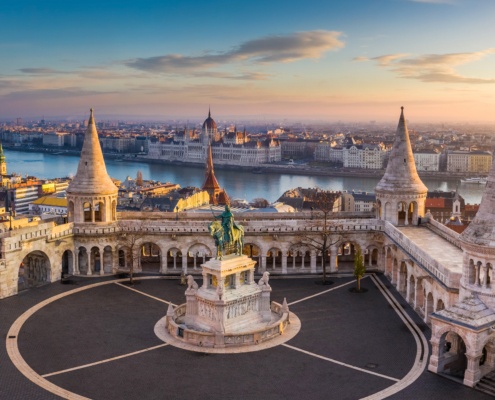
Take the metro under the Danube to Batthyány Square on the Buda side of the city, and join the Free Buda Castle Hill Tour at 2:30 PM. This guided tour will lead you through the historic Buda Castle District, where you’ll explore the Royal Palace, stroll through ancient cobblestone streets, and visit highlights like Matthias Church and the Fisherman’s Bastion, which offers breathtaking panoramic views of Pest and the Danube River.

The tour wraps up around 4:30 PM, allowing you time to relax at a charming Buda café. If you’d like to wind down further, consider visiting a nearby thermal bath for some rejuvenation.


Evening: Relax at Lukács Thermal Baths:


After a full day of exploring, treat yourself to a relaxing evening at Lukács Thermal Baths, one of Budapest’s most authentic and budget-friendly thermal baths. Unwind in the warm, mineral-rich waters of the indoor and outdoor pools, or enjoy the steam chamber and sauna.

To end your day, try one of our favorite Hungarian restaurants, specializing in local fish dishes, the Horgásztanya, or book a dinner cruise on the Danube to admire the illuminated cityscape, including iconic landmarks such as the Parliament Building and Buda Castle.


48 Hours in Budapest Day 2: Markets, Tours, and Budapest’s Jewish Heritage


Morning: Visit The Great Market Hall

Start your day with a visit to The Great Market Hall, the largest and oldest indoor market in Budapest. Arrive early to explore the bustling market stalls and sample a traditional Hungarian breakfast. Don’t miss out on local delicacies like lángos, a fried dough snack topped with sour cream and cheese.

Late Morning: Explore Heroes’ Square and City Park

After breakfast, head to Heroes’ Square, one of Budapest’s most iconic public spaces. Admire the statues of Hungary’s national leaders and stroll through the nearby City Park. History buffs can visit Vajdahunyad Castle, located in the park, for insight into Hungary’s architectural history. You can also stop by the Museum of Fine Arts for a cultural experience.

Early Afternoon: Scenic Tram Ride & Lunch

Hop on the No. 2 tram, which runs along the Danube River and offers some of the most scenic views of the city. This tram route provides a great way to revisit landmarks you learned about in-depth yesterday, such as the Hungarian Parliament Building, the Chain Bridge, and Buda Castle, but this time from a unique tram-side view. If you have only 48 hours in Budapest you might consider joining a sightseeing cruise on the Danube after sunset, with that you can see both the Parlament’s and the Buda Castle’s lights in an hour. Find your favorite one here.

For lunch, grab a quick bite from a street food vendor. You can find a wide variety of street food in the Jewish District, but if you are looking for something local, try the Lángos.

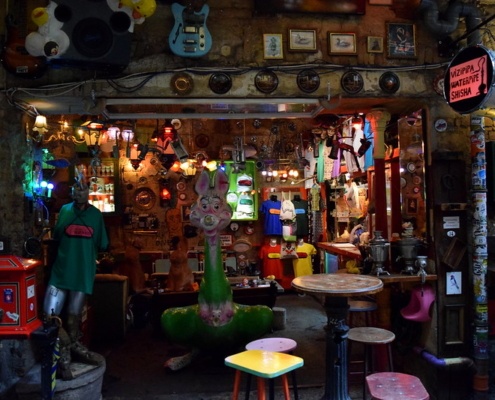
48 Hours in Budapest - Szimpla Kert

Afternoon: Free Jewish Budapest Tour (3:30 PM)

At 3:30 PM, join the Free Jewish Budapest Tour, which focuses on the city’s Jewish heritage and history. The tour will take you through Budapest’s historic Jewish Quarter, where you’ll visit important landmarks like the Dohány Street Synagogue, the largest synagogue in Europe. You’ll also explore the Rumbach Street Synagogue and Kazinczy Street Synagogue, learn about the Mikveh, see the last piece of the ghetto wall, and hear about the Jewish community’s golden age and the tragic events of World War II. We usually finish the tour in the famous ruin bar, the Szimpla Garden, which is a great start to every night of your 48 hours in Budapest.

Evening: Budapest’s Festivals and Ruin Bars

If your visit coincides with one of Budapest’s many September festivals, take the evening to enjoy the vibrant atmosphere. Here are a few festivals you might want to check out:

  • Budapest Wine Festival: Held at Buda Castle, offering wine tastings from top Hungarian wineries, live music, and a picturesque setting. Date: Sep.12-15
  • Art Sacra Festival: With the festival’s programs, we aim to inspire people to turn inward through the language of art, touch their souls, and showcase the European values that are rooted in spirituality. This includes free concerts in some of Budapest’s main churches. Date: Sep.14-22

Cap off your night at one of Budapest’s famous ruin bars. These eclectic, art-filled venues, like the renowned Szimpla or Instant, are housed in abandoned buildings and courtyards, offering a lively and unique atmosphere. Enjoy a drink, live music, and soak in the city’s vibrant nightlife.

Tips for 48 Hours in Budapest in September:

  • Weather: Expect pleasant temperatures ranging from 16-24°C (61-75°F), though evenings can get cooler, so pack light layers and bring an umbrella in case of rain.
  • Tours: All the free tours mentioned are tip-based, so make sure to bring some cash to show your appreciation to the guides.
  • Transportation: Budapest is very walkable, but you can also purchase a Day Travel Card, which offers unlimited use of buses, trams, and metro lines. Don’t confuse it with the Budapest Card, which is more expensive. The main advantage of the Budapest Card is that it includes free entry to Lukács Thermal Baths. 
  • Currency: Hungary uses the Forint (HUF), although many places accept credit cards.

Budapest Public Transportation Guide: The Most Useful Lines for Tourists

Budapest, Hungary’s captivating capital, is rich in history, culture, and breathtaking architecture. With its blend of historic sites, vibrant markets, and serene river views, it’s no wonder Budapest is a favorite destination for travelers worldwide. If you’re planning a visit, one of the best ways to explore this majestic city is through its well-established Budapest public transportation. Some of these lines offer visitors a seamless way to navigate Budapest’s most famous landmarks and hidden gems.

Below, we explore the most scenic and iconic tram lines in Budapest, including lines 2, 17, 49, 4, and 6.

Tram Line 2: A Riverfront Journey

Arguably the most scenic tram ride in Budapest, Tram 2 is a must-do for any visitor. Running along the eastern bank of the Danube River on the Pest side, this tram offers some of the best views of the city’s architectural wonders.

Key Sights Along Tram 2:

  • Hungarian Parliament Building: The tram offers one of the best views of this NeoGothic Revival masterpiece, standing tall along the Danube.
  • Chain Bridge: As you travel, you’ll glide past the historic Széchenyi Chain Bridge, the first permanent bridge connecting Buda and Pest.
  • Buda Castle and Fisherman’s Bastion: From the tram, you’ll get a stunning view of these famous landmarks perched high on the opposite side of the river.
  • Gellért Hill and Liberty Statue: The hills of Buda, crowned by the towering Liberty Statue, provide a picturesque backdrop.

Whether you’re taking it in by day or enjoying the illuminated skyline at night, Tram 2 is an unmissable experience for photographers and sightseeing enthusiasts alike.

Tram Lines 4 and 6: The City’s Lifeline

Known as the busiest tram lines in Europe, Trams 4 and 6 run 24 hours a day, connecting some of the city’s most important districts. While these trams may not offer the same breathtaking views as others, they are essential for travelers looking to explore the city efficiently.

Key Sights Along Tram 4/6

  • Margaret Island: Both trams cross the Margaret Bridge, giving you access to this peaceful island park. It’s a popular spot for a walk, bike ride, or even a swim.
  • Oktogon: Located at one of Budapest’s busiest intersections, Oktogon is a great stop if you’re exploring the trendy Andrássy Avenue, a UNESCO World Heritage Site known for its upscale shops and cafes.
  • Nyugati Railway Station: Designed by Gustave Eiffel’s company, this iconic building is a transportation hub and a notable architectural gem.

Running along the Grand Boulevard, these trams give you a glimpse of Budapest’s vibrant city life, passing through districts full of shopping, dining, and entertainment options. Plus, with their 24-hour service, you can count on them any time of the day or night.

Tram Line 19: A Scenic Ride Along the Buda Side

Tram 19 offers a peaceful and picturesque journey along the Buda side of the Danube, with views that rival Tram 2 on the Pest side. Running from Kelenföld Railway Station and Etele Plaza to Batthyány Square, this tram line takes you through some of Buda’s most charming districts while offering stunning river views.

Key Sights Along Tram 19

  • Gellért Hill and Liberty Statue: As you ride past this hill, you can enjoy beautiful views of the city’s green spaces and the monumental Liberty Statue.
  • Buda Castle hill: You’ll pass by this historic area, offering a breathtaking perspective of the Buda Castle Complex perched on the hills..
  • Batthyány Square: This bustling square is known for its view of the Hungarian Parliament across the river, offering one of the best photo spots in the city.

Tram 19 is perfect for those who want to explore the Buda side at a relaxed pace while enjoying iconic views of the river, hills, and bridges that define Budapest’s skyline.

Bus Line 15

Bus 15 in Budapest is a popular public transport route that serves both locals and tourists. It provides convenient access between several key areas in the city, mainly focusing on the Pest side. The bus is especially useful for those who want to explore central Budapest while avoiding the crowds on the metro or tram lines.

Route: The bus primarily runs from Gyöngyösi utca M (a station near Árpád Bridge in the northern part of Pest) to Boráros tér H (a major transport hub near the Danube River).

Key Sights Along Bus 15

    • Nyugati pályaudvar (Western Railway Station): One of the main railway stations in Budapest, with a beautiful building designed by Gustave Eiffel’s company.
    • Váci Street (Váci utca): This stop allows you to visit Budapest’s most famous pedestrian shopping street, lined with cafes, restaurants, and high-end boutiques.
  • Kálvin tér: A central square offering access to the Budapest Market Hall and the Hungarian National Museum.
  • Grand Central Market: the best place for a Hungarian breakfast and souvenirs.


Bus Line 16


Bus 16 in Budapest is known as the “Castle Bus”, as it connects the Buda Castle District with key points in the city. It is a favorite among both locals and tourists, providing easy access to the historic Buda side, especially for those wanting to explore the castle area.


Key Sights Along Bus 16

  • Széll Kálmán tér: A major transit hub on the Buda side, providing connections to the metro (M2), trams, and other bus lines.
  • Buda Castle District: Several stops here make it easy to visit top attractions, including the Matthias Church, Fisherman’s Bastion, Buda Castle, and the Hungarian National Gallery.
  • Clark Ádám tér: This stop is near the base of the Chain Bridge, allowing you to easily walk across the bridge into Pest, or take the Castle Hill Funicular.
  • Deák Ferenc tér: The main square in downtown Pest, where all three metro lines intersect, making it a key transit point for exploring the rest of the city.


Tips for Tourists Using Budapest Public Transportation

  • Buy a Travel Pass: If you’re staying for a few days, consider purchasing a Budapest travel card, which offers unlimited use of buses, trams, and metro lines. Be sure not to confuse it with the Budapest Card, which is more expensive 
  • Avoid Peak Hours: Like other public transport routes, these lines can get crowded during rush hour. For a more comfortable journey, try to travel during off-peak times.
  • Stay Alert for Pickpockets: When traveling through tourist-heavy areas, it’s a good idea to keep an eye on your belongings, especially near Váci Street or Nyugati Station.


In summary, the above lines are a convenient and efficient way to explore the heart of Budapest, offering stops near key attractions, shopping streets, and transport hubs. These lines provide an affordable option for tourists looking to travel around central Pest without venturing underground. 

Explore Budapest Like a Local—Join Our Daily Free Budapest Tours!

While the Budapest public transportation system offers an incredible way to see the city, there’s no better way to truly understand its history, culture, and hidden gems than by joining a free walking tour led by expert local guides.