Discover Budapest in the Spooky Season: Celebrate Halloween and All Soul’s Day in Budapest

The City’s Most Beautiful Cemeteries: A Journey Through History on All Soul’s Day in Budapest

As autumn settles in and the leaves begin to turn, Budapest transforms into a city of remembrance and reflection during All Saints’ Days (November 1) and All Souls’ Day (November 2). While these days are filled with solemnity, they also provide a unique opportunity to explore the rich history and stories behind Budapest’s beautiful cemeteries.

A Brief History of All Soul’s Day 

All Soul’s Day is a time when families come together to honor and remember their loved ones who have passed away. In Hungary, this tradition is deeply rooted, and cemeteries become vibrant places filled with flowers, candles, and heartfelt memories. The atmosphere is a blend of reverence and warmth, as people gather to pay their respects.

The Significance of Cemeteries in Budapest

Budapest is home to numerous cemeteries, each with its own unique character and historical significance. While there are currently twenty-one functioning cemeteries within the city, the number of historically documented burial sites exceeds one hundred. Some of these cemeteries have been repurposed and transformed into public parks. Others have been built over by residential buildings or infrastructure.
Kerepesi Cemetery_All Soul's Day in Budapest

Notable Cemeteries to Visit on All Soul’s Day in Budapest:


Kerepesi Cemetery

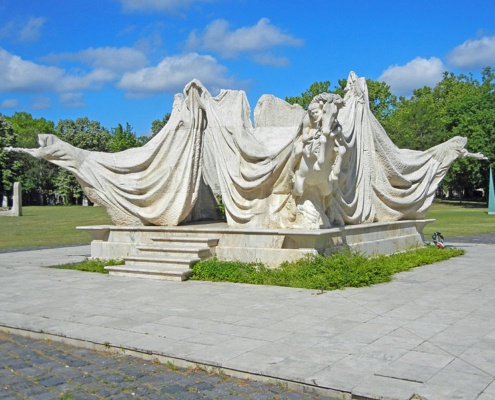
Kerepesi Cemetery, one of Budapest’s oldest cemeteries. It is not only a resting place for the departed but also a stunning open-air museum showcasing Hungary’s rich cultural heritage. Established in 1849, it is the final resting place of many of Hungary’s most revered figures, including renowned poets, writers, and politicians. Notable burials include Sándor Petőfi, a national poet, and Lajos Kossuth, the country’s famous revolutionary leader. The cemetery’s beautiful monuments and serene paths invite visitors to explore the lives and legacies of those who shaped Hungary’s history. You can rent bicycles to discover it on the bike.

Farkasréti Cemetery

Farkasréti Cemetery, Budapest’s largest public cemetery, has become a prestigious resting place, rivaling Kerepesi Cemetery. Established in 1894, it now serves as a renowned burial ground for many prominent figures, with its artist’s section housing the likes of composer Béla Bartók, Zoltán Kodály, and pianist Annie Fischer.

One of the cemetery’s most notable features is the Garden of Angels. It is a luxurious section offering breathtaking views of Buda and Pest. Families are willing to pay rental fees of up to 5-6 million HUF for this stunning perspective, and it’s not uncommon for relatives to spend over 10 million HUF on a family mausoleum in larger cemeteries. However, it is becoming increasingly difficult for families to extend leases on average graves, highlighting the rising costs associated with these final resting places.

Farkasréti is not just a cemetery; it’s a place where the past and the present converge, honoring the memory of influential Hungarians, including artists like János Csonka, Donát Bánki, and Oszkár Asbóth, as well as renowned composers.

Új Köztemető (New Public Cemetery)

The New Public Cemetery, opened in 1886, is one of the largest in Budapest and houses approximately 1.5 million graves. It became a significant burial site due to overcrowding at Kerepesi Cemetery and has witnessed countless ceremonies and memorials over the years. Among the notable figures interred here are Gyula Krúdy, a prominent writer, and Kálmán Kandó, an influential electrical engineer.

One of the cemetery’s most significant sections is the 301 Parcel, a poignant memorial dedicated to those who were executed during the politically charged climate following World War II. This parcel is particularly notable for being the final resting place of Imre Nagy, Hungary’s former Prime Minister and a key figure in the 1956 Revolution. Nagy was executed in 1958 for his role in the uprising against Soviet oppression, and his remains were secretly buried.

After the fall of communism, he was reburied in the 301 Parcel in 1989, symbolizing a new chapter in Hungary’s struggle for freedom and democracy. The 301 Parcel has become a site of remembrance, especially during commemorative events, highlighting the ongoing struggles for freedom and justice.
 

Kozma Cemetary - All Soul's Day in Budapest

Kozma Street Jewish Cemetery

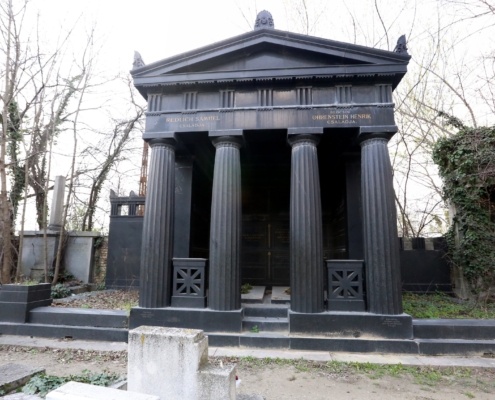
Kozma Street Jewish Cemetery, located in Budapest’s 10th district, is Hungary’s largest Jewish cemetery, serving as the final resting place for approximately 300,000 individuals. The cemetery is marked by a striking Moorish-style mortuary built in 1891, creating a grand entrance.

Among the notable figures buried here are Simon Ben David Oppenheimer, the leader of the rabbinical council who lived to be 100 years old, and Chief Rabbi Samuel Kohn. The cemetery is also the final resting place for members of the Jewish elite from the 19th and 20th centuries, including Hungary’s first Olympic champion, swimmer Alfréd Hajós.

The family crypts within the cemetery are architectural masterpieces, often adorned with exquisite Zsolnay tiles and intricate mosaics. While many graves may appear overgrown with vegetation, this is not necessarily a sign of neglect; in Jewish tradition, the presence of plants symbolizes respect for the deceased.


Tips for Visiting Cemeteries During All Souls’ Day in Budapest

  • Plan Your Visit: Cemeteries can get crowded during this time, so consider visiting early in the day to experience the tranquility.
  • Respect the Atmosphere: While it’s a time of remembrance, maintain a respectful demeanor as you explore. Keep noise to a minimum and be mindful of those honoring their loved ones.
  • Take Photos Thoughtfully: Capture the beauty of the cemeteries, but be respectful of personal moments taking place around you.
  • Visiting Hours: From October 28 to November 2, the cemetery is open from 7:00 AM to 8:00 PM. Starting November 3, the regular hours will resume 7:30 AM to 5:00 PM.


Budapest’s cemeteries offer a unique blend of history, art, and personal stories, making them significant places to visit during All Soul’s’ Days. As you explore these hallowed grounds, you’ll not only pay homage to the past but also gain a deeper understanding of Hungarian culture and traditions. Whether you’re lighting a candle, sharing a memory, or simply reflecting, these cemeteries are a poignant reminder of the lives that have shaped this vibrant city.

Join our daily Free Budapest Walking Tours to learn about Budapest’s main landscapes and Hungarian history and people. 
Discovering the 1956 Memorials in Budapest: A Journey Through History

Budapest is a city where the past and present coexist in harmony. As you walk through its streets, you’re constantly reminded of Hungary’s turbulent 20th century, with no memory more powerful than the 1956 Hungarian Revolution. Whether you’re visiting from abroad, living in Hungary, or connected to Hungarian heritage, these memorials offer a poignant glimpse into the nation’s courageous fight for freedom. Let’s take a journey through Budapest’s most significant 1956 memorials, where history is etched into every corner. 

Besides the exciting happenings and memorials in Budapest about the revolution, it is important to know that because of these historical events 23rd of October is a bank holiday in Hungary so you have to calculate some special opening times for the shops and museums. For more details ask your guide on our walking tours.

Our Favorite Memorials in Budapest about the Revolution:


Kossuth Square and the Hungarian Parliament

Next to the iconic Hungarian Parliament, Kossuth Square is a site steeped in history. On October 25, 1956, peaceful protests here ended in tragedy, marking one of the revolution’s darkest days, known as “Bloody Thursday.”

In Memoriam 25 October 1956 Memorial and Exhibition

  • Hours: 10:00 AM – 6:00 PM. Free entry.
  • Tip: Explore the entire square early in the morning to beat the crowds. The Parliament building itself is a Neogothic Revival masterpiece, perfect for photos.

Bronze Bullet Holes on the Former Agriculture Ministry: Tiny bronze markers on the ministry’s facade represent the bullets fired on that fateful day.

Water Basin Outside Parliament: At the basin’s edge, you’ll find an inscription from the New Testament: “We are persecuted, but not forsaken; struck down, but not destroyed.”


Corvin-1956-Memorials in Budapest

Corvin Passage – The Heart of the Uprising

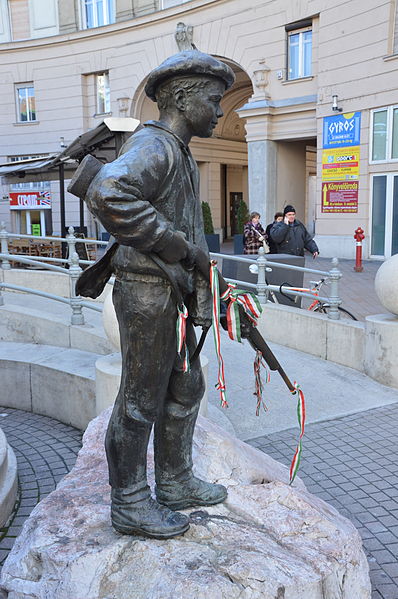
Corvin Passage (Corvin köz) is a symbol of resistance. It was here that the “Pesti srácok” (Boys of Pest) bravely fought against the Soviet forces, paying the ultimate price for freedom. A statue, unveiled in 1996, stands proudly outside Corvin Cinema, honoring these young heroes.

  • Tip: Reflect on the courage of those who fought here and the immense cost of Hungary’s independence.

The Imre Nagy Memorial

Imre Nagy, the reformist prime minister, is immortalized in a statue at Jászai Mari Square. In it, he gazes toward Parliament, symbolizing his vision for Hungary’s future. Nagy’s attempts to withdraw Hungary from the Warsaw Pact ultimately cost him his life.

  • For Hungarian descendants: This memorial is a powerful way to connect with your heritage and the values of independence and democracy that many fought for.

The 1956 Memorial on Bem Square

On the Buda side, Bem Square was the starting point of one of the revolution’s largest demonstrations. A sleek monument with a symbolic crack now honors the thousands who gathered here in solidarity on October 23, 1956.

  • Tip: After visiting, take a peaceful walk to nearby Margaret Bridge for some quiet reflection.


memorials in Budapest House of Terror

The House of Terror Museum

This museum, once the headquarters of both Nazi and Soviet secret police, offers a chilling insight into Hungary’s struggles under both regimes. Multimedia exhibits and basement prison cells provide an immersive experience of life under oppression.

  • What locals say: Even for those familiar with Hungary’s history, a visit to the House of Terror is deeply emotional. On October 23, admission is free, and visitors can light candles at the Heroes’ Wall to honor those who fought for freedom.

The Péter Mansfeld Memorial

The tragic story of Péter Mansfeld, one of the youngest martyrs of the 1956 Revolution, holds a special place in Hungary’s history. At only 15, he became involved in the fight for freedom and was arrested. Due to his young age, he was executed just days after turning 18 in 1959. The Péter Mansfeld Memorial in Buda is a simple yet powerful relief depicting him in youthful motion, symbolizing the stolen potential of those who fought for Hungary’s freedom.

  • Reflection: For locals and Hungarians abroad, Mansfeld’s story is a deeply personal reminder of how young lives were cut short by the repressive regime. His memorial reminds us of the enduring spirit of Hungary’s youth during the revolution.

The Tóth Ilona Memorial Bust at Semmelweis University

Tóth Ilona, a medical student and freedom fighter, was executed at just 24 after a fabricated trial by the Kádár regime. Her bronze bust at Semmelweis University stands as a tribute to her courage and the repression faced by intellectuals during the revolution.

  • Tip: Visiting the university offers a powerful connection to both Hungary’s history of resistance and the personal sacrifice of one of its brightest students.

Memorials in Budapest for Children Victims at Döbrentei Tér Playground

Integrated into a playground near the Elisabeth Bridge, this memorial is dedicated to the child victims of the revolution. Featuring small shoes and toys, it serves as a poignant reminder that even the youngest were not spared from the violence.

  • Family-friendly tip: This is a unique and reflective stop for those traveling with children, blending history with the present in a way that’s accessible to all ages.


Central Memorial of the 1956 Uprising in City Park

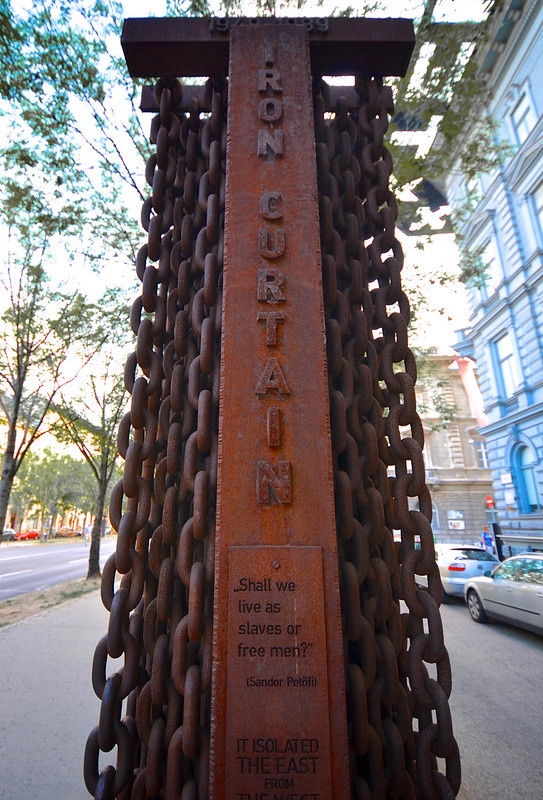
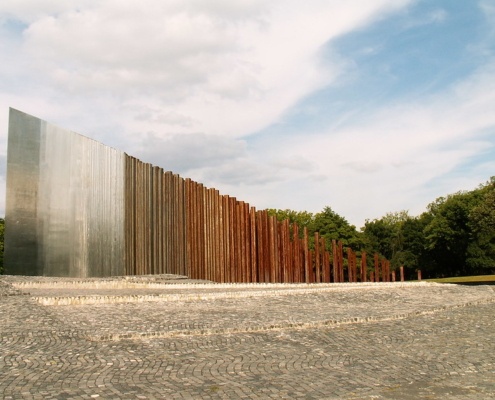
Rising from the ground, rusted iron pillars invite visitors to step into the heart of the memorial. The pillars represent unity, merging into a solid steel wedge that slices through the square, symbolizing the revolution’s strength in toppling the Stalinist regime.

  • Tip: After visiting, explore City Park and nearby attractions like Heroes’ Square and Széchenyi Baths to round out your day.

Plot 301 in Új Köztemető Cemetery

In Budapest’s largest cemetery, Parcels 300 and 301 are the final resting places of those executed after the 1956 revolution, buried in secrecy during the Kádár regime. Today, these parcels have been transformed into a memorial site, with identical headstones marking the graves of the executed.


The story of 1956 is not just about the past, but also a reminder of the resilience of the human spirit, the power of unity, and the enduring fight for justice. These memorials in Budapest are more than tributes to the fallen—they’re living history, inviting us all to remember, reflect, and carry forward the ideals they fought for.

Join our daily Free Budapest Walking Tours to discover more about the city and its heroes.

A Cozy Guide to the Best Thermal Baths in Budapest for a Chilly October Day

As autumn settles into Budapest, the city’s charm takes on a new warmth. The crisp October air adds a cozy allure, making it the perfect time to experience one of the city’s most beloved traditions: the thermal baths in Budapest. It is known as the “City of Spas,” and is home to a rich thermal bath culture, where locals and visitors alike soak in the healing waters of historic baths that have been cherished for centuries.

Whether you’re seeking relaxation, health benefits, or simply an escape from the chilly autumn weather, the thermal baths of Budapest offer the perfect sanctuary. In this guide, we’ll explore the best thermal baths to visit during a cool October day, where you can relax, recharge, and soak in the magic of these historic spas.


Széchenyi Thermal Bath: The Grand Experience

As one of Europe’s largest and most iconic thermal baths, Széchenyi is a must-visit during the autumn months. Nestled in City Park, its neo-Baroque architecture creates a grand backdrop for an unforgettable bathing experience. The outdoor pools, enveloped in steam rising from the warm thermal water, make for a magical setting as you float under the open sky.

  • Perfect for October: With 15 indoor pools and three grand outdoor pools, you can transition seamlessly between cozy, indoor soaking and refreshing outdoor swims surrounded by crisp air. Watching the steam rise against the backdrop of the city’s beautiful autumn colors is a true highlight.
  • Bonus: Locals are often seen playing chess while enjoying the thermal waters—a unique and charming tradition worth observing!


Gellért Thermal Bath: A Historic and Elegant Retreat

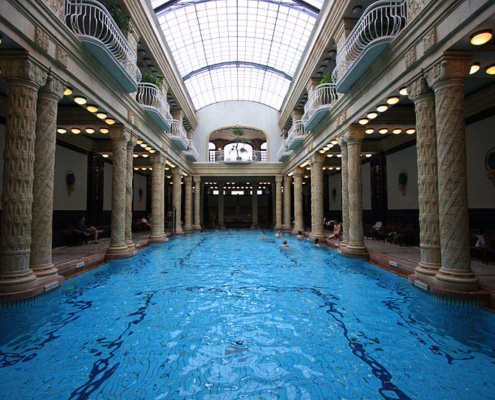
Located within the Gellért Hotel, which is currently closed for total restoration, this bath is renowned for its Art Nouveau architecture, offering visitors an elegant and aesthetically stunning environment. Gellért Bath is perfect for those who want to combine historical beauty with relaxation.

  • Why it’s ideal in October: The indoor pools are housed in gorgeously tiled chambers, providing a perfect sanctuary from the cool weather. The warm waters soothe sore muscles, while the calming, ornate setting adds to the feeling of true indulgence.
  • Must-try experience: The effervescent bath with its gentle bubbles will leave you feeling rejuvenated and ready to explore the rest of Budapest.


Rudas Thermal Bath: Tradition Meets Modern Comfort

For those seeking a more authentic Turkish bath experience, Rudas Baths are the perfect destination. Originally built in the 16th century, these baths offer a blend of historical Turkish features alongside modern comforts.

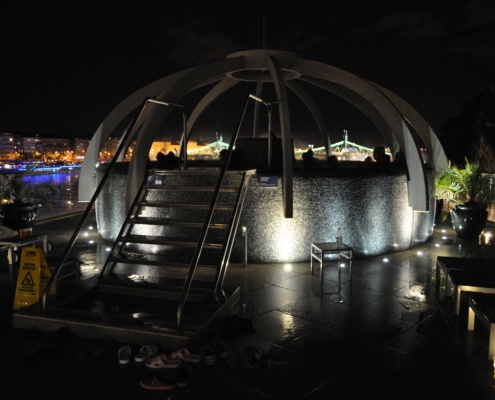
  • October Highlight: The rooftop pool offers a breathtaking panoramic view of Budapest’s skyline, especially as the city glows in the warm, golden hues of autumn. Imagine relaxing in a warm pool while the cool breeze and cityscape stretch out before you—truly an unforgettable experience.
  • Night bathing: A unique feature of Rudas is its night bathing experience on weekends, allowing you to relax under the stars in an ancient setting.


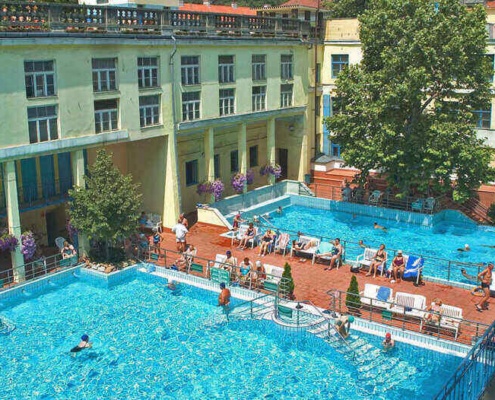
The building and some of the pools of the Lukacs thermal bath in Budapest

Lukács Thermal Bath: A Local Favorite with Healing Waters

Less frequented by tourists but cherished by locals, Lukács Baths offers a more laid-back atmosphere, perfect for those seeking a genuine, restorative experience. The thermal waters here are renowned for their medicinal properties, making it an excellent choice for those in need of healing and relaxation.

  • Why visit in October: While the outdoor pools are great for swimming year-round, the warm outdoor slow river pool and the therapeutic indoor pools are perfect for escaping the autumn chill.
  • Local tip: Recently restored, this thermal bath is still mostly a hidden gem reserved for Budapest locals.


Health Benefits of Budapest’s Thermal Baths

Beyond the relaxation and historical ambiance, Budapest’s thermal baths offer significant health benefits, especially for the older generation. The mineral-rich waters are known to reduce inflammation, relieve muscle tension, and improve overall wellness. Regular visits to thermal baths can help manage joint and muscle pain, reduce stress and anxiety, improve sleep quality, and enhance mobility.

Reducing Inflammation and Muscle Tension

The warm thermal water helps relax muscles and alleviate inflammation, which can contribute to a more active and pain-free lifestyle.

Managing Stress and Anxiety

The calming environment of the baths, coupled with the soothing effect of hot water, makes them an ideal remedy for stress and anxiety—common issues as we head into the colder months.

Better Sleep

Regular thermal bathing has been shown to improve sleep quality by preparing the body for restful sleep. This is crucial for maintaining energy levels and boosting the immune system.

The Best Cure for a Hangover:

If you’ve been partying all night in Budapest and are feeling tipsy or exhausted, the very best remedy is to visit a thermal bath. Start by sinking into the hot tub, letting the warm waters work their magic on your tired body. After some time, take a refreshing shower, dry off, and indulge in a relaxing sauna session. Once you’ve warmed up, take another cold shower to invigorate yourself, then pamper yourself in your towel and relax on the benches. You will emerge feeling totally refreshed and rejuvenated! This method is tried and tested by your Free Budapest Tour Guides, so we guarantee total relaxation. Join our daily Free Budapest Walking Tours to learn more about Budapest, the City of Spas.

Culinary Adventures in Budapest: Unique Hungarian Dishes

Welcome to Budapest, a city where every meal tells a story and every flavor invites you to explore! The culinary scene here is as vibrant and diverse as the city itself, reflecting its rich history and multicultural influences. Whether you’re a foodie seeking traditional delights or an adventurous eater looking for global cuisine, Budapest has something for everyone.

One of the defining features of Hungarian cuisine is the prominent role of soups. If a hot soup doesn’t precede the main course at lunchtime, most Hungarians feel something is missing. This tradition is evident in many famous Hungarian dishes, such as fisherman’s soup, goulash, chicken soup, and various tarragon soups.

In addition to soups, Hungarian desserts are equally renowned, including bejgli, chimney cake, cocoa rolls, bird’s milk, pancakes, strudel, somlói galuska, and plum dumplings. Among the main courses, stuffed cabbage, lángos, blood sausage (kolbász), breaded meat and cheese, and nokedli are considered quintessentially Hungarian.

Hungarian gastronomy is also notable for its beverage culture—Hungarian wines, especially Tokaji Aszú, are celebrated worldwide, alongside a variety of potent fruit brandies crafted from local fruits.

While Hungarian dishes can be relatively rich, they also incorporate a variety of vegetables. The extensive use of cottage cheese, poppy seeds, and paprika often surprises visitors. For a foreign palate, the combination of goulash soup, blood sausage, and cottage cheese strudel can be overwhelming. To truly enjoy the experience, it’s advisable to try just one new dish at a time during your meals.

If you’re feeling adventurous, dive into these unique Hungarian dishes that may not be easily understood at first glance.


A Soup for the Hot Summer Days

Fruit Soup ( Gyumölcs leves)
A sweet soup that often serves as a dessert or a unique appetizer in Hungary. Its vibrant flavors and unexpected sweetness can be a delightful surprise for newcomers.


Mákos tészta - Hungarian Dishes

Hungarian Dishes: The Shocking Main Courses

Tripe Stew (Pacalpörkölt)
This dish is made from the stomach lining of cows or sheep and is widely regarded as a remedy for hangovers, much like our grandmother’s chicken soup. While some may find it unappetizing due to its origins, many locals swear by its comforting qualities.

Lungs with Bread Dumplings (Szalontüdő)
Also known as sour lung, this dish is prepared from the heart and lungs of pigs, though it can also be made from beef or lamb. Foreigners are often put off not only by the ingredients but also by its grayish color and unusual texture. Similar to tripe, you either love it or want nothing to do with it. For a quirky touch, consider watching the 7-minute Hungarian film titled Szalontüdő.

Onion Blood Sausage (Hagymás vér)
Traditionally enjoyed during pig slaughters, this dish reinforces the notion of being in Dracula’s homeland. While blood is not commonly consumed in many cultures, this dish has a devoted following among locals.

Blood Sausage ( Véres hurka)
Made from a mixture of animal organs and blood combined with grains or bread, blood sausages may seem strange to outsiders. It’s an acquired taste, and if guests enjoy it, it might be wise to keep the preparation details under wraps!

Meat Jelly (Kocsonya)
This gelatinous dish, made from pig’s feet and head, is rich in collagen and offers a unique texture that can be both intriguing and polarizing.

Sweet Pasta with Poppy Seeds (Mákos Tészta)
A delightful dish featuring sweet pasta tossed with poppy seeds and lots of sugar. This dish, originating from the 16th century, is a peasant food that can be prepared in just half an hour with four simple ingredients. One thing is for sure: it’s not recommended for Olympians to consume this delicacy before a competition due to doping tests, and it’s not a typical date food.

Sweet Cabbage Pasta (Káposztás Tészta)
This dish offers a sweet and savory balance, combining tender cabbage with a hint of sugar for a unique flavor experience.


Hungarian Dishes: The Everyday Desserts

Bird’s Milk (Madártej)
A light, fluffy dessert made from meringue and custard, offering a delicate sweetness that is simply irresistible.

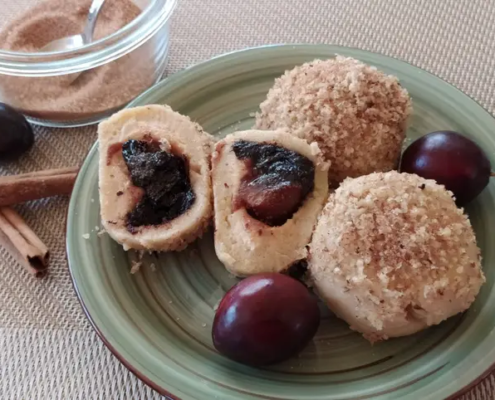
Plum Dumplings
Sweet dumplings filled with juicy plums, often dusted with sugar or breadcrumbs, making for a comforting dessert.

Túró Rudi (Cottage Cheese Chocolate Bar)
This beloved Hungarian treat combines sweet chocolate with tart cottage cheese, a pairing that may surprise anyone outside Hungary. You can find it in the frozen section of any supermarket, usually among the dairy products.

Hungarian Dishes and Drinks for a True Eastern European Party 

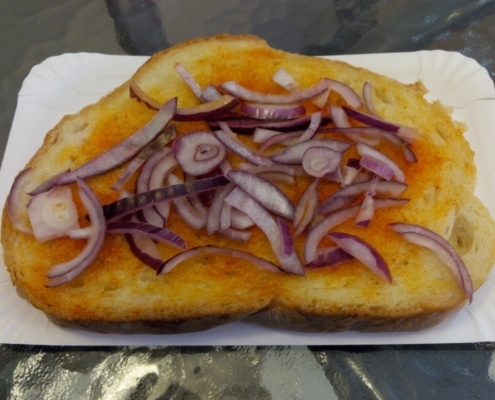
Zsíros Kenyér (Lard on Bread)
A popular snack or party food, this dish consists of bread spread with lard and sprinkled with paprika, offering a rich and savory experience.

Boroskóla (Red Wine with Cola)
Red wine with cola, often referred to as “kalimotxo,” in Spain is a refreshing concoction that combines the bold notes of semi-sweet red wine with the sweet, fizzy effervescence of cola.


As you embark on your gastronomic journey through Budapest, remember: the most memorable meals often come with a side of courage and a hearty sense of humor. Whether you’re sipping on fruit soup like a true local or trying to figure out why on Earth cabbage and pasta are friends, embrace the experience with an open mind and a willing palate.

 Don’t forget to join our daily Free Budapest Walking Tours to learn more about Hungarian gastronomy and discover the restaurants your tour guides love to eat at! If you want to join a food tour, check out our friend’s Grandma’s Food Tour.

Fascinating Facts About Budapest for Data Lovers: A Traveler’s Guide

If you’re a data enthusiast with a love for travel, Budapest is the perfect destination for you! This city offers not only beautiful landmarks and history but also a treasure trove of statistics and quirky facts that will satisfy your curiosity. Whether you’re visiting for the stunning architecture or the thermal baths, there’s a lot to learn about Hungary’s capital. Let’s dive into some interesting facts about Budapest that might just make your trip even more fun!

Comparing Budapest with Other Capitals in Central Europe

Budapest, with a population of 1.7 million and covering 525 km², stands out in Central Europe. But how does it compare to its neighbors?

  • Vienna, Austria’s capital and largest city has a slightly higher population of 1.8 million but occupies a smaller area of 414.65 km². So, while Vienna is slightly more densely populated, Budapest spreads out a bit more, giving it a different city feel.
  • Prague, the capital of the Czech Republic, covers 496 km² and is home to around 1.24 million people. Budapest has a larger population and area than Prague, but both cities share rich histories and are popular with tourists for their stunning architecture and river views.
  • Bratislava, the capital of Slovakia, is smaller in every respect, covering just 367.6 km² with a population of 442,000. This makes Bratislava feel more like a compact, charming capital compared to the sprawling urban presence of Budapest.

When Was Budapest Born?

Budapest as we know it today was officially founded in 1873, when the cities of Buda, Pest, and Óbuda were unified. You can still feel the distinct vibes of these areas, with Buda offering hills with huge parks, and Pest boasting lively boulevards and nightlife.


How Many Districts Are There?

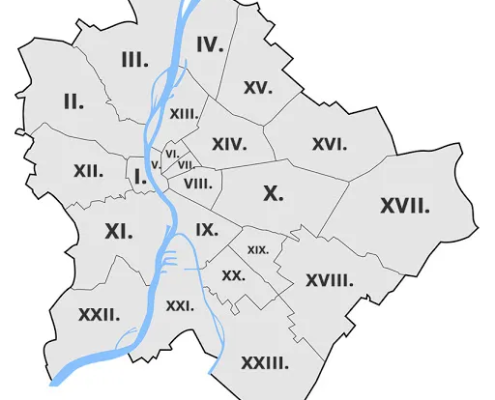
The city is divided into 23 districts, each with its own charm and personality. For instance:

  • District XVII (Rákosmente) is the largest in terms of area.
  • District VII (Erzsébetváros) is the smallest, but don’t let its size fool you—this district is packed with ruin bars and cool spots to hang out! Here, you’ll find the famous Jewish District, home to the largest synagogue in Europe, along with the most creative street art murals and other urban art.
  • District XI (Újbuda) has the highest population, offering a blend of modern life with green spaces and trendy cafés. Competing with Berlin’s Neukölln and Copenhagen’s Vesterbro, Újbuda stands out for its cultural diversity, strong community, and dynamic culinary scene on the Buda side of the city. Just cross the green Liberty Bridge from Pest to Buda and start walking along Bartók Béla Boulevard all the way to Móricz Zsigmond körtér.

The Highest and Lowest Points

Love hiking or admiring views from above? The highest point in Budapest is János Hill, which stands at 527 meters. Take a ride on the Libegő (Chairlift) for a scenic view of the city. On the other hand, the lowest point is the surface of the Danube River, just 96 meters above sea level.

Budapest’s Bridges

Budapest is split by the Danube, and it’s connected by 11 bridges. Some of the most famous include:

  • Chain Bridge (Széchenyi Lánchíd): The first permanent bridge connecting Buda and Pest. When you visit Budapest, you’re very likely to cross it on foot from Pest to Buda or vice versa while walking up Buda Castle Hill or visiting the Shoes on the Danube Memorial.
  • Liberty Bridge (Szabadság híd): Known for its green color, this bridge is a favorite spot for locals to sit and enjoy the sunset. Here, you’ll find love padlocks and a Kolodko mini statue of Franz Joseph lying in a hammock. It’s also common to cross this bridge on foot to reach the Great Market Hall from the Buda side or to visit Gellért Hill and the Citadel.


Tram 2: The Most Scenic Ride

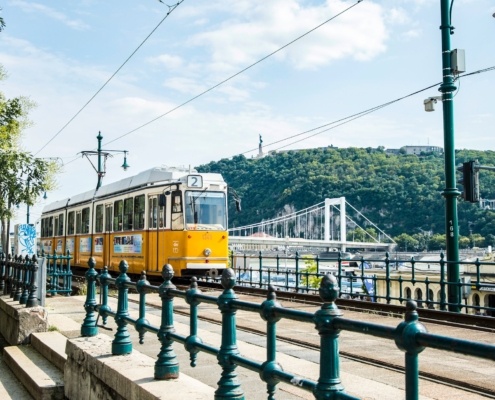
If you’re into data and love sightseeing, hop on Tram 2, often touted as one of the most beautiful tram rides in the world! This line runs along the river, offering views of iconic landmarks like the Parliament Building and Buda Castle. Just make sure you buy your tickets and validate them on board. If you wish to travel back and forth on the tram, you need to validate another ticket to avoid paying a fine. It’s no wonder that this line has the most ticket inspectors.

Public Transportation by the Numbers

Budapest’s public transportation network is vast and efficient. Every day, 2,300 vehicles are in operation, serving the city’s 4,631 stops, where passengers board approximately 3.3 million times. The iconic 4 and 6 trams, which run almost nonstop, are used 330,000 to 350,000 times on an average workday, making them some of the busiest tram lines in Europe. The city’s fleet includes:

  • 1,200 buses
  • 110 trolleybuses
  • 320 trams
  • 75 metro trains
  • 2,260 public city bicycles, for those who want to explore the city on two wheels!


Tallest and Oldest Buildings

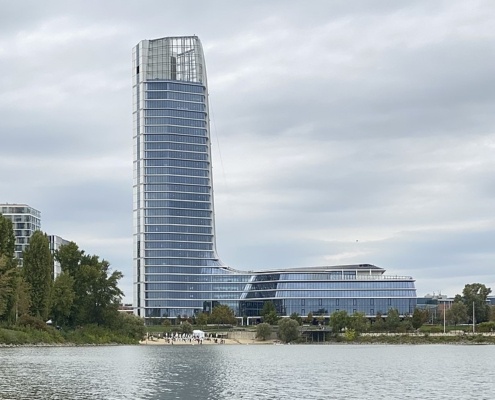
Budapest’s skyline is evolving with the addition of the MOL Campus, which, at 120 meters (143 meters including the spire), is now the tallest building in the city. In contrast, if you love ancient architecture, check out the Vörös Sün House, located on Buda Castle Hill just opposite the Budapest Hilton Hotel. This building dates back to around 1260 and is one of the oldest structures still standing in the city.

The Biggest and Narrowest

You’ll find contrasts all over Budapest, but none as stark as the “Faluház” in Flórián Square (District III), a massive 885-apartment building that houses about 3,000 people. For something on the opposite end of the spectrum, check out Hegedűs Köz  (District I), the city’s narrowest street located in the Tabán neighborhood—perfect for a quirky Instagram shot!

Longest Road: Üllői út

If you’re a road trip fan, you might enjoy knowing that Üllői út is Budapest’s longest road, stretching for 15 kilometers. This road connects the heart of Budapest to the city’s outskirts, giving you a chance to see how the landscape transitions from urban hustle to quiet suburbs.

Budapest: A City of Hot Springs

Budapest sits on a massive network of hot springs, which is why it’s known as the “City of Spas”. There are 123 thermal springs beneath the city, supplying 70 million liters of therapeutic water daily! The Széchenyi Thermal Bath is one of the largest spa complexes in Europe, and a visit here is a must for every traveler.

Underground Secrets: The Metro

Data lovers might be intrigued to know that the Budapest Metro is one of the oldest in the world! Line M1 (the “Millennium Underground”) was opened in 1896 and is now a UNESCO World Heritage site. It’s also one of the quirkiest metro systems, with its small, yellow trains zipping through shallow tunnels beneath the city.


The Ruin Bar Revolution

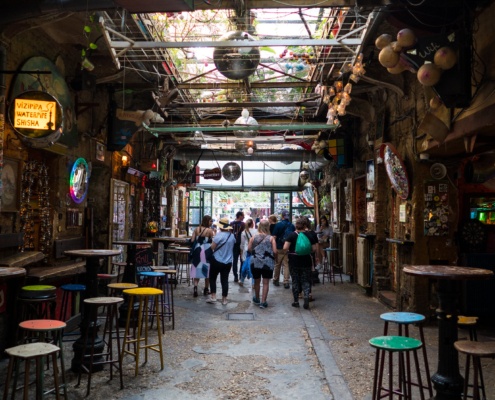
Budapest is famous for its ruin bars, and quirky drinking spots housed in abandoned buildings, courtyards, and factories. The most iconic one is Szimpla Kert in District VII. These eclectic spaces are decorated with mismatched furniture, and graffiti, and often have vintage finds and old data devices hanging around—perfect for the curious traveler!

Math and Magic at the Parliament

Here’s a fun numerical fact: Budapest’s Parliament Building is home to 691 rooms and is 96 meters high—symbolizing 896 AD, the year the Magyar tribes first settled in the region. Data lovers will appreciate the symmetry and historical nod in these figures!

Nobel Prize Winners Born in Budapest

Budapest is proud to be the birthplace of seven Nobel Prize winners, including Imre Kertész, Szentgyörgyi Albert, Békésy György, Gábor Dénes, Oláh György, and Harsányi János. Their contributions to literature, medicine, and science highlight the city’s rich intellectual legacy.

Join Our Daily Free Tours in Budapest!

Discover the heart and soul of Budapest through our daily Free Budapest Walking Tours! While the internet is a treasure trove of information, there’s nothing quite like experiencing the city through the eyes of local guides who were born and raised here. Our passionate guides share not just facts, but stories and insights about the past and present that you won’t find online.

Whether you’re intrigued by the rich history of Buda Castle, curious about the significance of the Ruin Bars, or eager to understand the cultural nuances of the city, our tours provide a unique opportunity to delve deeper into Budapest’s vibrant life. Join us to learn about hidden gems and local legends, and connect with the city on a personal level.