A Traveler’s Guide for Prices in Budapest in 2024

Budapest, long cherished for its affordability, has experienced notable price increases in recent years, influenced by some of the highest inflation rates in the Northern Hemisphere. While the city remains more budget-friendly than many major European capitals—and considerably less expensive than most U.S. cities—it’s no longer the hidden bargain it once was. That said, with a bit of planning and smart choices, you can still enjoy Budapest without overspending. Here’s what you need to know about prices in Budapest in 2024 for accommodation, food, transportation, and activities.

Accommodation Prices in Budapest 

Budapest caters to all budgets with a wide range of options:

  • Budget hotels: Starting at €60–€120 per night for two adults.
  • Mid-range hotels: Around €120–€250 per night.
  • Luxury stays: €250+ per night, including spa hotels and riverfront views.
  • Airbnbs: €70

Prices depend on the location, season, and amenities. Whether you’re looking for a boutique stay or a luxury experience, Budapest offers something for every type of traveler.
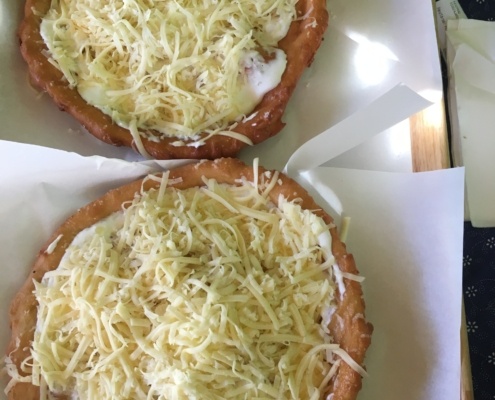
Food and Drinks Prices in Budapest

Hungarian cuisine is a treat for both the palate and the wallet:

  • Street food (e.g., lángos): ~€8-10
  • Daily lunch menus (Napi menü): ~€8-10 (offered weekdays in many restaurants).
  • Fine dining: From €80+ per person.
  • Coffee: ~€3
  • Pint of beer: ~€5

Supermarket Prices (approx.):

  • Milk (1L): ~€1
  • Loaf of fresh white bread: ~€3
  • Eggs (per egg): ~€0.30
  • Beer (bottle): ~€1.50
  • Cigarettes (pack): ~€4.50
  • Big Mac Meal (McDonald’s): ~€8
  • Water (1.5L): ~€0.50

Whether you’re indulging in fine dining or picking up groceries for a budget-friendly meal, Budapest offers a variety of options to suit your taste and budget. If you want to dive deeper into the culinary life of the city, check out our friend’s culinary tour.
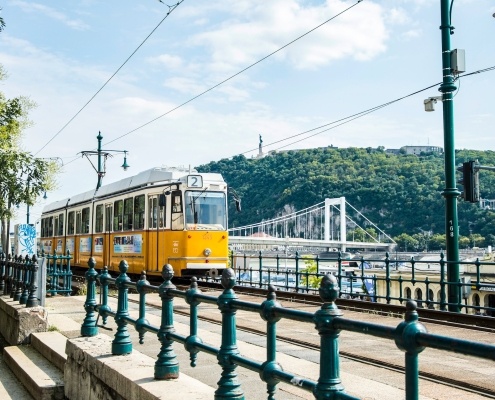
 

sightseeing public tram in Budapest - Budapest on a budget

sightseeing public tram in Budapest – Budapest on a budget

Transportation Prices in Budapest

Budapest’s public transportation system, operated by BKK (Budapest Közlekedési Központ, or Budapest Transport Center), makes getting around the city convenient and affordable. The network includes metro, trams, buses, trolleybuses, ferries, and suburban railway trains (HÉV). However, note that the Castle Funicular operates separately and requires a different ticket.

Public Transport Options:

  • Single ticket: ~€1.20
  • 24-hour travel pass: ~€6.50
  • 72-hour travel pass: ~€14
  • 24-hour group travel pass (for up to 5 people): ~€14

Airport Transfers:

  • Taxi: ~€30
  • Airport bus (Bus 100E): ~€5.50

Other Transport Options:

  • Cruiser bike rental (Zedbike): ~€24 per day
  • E-bike rental (Zedbike): ~€45 per day
  • Stroller rental (Zedbike): ~€22 per day
  • Castle Funicular return ticket: ~€13

With its extensive network and budget-friendly fares, Budapest’s transport system is an excellent way to explore the city!
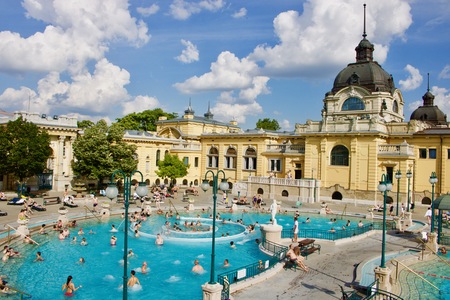
 

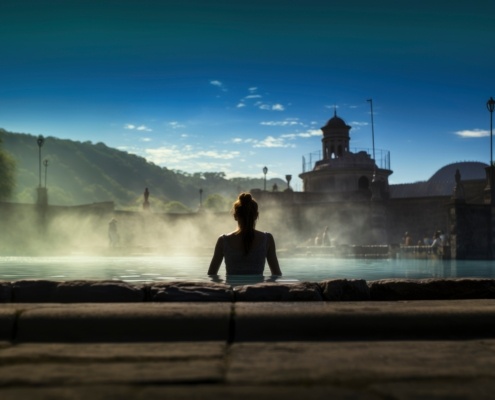
One of the many thermal pools of Budapest, the beautiful Széchenyi Bathhouse

Prices of Activities and Attractions in Budapest

Budapest offers a mix of historical landmarks, cultural experiences, and relaxing thermal baths to suit every traveler. Here’s a breakdown of typical costs for popular activities in 2024:

Thermal Baths

Relaxing in Budapest’s famous thermal baths is a must:

  • Széchenyi Bath: From ~€27
  • Gellért Bath: From ~€27
  • Lukács Bath: From ~€12
  • Rudas Turkish Bath: From ~€24

Iconic Landmarks

  • St. Stephen’s Basilica: €6–€18 (depending on access areas)
  • Matthias Church: ~€6.50
  • Fisherman’s Bastion: ~€3 (Free from 9 PM–7 AM)
  • Hungarian Parliament (45-minute guided tour):
    • EU Citizens: ~€16
    • EU Students: ~€8
    • Non-EU Citizens: ~€31.50
    • Non-EU Students: ~€16 (Reserve tickets online)


Museums and Cultural Sites

  • Dohány Street Grand Synagogue (with tour): ~€28
  • Hungarian National Museum (history): ~€9.50
  • Hungarian National Gallery (fine art): ~€11
  • House of Terror (Nazi and Communist history): ~€11
  • Hospital in the Rock (hospital and bunker): ~€20.50 (includes a tour)
  • Holocaust Memorial Center: ~€10
  • Memento Park (Socialist-Realist statues): ~€8
  • Ludwig Museum of Contemporary Art: ~€12
  • Museum of Fine Arts (international art): ~€13


Other Activities

  • Danube River Cruises: Starting at ~€15 (Legenda) 
  • Public Toilets: ~€1

Budapest’s blend of history, art, and relaxation means there’s something for everyone, whether you’re exploring castles, enjoying a spa day, or delving into the city’s rich cultural history.
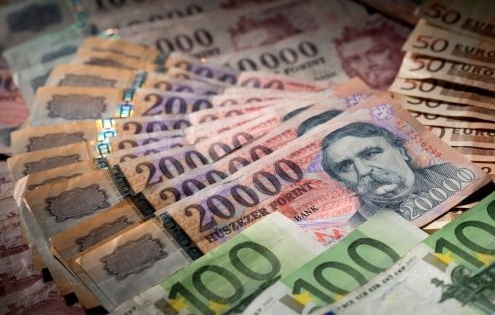
 

hungarian money guide

hungarian money – forint

Tips to Save Money in Budapest

Budapest offers incredible experiences for travelers on any budget. Here are some practical tips to help you save money during your visit:

Transportation

  • Use public transport: Skip taxis and make the most of Budapest’s efficient public transportation system, including metro, buses, and trams.
  • Buy travel passes:
    • 24-hour Budapest Travelcard: Great for unlimited travel within the city.
    • 24-hour Group Budapest Travelcard: Perfect for groups of up to 5 people traveling together. (Note: This is different from the Budapest Card.)
  • Try MOL Bubi bikes: Enjoy the first 30 minutes free after a small registration fee (~€2).
  • Walk when you can: Many top attractions, like Buda Castle and the Chain Bridge, are within easy walking distance. Join our daily free tours: Get personalized recommendations and discover hidden gems in Budapest!

Accommodation

  • Stay outside the city center: Districts VIII; XI and  XIII are budget-friendly and still well-connected to the city by public transport.

Food and Dining

  • Try local markets: Affordable and authentic meals can be found at markets like Rákóczi Market or Hunyadi Market.
  • Eat the lunch specials: Many restaurants offer “daily menus” (napi menü) with 2–3 courses for just €8-10
  • Avoid tourist traps: Restaurants near landmarks often have inflated prices. Explore less touristy neighborhoods for hidden gems.
  • Plan ahead for Christmas markets: Food and drinks are pricey at Christmas markets—don’t arrive on an empty stomach.

General Tips

  • Use local currency (HUF): Due to better exchange rates, paying in Hungarian forints is usually cheaper than euros.
  • Avoid touristy currency exchanges: Use ATMs or city center exchange offices with competitive rates.
  • Drink tap water: Budapest’s tap water is safe and free—carry a reusable water bottle.

For more useful tips from locals about the prices in Budapest or how to explore the city, join our daily free Budapest walking tours. We are led by professional local tour guides born and raised in Budapest, we offer fresh, up-to-date insights beyond what any guidebook can provide. Let us show you the best of Budapest!
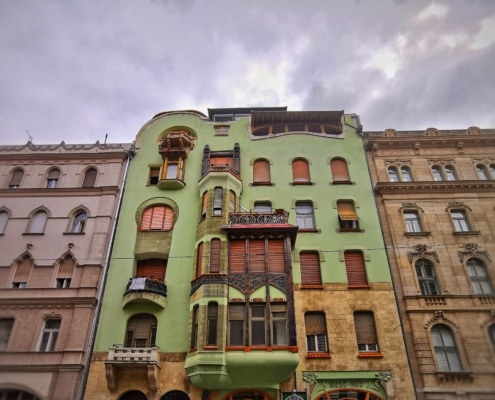
Exploring Art Nouveau in Budapest: A Journey Through Stunning Architecture

In Hungary, the term Secessio (Latin for “separation” or “withdrawal”) became synonymous with a movement in the late 19th century where artists, disillusioned by the lifeless imitation of historical styles, sought to create something fresh, organic, and original. This desire for newness sparked the birth of Art Nouveau, which found its boldest pioneers across Europe, from Antoni Gaudí in Barcelona to Charles Rennie Mackintosh in Glasgow. In Central Europe, architects drew inspiration from German Jugendstil, French Art Nouveau, and English Liberty styles while embracing Hungarian folk motifs.

The second half of the 19th century they have marked a period of immense transformation. Rapid technological advancements, industrialization, urbanization, and the growth of large cities all contributed to a burgeoning need for new public buildings. Train stations, market halls, hospitals, and museums were constructed in various ornate, decorative styles that captivated the public. While often disconnected from their actual function, these buildings were designed to make a statement through their stunning facades.

The appearance of Art Nouveau in Budapest was an organic process, which added dynamism and creativity to its architectural landscape. Today, these masterpieces are spread across the city, standing as proud symbols of Budapest’s rich artistic heritage.

This self-guided journey through the city will introduce you to some of the most stunning examples of Art Nouveau in Budapest. Follow the route and immerse yourself in the beauty of this unique architectural style!


Art Nouveau in Budapest-Bedő ház

 House of Hungarian Art Nouveau in Budapest (Bedő-ház)

5-minute walk from the Parliament
Address: Honvéd utca 3
Architect: Emil Vidor

Start your Art Nouveau journey at the Hungarian House of Art Nouveau, a charming museum and café dedicated to Hungarian Art Nouveau design. The building’s façade features an asymmetrical design, varied window shapes, and rich decorative elements that reflect Hungarian motifs created by the renowned Zsolnay factory. The museum showcases a fascinating collection of Art Nouveau furniture, decorative arts, and architectural models, offering insight into this artistic revolution. Sadly, the Bedő House has been closed since 2020, but Szabadság tér still has many remarkable Art Nouveau buildings for you to discover.


Art Nouveau in Budapest

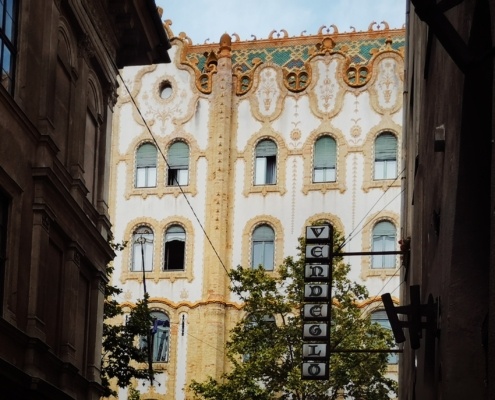
Former Royal Postal Savings Bank Building

Near the US Embassy
Address: Hold utca 4
Architect: Ödön Lechner

Next, head to the Former Royal Postal Savings Bank, designed by Ödön Lechner. While its structure is simple, the building’s intricately decorated façade and rooftop are anything but. Lechner worked with the Zsolnay factory to adorn the building with colorful ceramics that symbolize financial prudence. Look for motifs like bees climbing pilasters toward beehives, vibrant Hungarian folk flowers, and mythical creatures such as dragons and serpents that represent the volatility of money. Once a bank, the building now houses the Hungarian State Treasury, and although the narrow street limits your view of the rooftop, this Art Nouveau treasure is not to be missed.


Art Nouveau in Budapest-Gresham Palota

Gresham Palace

Opposite the Chain Bridge, now the Four Seasons Hotel
Address: Széchenyi István tér 5-6
Architects: Zsigmond Quittner and József Vágó

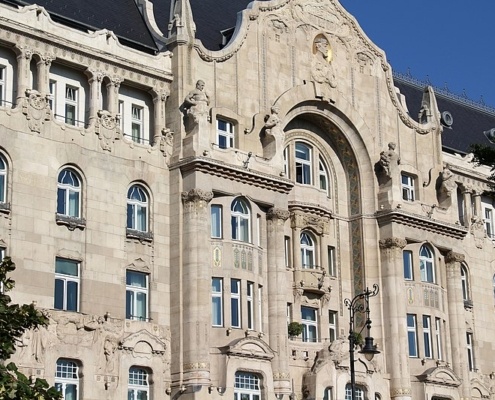
Gresham Palace is a grand Art Nouveau masterpiece, completed in 1906. Positioned directly opposite the Chain Bridge, it was originally built for an English insurance company. Today, it serves as the luxurious Four Seasons Hotel, where visitors can admire its Secession-style interiors on the ground floor. The building remains one of the most impressive examples of Art Nouveau in Europe, combining opulence with intricate craftsmanship.


Art Nouveau in Budapest-Törökbank

Turkish Bank House

8-minute walk from St. Stephen’s Basilica, near Váci utca
Address: Szervita tér 5
Architect: Lajta Béla

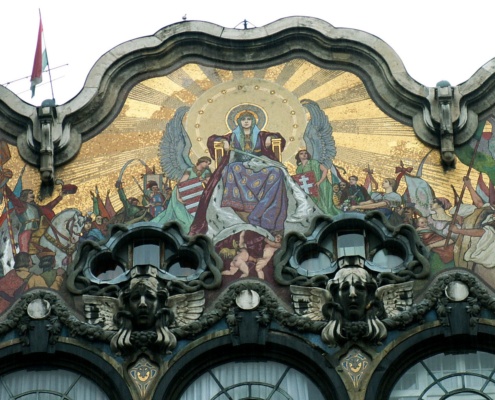
Don’t miss the stunning Turkish Bank House, a beautiful blend of Art Nouveau and national pride. The building features the captivating mosaic “Patrona Hungariae,” which portrays Hungary as a graceful woman surrounded by key historical figures. Designed by Lajta Béla, the structure showcases a mix of folk-inspired motifs and modern architectural materials. The Turkish Bank House stands as a tribute to Hungary’s rich cultural heritage and its architectural evolution.


Art Nouveau in Budapest-Thonet ház

Thonet House

Look up as you stroll down Váci utca!
Address: Váci utca 11
Architect: Ödön Lechner

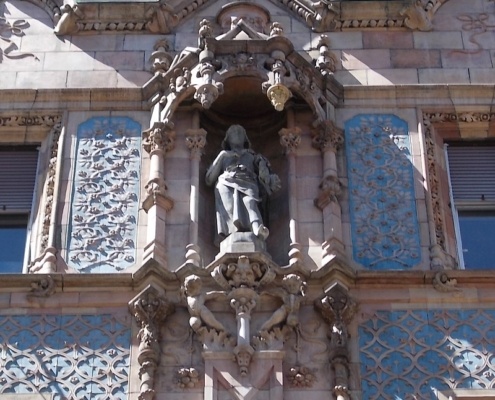
The Thonet House is one of Budapest’s hidden Art Nouveau gems. Designed by Ödön Lechner in 1889-1890 for the Thonet family, famous for their furniture, this building features a colorful majolica-tiled façade, a hallmark of Lechner’s work. The façade blends Gothic and Renaissance details with organic forms typical of Art Nouveau, creating a sense of fluidity and lightness. As you explore, you’ll spot decorative “T” motifs, a subtle nod to the Thonet brothers. The Thonet House perfectly captures the charm of late 19th-century Budapest, merging function with artistic flair.


Art Nouveau in Budapest

Paris Udvar Hotel (Párizsi Udvar)

Gothic and Moorish elements combined with Art Nouveau
Address: Ferenciek tere 10
Architect: Henrik Schmahl

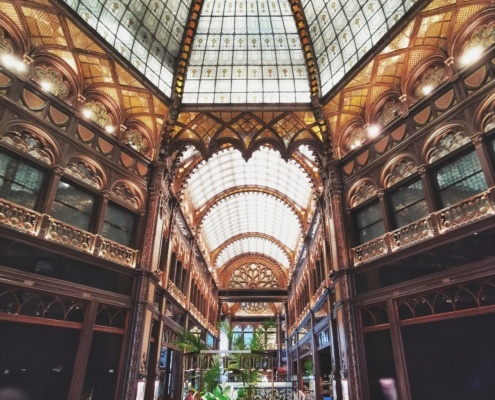
The Párizsi Udvar, completed in 1913, is a stunning fusion of Gothic, Moorish, and Art Nouveau styles. Located near the first Elizabeth Bridge, the building blends Venetian Moorish Byzantine flair with intricate craftsmanship. Recently restored, the building is now part of the Parisi Udvar Hotel, where visitors can marvel at its opulent arcade, complete with glass ceilings and lavish ceramic decorations. It’s an architectural wonder that offers a glimpse into Budapest’s eclectic beauty.


Art Nouveau in Budapest-Rumbach Synagogue

Rumbach Street Synagogue

15-minute walk from Paris Udvar Hotel, 2 minutes from the Dohány Street Grand Synagogue
Address: Rumbach Sebestyén utca 13
Architect: Otto Wagner

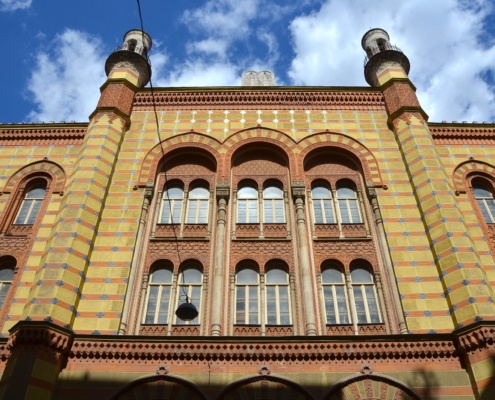
Designed by Otto Wagner, the Rumbach Street Synagogue is a must-see for anyone interested in Art Nouveau architecture. The building’s minaret-like towers and octagonal layout draw inspiration from both Spanish Alhambra and Jerusalem’s Dome of the Rock. It seamlessly blends Eastern and Western architectural influences, making it a significant piece of Budapest’s architectural heritage. If you want to discover the beautiful interior of this building, you can join a private Jewish District Tour.


Art Nouveau in Budapest-Kazinczy Synagogue

Kazinczy Street Synagogue

Located in the Jewish District, 8-minute walk from Dohány Street Grand Synagogue
Address: Kazinczy utca 29-31
Architect: Béla Lajta

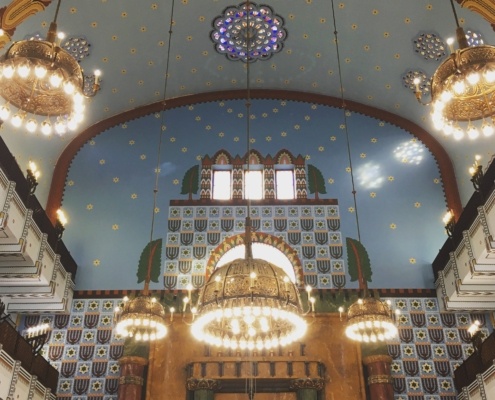
This hidden Art Nouveau gem is one of Budapest’s finest examples of architectural beauty. The synagogue’s interior features stunning stained glass windows, Transylvanian wood-carved motifs, and luxurious Zsolnay porcelain inlays. The exterior, with its Torah inscription and delicate leaf-patterned ornamentation, is understated yet elegant. It captures the essence of Budapest’s Art Nouveau charm, blending cultural significance with architectural brilliance.


Art Nouveau in Budapest

Museum of Applied Arts

Address: Üllői út 33-37
Architects: Ödön Lechner and Gyula Pártos

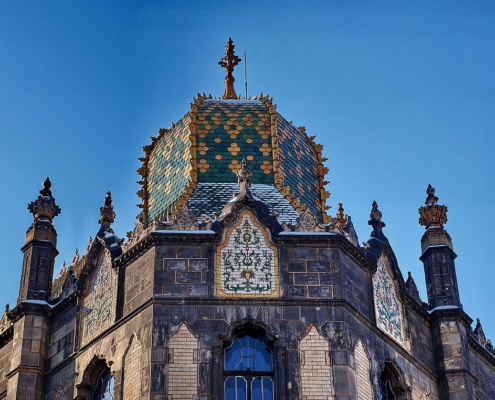
We had hoped to include the Museum of Applied Arts on this list, but for the past nine years, this iconic museum has been in a state of limbo due to financial constraints. Designed by Ödön Lechner, this masterpiece of Hungarian Art Nouveau has been closed, with its much-anticipated renovation halted mid-way. The stunning façade, featuring colorful Zsolnay tiles and intricate details, continues to capture the imagination of passersby, though the prolonged delays in its restoration raise concerns about preserving Hungary’s architectural heritage. Many hope that renewed funding will breathe new life into this exceptional piece of Budapest’s artistic legacy.


For More Art Nouveau in Budapest Join Our Daily Free Tours!

If you want to learn even more about Art Nouveau in Budapest, join our free walking tours! Our tours pass by several of these iconic structures, and you’ll have the chance to hear fascinating stories about the history and significance of this architectural style. Our knowledgeable guides will bring the beauty of Budapest’s Art Nouveau to life, and you’ll gain deeper insights into the city’s artistic heritage while exploring its charming streets. Whether you’re a traveler keen on architecture or an art lover, Budapest’s Art Nouveau gems offer a truly unique experience.

Top Tips for Enjoying the Christmas Markets of Budapest Safely and Fully!

If you plan to visit Budapest this winter, you’re in for a treat! The city transforms into a festive wonderland with two major Christmas markets—Advent Basilica on Szent István Square and Vörösmarty Classic Xmas on Vörösmarty Square. During your time in Budapest, here’s everything you need to know to make the most of these beloved holiday experiences and keep your visit safe and smooth. Whether you’re joining our free walking tours or exploring on your own, these tips will help you feel like a local at the markets!

Why Visit the Christmas Markets of Budapest?

Budapest’s Christmas markets are renowned for their warm, inviting atmosphere, traditional foods, artisanal crafts, and unique holiday experiences. You’ll find everything from hand-crafted gifts and holiday treats to live performances and dazzling lights.

Key Attractions at Budapest’s Christmas Markets

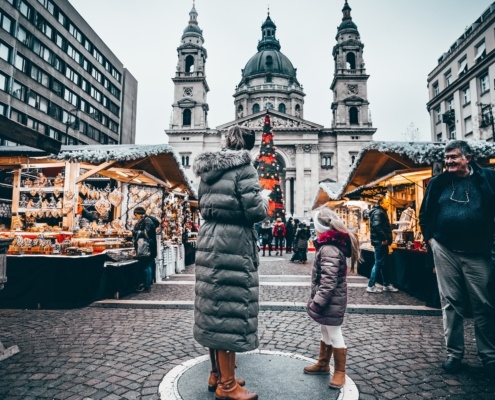
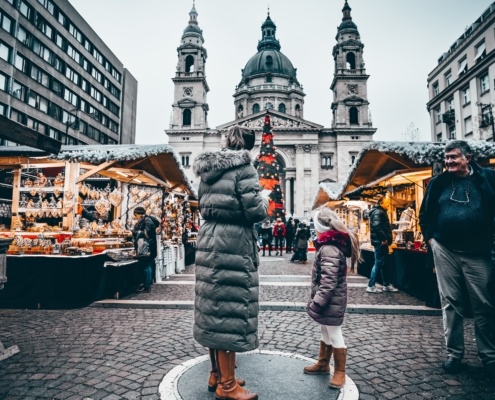
  • Advent Basilica on Szent István Square: Famous for its impressive 3D light show on the Basilica facade every evening at 5:30 p.m., and a massive 12-meter Christmas tree. This market has won Europe’s Best Christmas Market title four times, and it’s clear why—it’s filled with culture, charm, and authenticity.
  • Vörösmarty Classic Xmas on Vörösmarty Square: Here, you’ll enjoy an authentic Christmas experience with a grand Christmas tree, a free mini-train for kids, and live workshops where blacksmiths demonstrate their craft.

Both markets offer holiday spirit with music, performances, and local food that make you feel right at home in Budapest’s winter wonderland.

Top Tips for Navigating the Christmas Markets of Budapest Like a Local

  1. Know What You’re Buying and Tasting

  • Warm Foods: Look for food that’s hot and freshly prepared. Don’t accept hot food served cold or cold food that has been handled without utensils.
  • Mulled Wine: A staple at European Christmas markets, mulled wine is even better when you know its origin. Don’t hesitate to ask vendors about the type of wine they use, and ask for a sample before buying.
  • Fresh Baked Goods: Look for traditional treats like langos (fried dough), chimney cake (kürtős kalács), and flatbreads being freshly made. Seeing someone kneading dough is a great indicator of quality and freshness.
  1. Secure Your Valuables – Watch Out for Pickpockets

  • Although Budapest is one of the safest cities in Europe, Christmas markets can get crowded, and unfortunately, they sometimes attract pickpockets. Keep your bag, wallet, and valuables close at all times. Avoid placing your items down or leaving them unattended, even for a second.
  • Store valuables in the inner pockets of your coat rather than in the back pockets or the outer pockets of your bag.
  • When browsing stalls or handling cash, be discreet about where you store your money.
  1. Donate Thoughtfully and Responsibly

  • Many charitable organizations are present during the Christmas market season, and supporting local charities can be a wonderful part of your holiday experience. However, be aware that some individuals may take advantage of this generosity.
  • If someone approaches you for donations, ask them to verify their credentials. If you choose to give, do so privately—this prevents others from seeing where you store your money or how much you’re giving.
  1. Look Out for Authentic Products and Fair Pricing

  • Both markets showcase talented artisans and vendors selling traditional Hungarian gifts and festive foods. However, when buying items by weight—like candy, baked goods, or sausages—be mindful that the weight of packaging materials should not be included in the price.
  • For an authentic experience, watch for vendors preparing items in front of you, such as hand-rolled chimney cakes and fresh langos. If you want to discover the culinary life of Budapest, look for the customized private tours of Around Budapest.

Join Our Free Walking Tour for an In-Depth Market Experience!

To fully immerse yourself in Budapest’s Christmas magic, join our daily free walking tours. Our guides are experts in local culture and holiday traditions and will lead you to the best sights, hidden gems, and insider tips for exploring the Christmas markets.

Highlights of Our Walking Tour:

  • History and Holiday Stories: Learn about Budapest’s holiday traditions and the history behind each market location.
  • Hidden Gems: Discover unique stalls with authentic, hand-made Hungarian gifts that you might miss on your own.
  • Local Food Recommendations: Our guides know the best stalls for traditional foods like chimney cakes, langos, mulled wine, and more. You’ll get insider tips on what to try and where to find it.
  • Safety Tips: Our guides will offer safety tips, from handling valuables to identifying reputable donation stands, so you can enjoy the market experience with peace of mind.

Final Thoughts about the Christmas Markets of Budapest

Christmas markets of Budapest are among the most beautiful and authentic in Europe, offering a magical blend of tradition, community, and holiday cheer. Following these tips will help you navigate the markets confidently, enjoy each moment fully, and keep your visit safe.

We look forward to seeing you on our walking tour and hope you have a festive and memorable holiday season in Budapest!

All You Need to Know About Visiting Budapest in November

Planning a trip to Budapest in November? You’re in for a treat! November in Budapest offers the ideal blend of crisp autumn charm and early winter festivities. From relaxing thermal baths and scenic city views to unique November events and delicious Hungarian cuisine, Budapest is a magical destination to explore at this time of year. And with our daily Budapest walking tours, you can experience the best of the city with local guides who know all the hidden gems.

Here’s your complete guide to making the most of your Budapest trip in November—and why joining one of our free walking tours is the best way to see the city’s highlights!

Budapest in November, The Typical Weather: What to Expect and How to Pack

November Temperatures: In November, daytime temperatures in Budapest range between 5–10°C (41–50°F), with nighttime temperatures often dipping close to freezing.

What to Pack: To enjoy Budapest comfortably in November, dressing in layers is essential. Bring a warm coat, comfortable walking shoes, and accessories like a hat, scarf, and gloves to stay cozy on chilly days.

Join a Free Budapest Walking Tour: November’s cooler weather makes it a great month to join a free Budapest walking tour, allowing you to explore iconic landmarks without the heat of summer!

Széchenyi spa: Budapest summer weather tips

Top Attractions to Visit in Budapest This November

Thermal Baths:
Budapest’s thermal baths—such as Széchenyi, Lukács, and Gellért—are must-visit spots in November. The warm, mineral-rich waters provide the perfect escape from the chilly weather. Outdoors, you’ll find heated pools, jacuzzis, and even a lazy river. Swimming in the warm water as white mist rises around you is truly magical. Since it’s cold outside, be sure to bring dry towels and slippers for extra comfort!

Unique Museums
Add some unique museums to your itinerary for a deeper understanding of Hungary’s rich and complex history. Top spots include the Hospital in the Rock Nuclear Bunker Museum, the House of Terror, and Memento Park. While the Hungarian Parliament isn’t technically a museum, touring it allows you to see some of Hungary’s most prized treasures, such as St. Stephen’s Holy Crown. Also, consider visiting the Holocaust Memorial Center for a powerful and moving experience.

Danube River Cruise:
For a stunning view of Budapest, take an evening cruise on the Danube. Watching the Parliament building and Chain Bridge illuminated at night is an unforgettable experience.

Typical Events of Budapest  in November

Budapest Christmas Market:
Budapest’s Christmas markets are consistently ranked among Europe’s most beautiful Advent events. The most spectacular and famous market in the capital is held each year at the Basilica. With over 100 vendors, including unique jewelers, leather artisans, ceramic artists, and ornament makers, visitors can browse a wide variety of goods while enjoying excellent food and wine. Holiday concerts and light shows at St. Stephen’s Square have become cherished traditions.

The market at Vörösmarty Square is just as dazzling, with its light displays, concerts, handcrafted products, culinary delights, and festive atmosphere, rivaling the famous Christmas markets in Vienna and Prague. To top it all off, if you approach the market via Váci Street, you’ll see one of Budapest’s most extraordinary holiday light displays.

St. Martin’s Day (November 11):
St. Martin’s Day is celebrated with sumptuous feasts featuring roast goose and the season’s first wines. During the week of November 11th, restaurants and wine cellars across Budapest offer special menus and tastings in honor of the holiday. Tradition holds that anyone who skips the roast goose on St. Martin’s Day may face a year of bad luck—or at least an empty stomach!

Tip: November’s events give you a chance to experience Budapest’s unique traditions. For a deeper understanding of the city’s history and culture, consider joining one of our free Budapest walking tours!

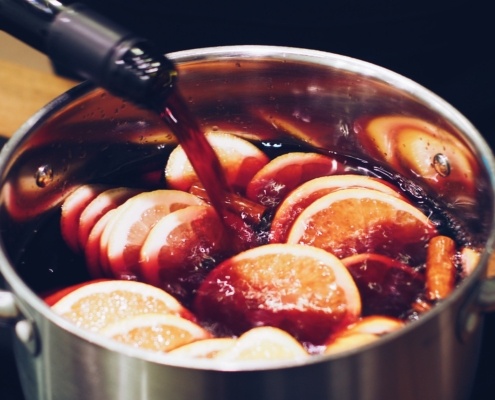
mulled wine in Budapest - pexels-jens-mahnke

Hungarian Food to Try in November (Beyond Goose!)

Hearty Hungarian Dishes:
November is the perfect time to enjoy Hungary’s hearty cuisine. We have perfect dishes for the chilly weather like goulash, lángos (fried bread with toppings), fishermen’s soup, and many different stews.  If you want to discover the real local hidden gems, join our favorite food tour, the Hungarian Grandma’s  Food Tour.

Traditional Wine:
Warm up with Hungarian wines like Tokaji and Egri Bikavér. Cozy wine bars in the city center or a wine-tasting event offer ideal spots to try them.

Sweet Treats:
Enjoy local pastries like rétes (strudel) and warm up with forralt bor, Hungary’s version of mulled wine—especially delicious at the Christmas markets. As the cold sneaks in, the roasted chestnut vendors start to pop up and of course, a fresh warm chimney cake is always a good option as well!


Top Practical Tips for Visiting Budapest in November

  • Explore Indoor Attractions: Take advantage of Budapest’s incredible indoor sites, such as the Hungarian National Museum, Dohany Street Grand Synagogue, and Matthias church interior on colder days.
  • Beat the Crowds: November is off-peak season in Budapest, meaning fewer tourists, shorter lines, and better prices on flights and accommodations.
  • Warm Up in Cafés: Budapest has a rich coffeehouse culture, with iconic spots like Café Gerbeaud and New York Café providing a cozy retreat and delicious pastries.
  • Discover Budapest with a Free Walking Tour: Want to see the city like a local? Our free Budapest walking tours will take you to famous landmarks and hidden gems, with guides who share captivating stories about Budapest’s history and culture.


Budapest in November is a charming blend of autumn’s final colors and the start of the festive season. From soaking in thermal baths to sipping mulled wine at one of Europe’s most enchanting Christmas markets, Budapest promises unforgettable experiences in November.

To make the most of your trip, join our daily free walking tours—your gateway to exploring Budapest’s top sights, cultural gems, and hidden corners with a knowledgeable local guide. There’s no better way to truly experience the magic of Budapest.

Ready to discover Budapest with us?