Visiting Budapest Now: What Changed After the Election?

Budapest After the Election: What Changes for Tourists?


On the night of April 12, 2026, something happened in Budapest that many Hungarians thought they might never see. After 16 years in power, Prime Minister Viktor Orbán conceded defeat in a landslide parliamentary election. Péter Magyar’s centre-right Tisza party won 138 of 199 parliamentary seats — a two-thirds supermajority — on a record voter turnout of nearly 78 percent. Tens of thousands of people celebrated along the banks of the Danube. The city felt different overnight.

If you have a trip to Budapest planned — or you’re thinking about visiting — you probably have one simple question: what does this mean for me as a tourist?
If you are visiting Budapest now, this is exactly the kind of moment that shapes the experience of the city in a unique way.

We’ve been walking the streets of this city with visitors since 2007. Here’s our honest take:
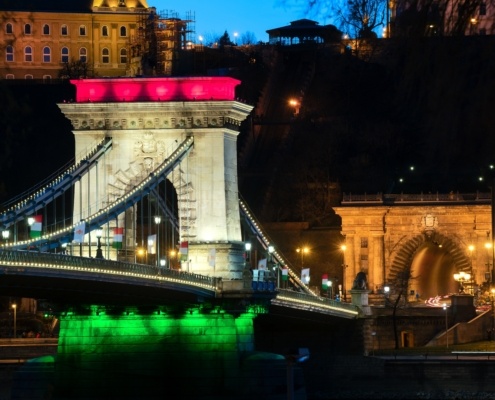
Budapest travel March April - visiting budapest now

Visiting Budapest now is definitely safe. The city is open and in good spirits!

Budapest is calm. The election result was decisive, the transition of power is expected to be orderly, and there are no travel warnings or disruptions to daily life.
For travelers visiting Budapest now, the situation on the ground feels stable and welcoming.

If anything, the atmosphere right now is something special. Locals are energised, hopeful, and talkative — and if you join one of our free walking tours in the coming days, you will hear about it firsthand from your guide. Budapest’s story is always best told on foot, and right now there is a new chapter being written in real time.

EU relations are expected to improve

One of the most significant shifts under the new government is Hungary’s expected return to closer cooperation with the European Union. Under Orbán, Hungary was frequently at odds with Brussels, which created complications for businesses and institutions across the country.

New PM Péter Magyar has pledged to bring Hungary back into the EU mainstream. For those visiting Budapest now, this suggests a more stable and predictable environment in the near future.
Better for tourism, better for the city, better for everyone walking its streets.
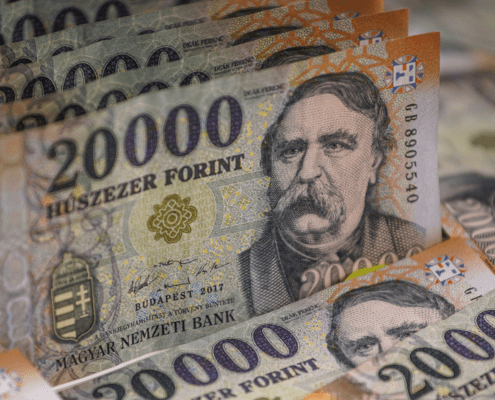
visiting budapest now forint

The forint is at its strongest in years — great news for your wallet

One thing worth knowing before you arrive: the Hungarian forint is currently at its strongest in years — around 367 HUF/EUR and 314 HUF/USD. This means your euros or dollars will buy fewer forints than they would have a year or two ago, so Budapest is slightly less of a bargain than it was recently for incoming visitors.

If you are visiting Budapest now, it’s worth adjusting expectations slightly when it comes to prices.

That said, the city remains very good value compared to most Western European capitals. Thermal baths, accommodation, and a glass of wine at a ruin bar are still remarkably affordable. One honest note though: eating out can feel pricier than expected. Hungary has one of the highest VAT rates in the EU at 27%, which is reflected in restaurant bills. It is not Paris expensive — but it is worth budgeting a little more for food than Budapest’s affordable reputation might suggest.

Practical tips for visitors who are visiting Budapest now

A few practical tips from us:

  • Withdraw Forints from ATMs using your home bank card for the best rate
  • Avoid exchange booths at the airport, train stations, and busy tourist areas — rates there can be terrible
  • Always pay in forints, not your home currency, when a card machine asks — this is called dynamic currency conversion, and it will cost you

These small details make a big difference when visiting Budapest now, especially during a period of economic adjustment.

Oh, and one more thing — our free walking tours are still free. Well, tip-based. You pay what you feel the tour was worth at the end, and not a forint before. That has never changed.
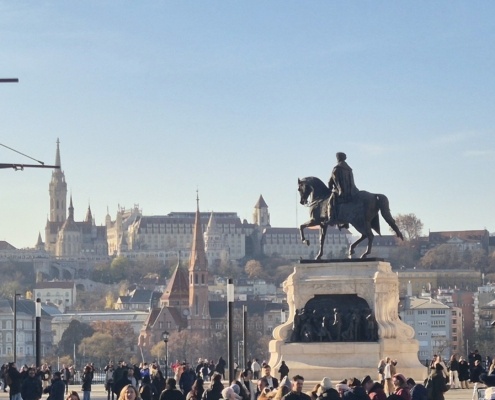
december in budapest - is Budapest safe to visit - visiting budapest now

What is not changing

Almost everything that makes Budapest extraordinary has nothing to do with politics, and it is not going anywhere.

The Buda Castle District, the Jewish Quarter, the Great Market Hall, Fisherman’s Bastion, the thermal baths, the ruin bars, the Danube at golden hour — all of it is exactly as beautiful as it has always been. A change of government does not touch any of that.

Visas, public transport, opening hours, and day-to-day life for visitors will continue as normal throughout the transition. This is important to understand if you are visiting Budapest now — the core travel experience remains unchanged.

One more thing: this is a fascinating moment to visit!

We have been guiding curious travellers around Budapest since 2007 — through history, through complicated times, through all seasons. One thing we know for certain: Budapest has always rewarded people who pay attention.

Right now, the city is living through a genuinely historic moment. The conversations on our tours will be richer for it. The locals you meet in a café or on a tram will have something real to say. The streets have a different energy.

Visiting Budapest now is not just about sightseeing — it’s about experiencing a city in the middle of real change.

If you were already planning to visit, you picked a remarkable time. If you were thinking about it, let this be your sign.

Come walk with us. The city is waiting.
Budapest Transport Guide 2026: How to Get Around Like a Local

Budapest has one of the best public transport systems in Europe. It’s fast, affordable, and connects almost every major attraction with metro lines, trams, and buses. If you’re visiting the city for the first time, understanding the system will save you time, money, and unnecessary stress. The good news: once you know a few basic routes, getting around Budapest becomes very easy. This Budapest transport guide is designed to help first-time visitors understand the system quickly and confidently.— tickets, passes, metro lines, trams, airport transfers, and practical tips to move around like a local.

For a quick summary, check our Budapest Public Transport Cheat Sheet. It will also help you easily reach the TripToBudapest.hu free walking tours meeting points and explore more of the city before or after your tour.

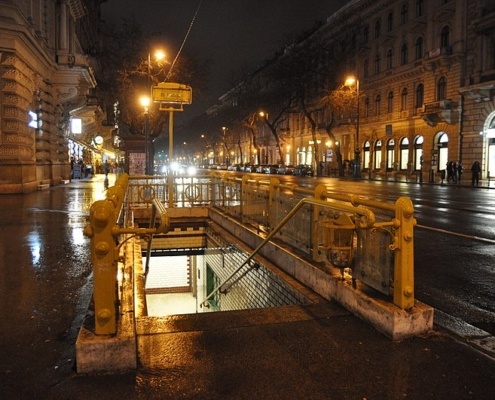
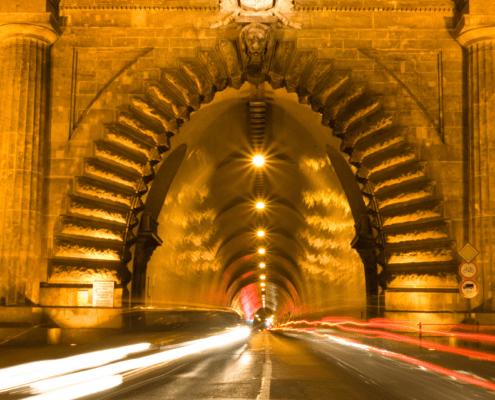
buda tunnel - budapest legends - Budapest transport guide

Quick Budapest Transport Guide: How Public Transport Works

If you’re unsure how to use public transport in Budapest, this overview gives you a simple starting point. Budapest’s public transport system is operated by Budapest Transport Centre and includes:

Metro lines
Trams
Buses
Trolleybuses
Suburban trains (HÉV)
Night buses


The network is dense and efficient, especially in the city centre. Most major attractions are just a few metro or tram stops apart, making public transport ideal for sightseeing.

Metro lines in Budapest

M1 (Yellow line) – historic metro under Andrássy Avenue
M2 (Red line) – east–west connection across the city
M3 (Blue line) – north–south line linking the airport bus route
M4 (Green line) – modern line connecting major train stations


Key tram lines for visitors

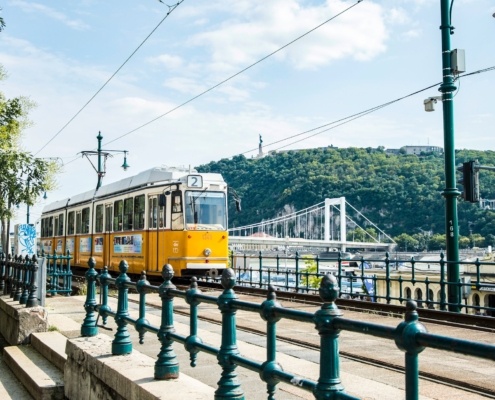
Tram 2 – scenic route along the Danube
Tram 4 & 6 – busy ring road line running day and night
Several others connect the Buda and Pest sides of the city.


Local tip from our guides:
Once you understand the metro, tram 2, and tram 4/6, you can reach almost every main attraction in Budapest.

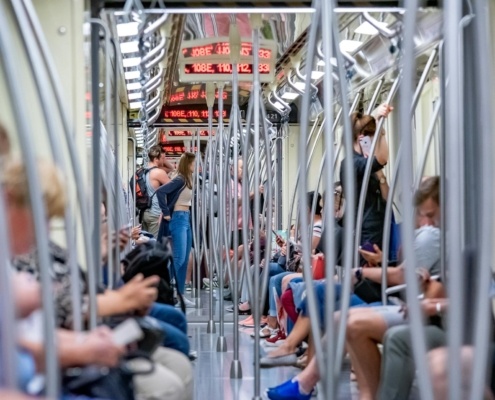
Budapest transport guide - metro

Tickets & Passes: What Tourists Should Buy?

In this Budapest transport guide, understanding tickets and passes is the first step to using the system correctly. Budapest public transport uses one-way tickets and time-based passes. Prices change occasionally, but the main types remain the same.

Common ticket options

Single ticket – valid for one ride without transfers
30-minute ticket – unlimited transfers within 30 minutes
90-minute ticket – unlimited transfers within 90 minutes


Travel cards (best for tourists)

24-hour travel card – unlimited rides for one day
72-hour travel card – perfect for a long weekend trip

Monthly pass – good for longer stays or digital nomads


Special ticket

100E Airport Express bus ticket – required for the direct airport bus.


Quick answer for travelers

What is the best public transport ticket for tourists in Budapest?

For most visitors, the 24- hour or 72-hour travel card is the best option because it allows unlimited travel on metro, trams, and buses without worrying about individual tickets.

Where to Buy Tickets (BudapestGO App, Machines & Kiosks)

You can buy Budapest transport tickets in three easy ways.

Ticket machines

Purple ticket machines are located at:

Metro stations
Major tram stops
Transport hubs


They operate 24 hours a day and accept cards and cash.

BudapestGO app

The official BudapestGO lets you:

Buy tickets and passes
Plan routes
Activate digital tickets


The app works in English and is very convenient for visitors.

Ticket offices and kiosks

You’ll find these at large transport hubs and some newsstands.

How Ticket Validation Works (Important)

Budapest has regular ticket inspections, so it’s important to validate your ticket correctly.

Paper tickets: Insert your ticket into the orange or purple validation machine before starting your journey.

Time-based tickets: Validate once at the beginning of your trip.

Mobile tickets: Activate them in the BudapestGO app and scan the QR code reader when boarding.

Important tip: Always keep your ticket or pass until the end of your journey.

Inspectors check frequently and fines can be expensive if your ticket isn’t validated.

Metro: The Fastest Way Across Budapest

Budapest transport guide

The four metro lines

For most visitors, the metro is the easiest way to start learning how to use public transport in Budapest, and it is also the quickest way to cross the city.

M1: runs under Andrássy Avenue and connects the city centre with Heroes’ Square and City Park

M2: links Buda with the Parliament area and eastern Pest
M3: connects the airport bus terminal with the centre
M4: modern line between Kelenföld Railway Station and Keleti Railway Station


Best metro lines for sightseeing

M1 – Andrássy Avenue, Opera House, City Park
M2 – Parliament and Buda side
M3 – airport connection


Trams: Scenic Routes for Sightseeing

Budapest trams are frequent, easy to use, and perfect for sightseeing above ground.

Tram 2 – the scenic Danube line

Budapest Tram Line 2 runs along the Danube and passes major landmarks including Parliament and the river promenade. Many travel magazines call it one of the most beautiful tram routes in Europe.

Tram 4 & 6 – the main city line

These trams run along the Grand Boulevard and connect many nightlife and shopping districts.

Tram 6 runs all night


Other useful tram lines

  • 47 / 49 – city centre to Gellért Baths
  • 19 – scenic Buda riverbank route

Tip for our walkers:
Tram 2 is a great relaxing ride before or after a walking tour if you want to see more of the Danube without walking further.

Budapest transport guide

Buses, Trolleybuses & Night Transport

Buses and trolleybuses connect neighborhoods that metro or tram lines do not reach.

Useful routes for visitors

Bus 16 – goes up to Buda Castle
Regular buses connect many residential districts.


Night transport

When the metro closes around midnight:

Night buses run across the city
Tram 6 operates 24 hours


Safety tip

Public transport in Budapest is generally safe, even at night. As always, keep an eye on your belongings.

taxis in Budapest 2025 - Budapest transport guide

Getting from Budapest Airport to the City Centre

Every complete Budapest transport guide should include how to get from the airport to the city centre. Most travelers arrive at Budapest Ferenc Liszt International Airport.

You have several transport options.

100E Airport Express Bus – The easiest option.Runs directly to Deák Ferenc Square with stops at:

Kálvin tér
Astoria
Travel time: about 40–45 minutes.

Note: Requires a special airport bus ticket.

Bus 200E + Metro

Budget option:

Bus 200E → Kőbánya-Kispest
Metro M3 → city centre


Taxi

Official airport taxis (Főtaxi)  offer fixed rates and take about 30–35 minutes depending on traffic. Price : approx. 30€


Budapest public transport tips

Best Public Transport Routes for Sightseeing

You can reach most attractions using just a few core routes.

Parliament & Danube Promenade

Metro M2 → Kossuth Lajos tér
Tram 2


Buda Castle

Metro M2 → Széll Kálmán tér
Bus 16 


Heroes’ Square & City Park

Metro M1 → Hősök tere


Jewish Quarter

Tram 4/6 → Király utca or Wesselényi utca


Gellért Hill

Trams 47 or 49

Bus 27


Practical Tips, Etiquette & Avoiding Fines

A few simple rules will make your public transport experience smooth.

Important tips

Always validate tickets before traveling
Keep your ticket until the end of the ride
Let passengers exit before boarding
Offer seats to elderly or pregnant passengers
Avoid large food or alcohol on vehicles


How to avoid fines?

Buy your ticket before boarding and validate it correctly. Inspectors check regularly.

How Our Free Walking Tours Fit In?

Public transport helps you move quickly between districts — but walking tours help you truly understand them.

Most of our TriptoBudapest.hu Free Budapest Walking Tours start near central transport hubs like:

Deák Ferenc Square, Kossuth Square, Batthyány Square, Fővám Square