
Visiting Budapest Now: What Changed After the Election?
Budapest After the Election: What Changes for Tourists?
On the night of April 12, 2026, something happened in Budapest that many Hungarians thought they might never see. After 16 years in power, Prime Minister Viktor Orbán conceded defeat in a landslide parliamentary election. Péter Magyar’s centre-right Tisza party won 138 of 199 parliamentary seats — a two-thirds supermajority — on a record voter turnout of nearly 78 percent. Tens of thousands of people celebrated along the banks of the Danube. The city felt different overnight.
If you have a trip to Budapest planned — or you’re thinking about visiting — you probably have one simple question: what does this mean for me as a tourist?
If you are visiting Budapest now, this is exactly the kind of moment that shapes the experience of the city in a unique way.
We’ve been walking the streets of this city with visitors since 2007. Here’s our honest take:
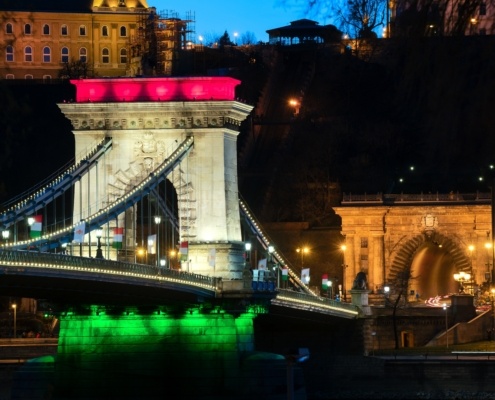
Visiting Budapest now is definitely safe. The city is open and in good spirits!
Budapest is calm. The election result was decisive, the transition of power is expected to be orderly, and there are no travel warnings or disruptions to daily life.
For travelers visiting Budapest now, the situation on the ground feels stable and welcoming.
If anything, the atmosphere right now is something special. Locals are energised, hopeful, and talkative — and if you join one of our free walking tours in the coming days, you will hear about it firsthand from your guide. Budapest’s story is always best told on foot, and right now there is a new chapter being written in real time.
EU relations are expected to improve
One of the most significant shifts under the new government is Hungary’s expected return to closer cooperation with the European Union. Under Orbán, Hungary was frequently at odds with Brussels, which created complications for businesses and institutions across the country.
New PM Péter Magyar has pledged to bring Hungary back into the EU mainstream. For those visiting Budapest now, this suggests a more stable and predictable environment in the near future.
Better for tourism, better for the city, better for everyone walking its streets.
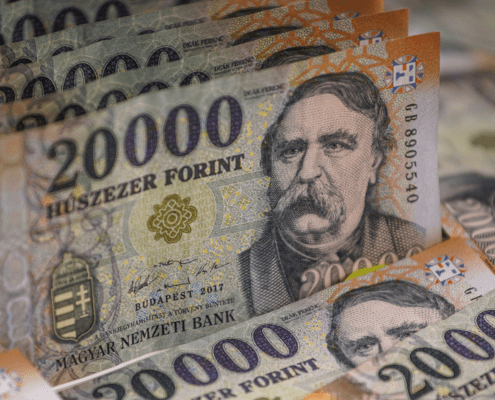
The forint is at its strongest in years — great news for your wallet
One thing worth knowing before you arrive: the Hungarian forint is currently at its strongest in years — around 367 HUF/EUR and 314 HUF/USD. This means your euros or dollars will buy fewer forints than they would have a year or two ago, so Budapest is slightly less of a bargain than it was recently for incoming visitors.
If you are visiting Budapest now, it’s worth adjusting expectations slightly when it comes to prices.
That said, the city remains very good value compared to most Western European capitals. Thermal baths, accommodation, and a glass of wine at a ruin bar are still remarkably affordable. One honest note though: eating out can feel pricier than expected. Hungary has one of the highest VAT rates in the EU at 27%, which is reflected in restaurant bills. It is not Paris expensive — but it is worth budgeting a little more for food than Budapest’s affordable reputation might suggest.
Practical tips for visitors who are visiting Budapest now
A few practical tips from us:
- Withdraw Forints from ATMs using your home bank card for the best rate
- Avoid exchange booths at the airport, train stations, and busy tourist areas — rates there can be terrible
- Always pay in forints, not your home currency, when a card machine asks — this is called dynamic currency conversion, and it will cost you
These small details make a big difference when visiting Budapest now, especially during a period of economic adjustment.
Oh, and one more thing — our free walking tours are still free. Well, tip-based. You pay what you feel the tour was worth at the end, and not a forint before. That has never changed.
What is not changing
Almost everything that makes Budapest extraordinary has nothing to do with politics, and it is not going anywhere.
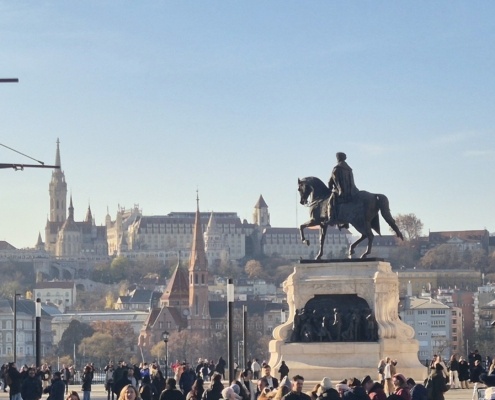
The Buda Castle District, the Jewish Quarter, the Great Market Hall, Fisherman’s Bastion, the thermal baths, the ruin bars, the Danube at golden hour — all of it is exactly as beautiful as it has always been. A change of government does not touch any of that.
Visas, public transport, opening hours, and day-to-day life for visitors will continue as normal throughout the transition. This is important to understand if you are visiting Budapest now — the core travel experience remains unchanged.
One more thing: this is a fascinating moment to visit!
We have been guiding curious travellers around Budapest since 2007 — through history, through complicated times, through all seasons. One thing we know for certain: Budapest has always rewarded people who pay attention.
Right now, the city is living through a genuinely historic moment. The conversations on our tours will be richer for it. The locals you meet in a café or on a tram will have something real to say. The streets have a different energy.
Visiting Budapest now is not just about sightseeing — it’s about experiencing a city in the middle of real change.
If you were already planning to visit, you picked a remarkable time. If you were thinking about it, let this be your sign.
Come walk with us. The city is waiting.