Tag Archive for: hidden gems

Budapest Proposal Ideas: Romantic Places for a Perfect Yes

Best Proposal Spots in Budapest – A Romantic Mini Guide

Budapest is often called one of Europe’s most romantic capitals — and for good reason. With panoramic viewpoints, historic architecture, glowing bridges, and peaceful parks, the city offers countless unforgettable places to pop the question.

If you’re looking for meaningful, scenic, and memorable Budapest proposal ideas, these are the locations locals and visiting couples love most.
Budapest proposal ideas

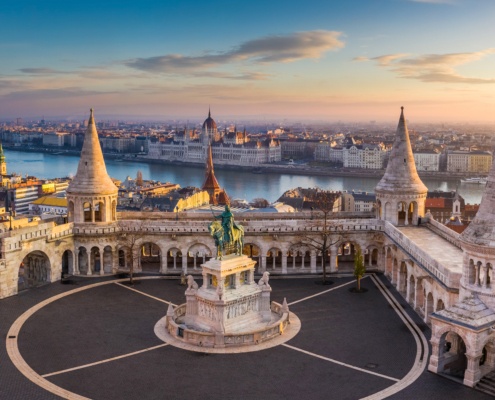
Fisherman’s Bastion – Fairytale Views Above the City

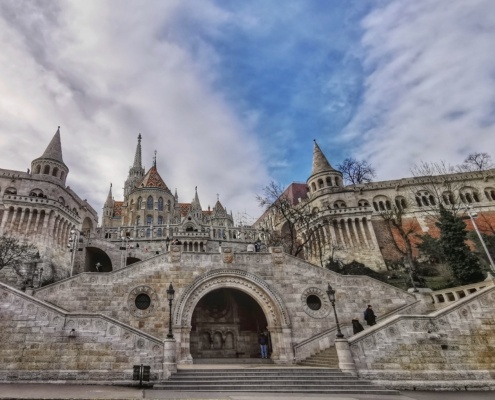
One of the most iconic Budapest proposal ideas is to ask the big question on the stairs of the Fisherman’s Bastion.
With its white stone towers, arches, and sweeping panorama over the Danube and Parliament, it feels straight out of a storybook.

Early morning and sunset are the quietest and most beautiful times, but for those who want a crowd to celebrate one of the most important milestones of their life together, the afternoon is ideal.

Why it’s perfect:

  • Panoramic city views

  • Soft golden light at sunset

  • Romantic historic atmosphere

  • Ideal for photos and video

Vajdahunyad castle - free events in Budapest - Budapest proposal ideas

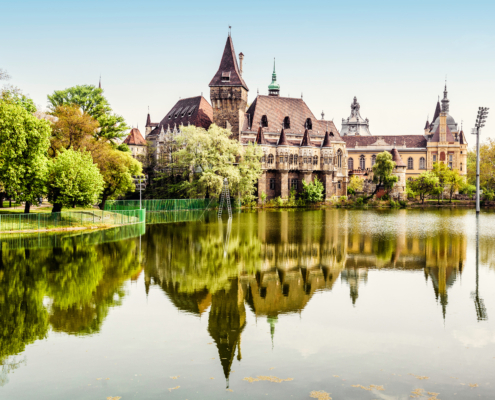
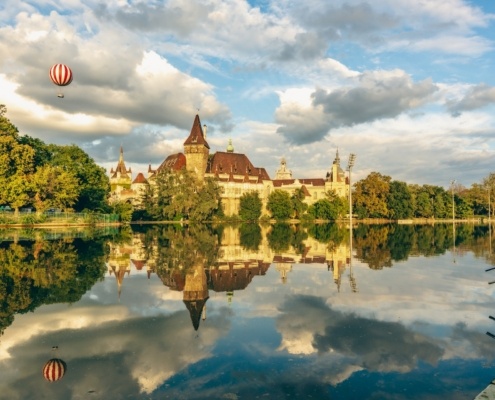
Vajdahunyad Castle – A Hidden Romantic Gem

For couples who prefer something peaceful and intimate, Vajdahunyad Castle is pure magic. Surrounded by a lake and parkland, this fairytale-style castle feels secluded even in the heart of the city.

In winter, lights reflecting on the water create a dreamy backdrop, making it one of the most atmospheric Budapest proposal ideas for a private, emotional moment.

Why it’s perfect:

  • Quiet and less crowded

  • Storybook architecture

  • Romantic reflections at dusk

  • Ideal for intimate proposals


Budapest proposal ideas

Liberty Bridge – Dramatic City Romance

If you love bold city scenery, Liberty Bridge offers one of the most striking Budapest proposal ideas. The glowing lights, river below, and skyline views create a cinematic atmosphere — especially after sunset.

Why it’s perfect:

  • Stunning night views

  • Iconic Budapest skyline

  • Strong city energy

  • Incredible photos

statues in budapest - Budapest proposal ideas

Gellért Hill Viewpoints – Romantic Terraces Above the City

While the Citadel on Gellért Hill is currently under renovation, the hillside terraces remain open — and they are just as breathtaking.

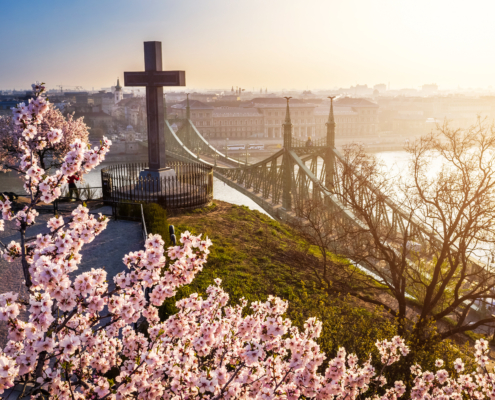
These scenic platforms feel like romantic balconies overlooking Budapest, with sweeping views of the Danube, glowing bridges, Parliament, and the city skyline. The viewpoints near the Statue of St. Gerard are especially peaceful.

For couples seeking elevated, emotional Budapest proposal ideas, these terraces are among the most magical spots in the city. Our friends at Around Budapest have experience organizing fully customizable proposal tours, including the Philosopher’s Garden at Gellért Hill.

Why couples love them:

  • Wide panoramic views

  • Fewer crowds than at the Citadel

  • Perfect sunset light

  • Intimate atmosphere

Budapest proposal ideas

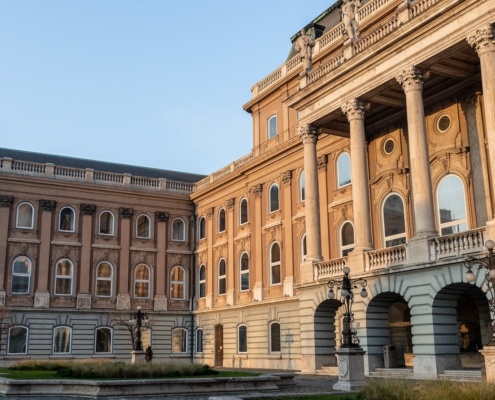
Buda Castle Courtyards – Historic Romance

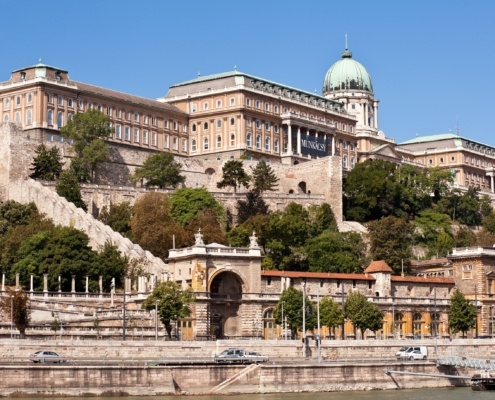
The courtyards and terraces of Buda Castle combine elegant architecture with river views and quiet corners — perfect for a romantic surprise.

Why it’s perfect:

  • Historic royal setting

  • Beautiful stone terraces

  • Danube views

  • Especially peaceful in the evening

things to do in Budapest in June -Margareth Island

Margaret Island – A Romantic Escape (Best From May to October)

For a softer, nature-focused proposal, Margaret Island is at its best from May through October. Blooming gardens, shaded paths, fountains, and riverside views create a calm, intimate atmosphere far from city noise.

It’s an ideal setting for couples who love tranquility and long walks — and one of the most relaxed Budapest proposal ideas in warmer seasons.

Why it’s perfect:

  • Lush greenery and flowers

  • Quiet riverside promenades

  • Plenty of private corners

  • Ideal for spring, summer, and early autumn


Best Time for Proposals in February (Valentine’s Season)

On February 14 in Budapest, sunset is around 5:15 PM (17:15).

Ideal timing:

  • Arrive around 4:45 PM

  • Enjoy golden hour light

  • Propose as the sky turns pink and orange

  • Stay for sparkling city lights

This transition from day to night is often the most magical moment for proposals.

Final Tip for Proposal Ideas from TripToBudapest.hu

Some of the most romantic proposal moments happen naturally during slow walks — moving from viewpoints to bridges to quiet, hidden spots.

Budapest doesn’t need staging. Often, the city itself creates the perfect setting for a heartfelt “yes.” If you need personal recommendations from local experts, consider joining our walking tours.
Budapest Couples Experiences 2026: A Local Valentine’s Day Guide

Budapest Couples Experiences in 2026 for a Magical Valentine’s Day:

Budapest is one of Europe’s most romantic cities — and Valentine’s Day in 2026 is the perfect moment to experience it together. From glowing bridges over the Danube to warm thermal baths in crisp winter air, the Hungarian capital offers unforgettable moments designed for connection.

Our free walking tours team explores the city every day, and based on what couples truly love, we’ve curated these Budapest couples experiences in 2026 to help you plan a Valentine’s Day that feels personal, relaxed, and genuinely romantic. Whether you’re visiting for a weekend or already living here, these ideas will help you create lasting memories.

things to do on Father's day in Budapest or Budapest couples experiences

1. Explore Budapest on a Romantic Walking Tour

One of the most intimate Budapest couples experiences is simply walking through the city together. Budapest rewards slow travel: historic squares, quiet backstreets, riverbanks, and panoramic viewpoints are all best enjoyed on foot.

You can join a free Budapest walking tours or create your own route through the city center, the Castle District, or along the Danube.

Why couples love it:

  • No rush

  • Endless photo spots

  • Stories that bring Budapest to life


2. Surprise Your Partner With Fresh Flowers From a Local Florist

Flowers are an essential part of Valentine’s Day in Budapest, and Hungarians take flower-giving seriously. Instead of generic stalls, locals often visit independent florists for something more thoughtful.

Local flower shop recommendations:

  • Ariadné Virágüzlet (near the city center) – elegant, artistic bouquets

  • Fleurop (District V) – creative arrangements with a modern touch

  • ARIOSO Flower Shop (District VII-Jewish Quarter) – most central location, English speakers

Picking out flowers together or surprising your partner with a hand-tied bouquet is a small but meaningful detail that elevates your Budapest couples experiences.

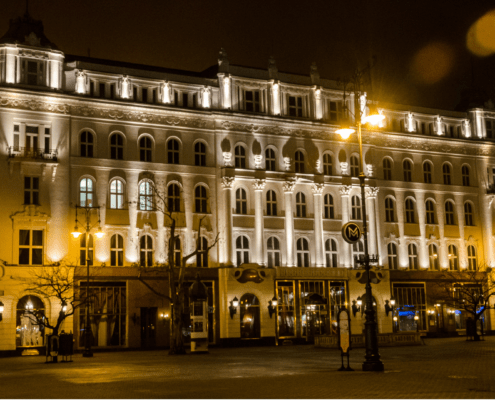
Gerbeaud café - budapest legends - Budapest Couples Experiences

3. Turn Budapest’s Café Culture Into a Romantic Ritual

Budapest’s café culture is perfect for couples who enjoy slowing down. Instead of a rushed meal, spend an afternoon sharing cakes, coffee, and conversation.

Romantic caféhouse ideas:

  • Hadik Café – cozy, historic, and perfect for long talks

  • Gerbeaud Café – classic elegance and famous Hungarian desserts

  • Central Café – a legendary literary café with elegant interiors, historic charm, and a timeless romantic atmosphere

Sharing pastries and hot chocolate in one of these cafés is a cornerstone of authentic Budapest couples experiences.

Budget Valentine’s Day Budapest - Budapest Couples Experiences

4. Enjoy Sunset Drinks With a City View

Rooftop bars and terraces across Budapest stay open in winter with heaters, blankets, and soft lighting. Watching the skyline glow as the sun sets is one of the city’s most romantic rituals. The best sunset spots are on the Buda side; our personal favorite is the Filosopher’s Garden at Gellért Hill.

Best time: 4:30–6:30 pm in February.

Budapest travel tips 2026 - Budapest Couples Experiences

5. Relax Together in Budapest’s Thermal Baths

Budapest is known worldwide as the City of Spas, and soaking together is one of the most iconic Budapest couples experiences.

At Széchenyi Thermal Bath, Valentine’s Day is celebrated with special decorations, glowing lights, and themed cocktails. Couples can relax in warm outdoor pools while winter air surrounds them.

For 2026, Széchenyi offers exclusive Valentine’s packages combining relaxation, drinks, and romantic spa settings — an unforgettable blend of wellness and romance.

6. Take a Night Cruise on the Danube

A Danube river cruise after dark reveals Budapest at its most cinematic. Illuminated bridges, Parliament, and Castle Hill create a dramatic backdrop for romance.

Most cruises include:

  • Champagne or wine

  • Dessert platters

  • Soft background music

Ideal for anniversaries, proposals, or simply enjoying one of the most classic Budapest couples experiences.

sightseeing public tram in Budapest - Budapest on a budget - Budapest Couples Experiences

7. Ride the Scenic River Trams

Some of the most beautiful views in Budapest come with a simple tram ticket.

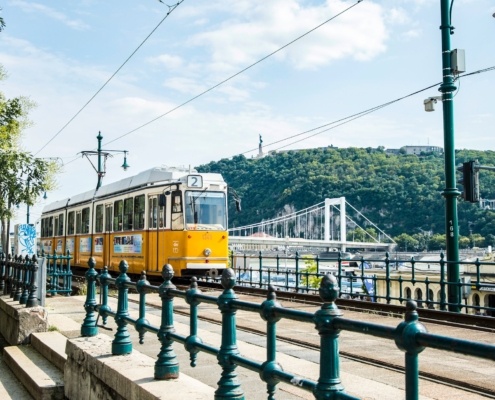
  • Tram 2 (Pest side): Parliament, bridges, and river views

  • Tram 41 or 19 (Buda side): quieter neighborhoods, castle panoramas

Sitting side by side and watching the city drift past is one of Europe’s most romantic public transport experiences — simple, affordable, and surprisingly intimate.

Budapest Couples Experiences - Opera

8. Plan an Elegant Night at a Concert Hall or the Opera

Valentine’s week fills Budapest’s concert halls with romantic programs. A standout event takes place at Müpa Budapest, featuring the L-O-V-E light jazz concert celebrating Ella Fitzgerald and Louis Armstrong.

For classical drama lovers, Valentine’s night at the Hungarian State Opera House features Tosca, a powerful story of love and sacrifice.

Dressing up, enjoying pre-show drinks, and ending with a late dinner turns culture into one of the most refined Budapest couples experiences.

active travel in budapest - city park - Budapest Couples Experiences - Opera

9. Create a Memory in One of Budapest’s Fairytale Locations

Budapest feels like a storybook come to life, especially in winter. Some places are made for romance:

  • Fisherman’s Bastion – fairytale towers and Danube views

  • Vajdahunyad Castle (City Park) – straight out of a fantasy novel

  • Várkert Bazár – elegant terraces along the river

  • Margaret Island gardens – peaceful, intimate, and green even in winter

These locations are perfect for proposals, anniversary moments, or quiet conversations — moments where Budapest couples experiences truly shine.

Romantic Hungarian Phrases to Impress Your Partner

Add a local touch:

  • Szeretlek – I love you

  • Hiányzol – I miss you

  • Gyönyörű vagy – You are beautiful

  • Boldoggá teszel – You make me happy

  • Te vagy mindenem – You are my everything

  • Te vagy a lelki társam – You are my soulmate

Why Trust TripToBudapest.hu?

At TripToBudapest.hu, we guide thousands of visitors every year through Budapest’s streets, stories, and hidden corners. Our free walking tours are about experiencing the city like a local — and this Valentine’s guide reflects exactly what couples love most.

If you want to start your trip the right way, join one of our free walking tours and let Budapest work its magic.


Budapest First Time Travel Guide 2026: Sights, Tips & Gems

Budapest City Layout (Budapest First Time Travel Basics)

For your first time in Budapest, understanding the city layout is essential. Budapest is divided by the Danube River into two main areas: Buda and Pest. Buda lies on the west bank and is known for its hills, historic castles, and scenic viewpoints, while Pest sits on the east bank and hosts most commercial, cultural, and administrative centers.

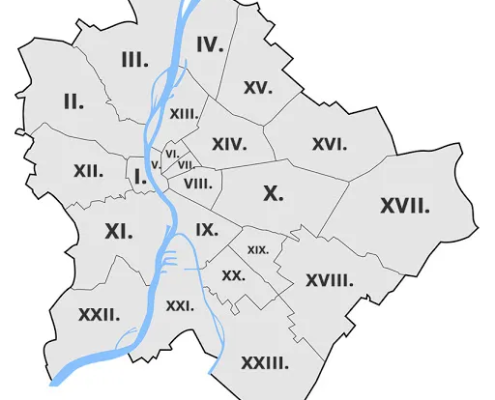
The city is further divided into 23 numbered districts. For Budapest first time travel, the most relevant areas are the central districts (I, V, VI, VII), where most major attractions, restaurants, and walking routes are located.

Main Sites to Visit

Hungarian Parliament Building

One of Budapest’s most impressive landmarks and a must-see for Budapest first time travel visitors. Many travelers enjoy it from the outside—walking around Kossuth Square, viewing it from the riverbank, or riding scenic Tram 2—without going inside.

Interior tours are interesting but not essential if you’re short on time or budget.
Local tip: the Parliament Visitor Center is free to enter and has clean public toilets—rare and valuable during sightseeing.

For the best photos, head to Batthyány tér on the Buda side. It’s also the meeting point for our daily Buda Castle District walking tours, which are especially helpful for planning your future activities here.

thermal baths in Budapest

Széchenyi Thermal Bath

Budapest’s most famous bath and often the first spa experience during Budapest first time travel. It’s lively, busy, and expensive—but memorable.

For a quieter, more local alternative, Lukács Baths and Rudas Baths usually offer better value and fewer crowds.

Practical tips for first-time visitors:

  • Bring your own towel and flip-flops if possible

  • A swimming cap is required for lap pools

  • Rentals are available, but the quality is basic

Buda Castle District & Castle Hill (A First-Time Favorite)

For Budapest first time travel, this area is best enjoyed for its views, cobblestone streets, and atmosphere rather than museums alone. Simply walking the courtyards, old town streets, and lookout points is free—and often the highlight.

To avoid tourist traps and find the best viewpoints, many first-time visitors benefit from joining a guided walk. Our daily Free Buda Castle District walking tour offers a clear overview led by local guides who know the area inside out.

Andrássy Avenue & Heroes’ Square

Ideal for a relaxed walk and architecture lovers during their first time traveling to Budapest. While the avenue is elegant, most shops are international chains, not great for unique Hungarian shopping.

Heroes’ Square is worth a quick stop for photos and historical context, especially if you’re visiting nearby City Park. Come here for atmosphere—not bargain shopping.

Central Market Hall (And a Better Local Alternative)

The Central Market Hall is worth a short visit for atmosphere, but prices are higher than those in neighborhood markets. Locals mainly shop on the ground floor; the upper level is tourist-oriented.

For a more authentic Budapest first time travel experience, visit Fény Street Market Hall instead. It’s still a working local market with fresh produce, meat, fish, and Hungarian street food at local prices.

things to do in Budapest in June -Margareth Island

Margaret Island – Free Relaxation for First-Time Visitors

One of the best free places in the city, especially appreciated during your Budapest first time travel. Locals jog, picnic, and unwind here year-round.

You can also swim in every season at Hajós Alfréd National Swimming Pool and Palatinus Baths.

Family tip: Margaret Island pools are the most child-friendly option in Budapest and allow children under 14—even in winter—unlike most downtown thermal baths.


goulash-soup - reasons to visit Budapest

Eating Like a Local in Budapest (Without Overpaying)

For Budapest first time travel, food choices can make a big difference. Restaurants near major sights often charge more for average quality. Locals eat a few streets away.

Key local strategies:

  • Look for “napi menü” lunch deals on weekdays

  • Choose neighborhood bistros in Buda, Újlipótváros, or quieter Jewish Quarter streets

  • Walk 200–300 meters away from major landmarks

  • Follow lunchtime office crowds

Local rule of thumb: the closer a restaurant is to a famous sight, the higher the price—and often the lower the quality. For local restaurant recommendations, you can also ask our guides. Each of our tours finishes with a personal recommendation list of our favorite authentic places.

Hidden Corners Worth Your Time on a First Visit

Stepping away from major sights is where your first experience with Budapest becomes truly memorable.

  • Jewish Quarter backstreets (mornings) – calm, local bakeries, everyday life

  • Danube paths south of downtown – fewer crowds, relaxed riverside walks

  • Pozsonyi Street (Újlipótváros) – local cafés, wine bars, neighborhood vibe

  • Residential Buda cafés and parks – quieter, cheaper, more authentic

These areas show Budapest as locals live it—relaxed, practical, and welcoming.

Are Free Walking Tours Worth It for Budapest First Time Travel?

Yes. For Budapest, free walking tours are one of the easiest ways to understand the city’s layout, history, and everyday life in a short time.

They help you:

  • Get oriented quickly

  • Discover hidden corners

  • Avoid common tourist traps

  • Decide what to explore deeper later

Our Trip to Budapest free walking tours are led by local guides and combine major highlights with practical advice you won’t find in guidebooks—making them an ideal starting point for first-time visitors.

Budapest First Time Travel: Frequently Asked Questions

How many days do I need in Budapest?
3–4 days is ideal for main sights, thermal baths, and local neighborhoods.

What’s the easiest way to move between attractions?
Walking and public transport work best. Trams 2, 19, 47, are both scenic and practical.

Is Budapest wheelchair accessible?
Most modern attractions are accessible, but some historic areas have stairs or steep paths.

What should I wear in February in Budapest?
Warm layers, a winter coat, gloves, a hat, and comfortable walking shoes.

How can I avoid crowds in Budapest?
Visit early in the morning, go on weekdays, and explore quieter neighborhoods and baths.

Is Budapest expensive for tourists?
Budapest is more affordable than many Western European capitals, especially for food and public transport, but prices near major attractions are higher. Eating where locals do saves a lot.

Is Budapest safe for first-time visitors?
Yes, Budapest is generally very safe. Pickpocketing can happen in crowded areas, and it’s smart to watch drinks in busy nightlife spots.

Do I need cash in Budapest or can I use cards?
Cards are widely accepted, but small cafés, markets, and street food places, public toilets often prefer cash. The local currency is Hungarian forint (HUF).

What’s the best area to stay in Budapest for sightseeing?
Central Pest (Districts V, VI, and VII) is most convenient for walking, transport, restaurants, and major attractions.

Are thermal baths open in winter?
Yes — Budapest’s thermal baths are open year-round and are especially popular in winter.

Can I drink tap water in Budapest?
Yes, tap water is safe to drink throughout the city.

Is English widely spoken in Budapest?
Yes, especially in tourist areas, restaurants, hotels, and public transport hubs.

Do I need to tip in Budapest restaurants?
Tipping around 10% is customary if service is not already included on the bill.

Are free walking tours in Budapest worth it for first-time visitors?

Yes — free walking tours are one of the best ways to understand Budapest’s history, layout, and local life in a short time. They help you get oriented, discover hidden corners, and avoid common tourist traps. Our Trip to Budapest free walking tours are led by local guides and cover the main highlights along with practical tips you won’t find in guidebooks.


Budapest in September 2025: Best Things to Do & See

Budapest in September 2025: Your Festival & Event Guide

Budapest in September 2025 is one of the best times to visit. The summer crowds drift away, evenings turn pleasantly cool, and the city buzzes with festivals, concerts, and food markets. Whether you’re a first-timer or a returning traveler, September strikes the perfect balance: lively events plus relaxed sightseeing.

Here’s your quick guide to the can’t-miss events and experiences in Budapest in September 2025.


Budapest in September 2025: Festival & Event Timeline

  • August 30: Bartók Street Festival

  • September 2–7: Downtown Beer Festival

  • September 5–7: Bakáts Feszt

  • September 6: Pozsonyi Picnic

  • September 11–14: Budapest Wine Festival

  • September 12–14: Józsefváros Jazz Festival

  • September 13–21: Ars Sacra Festival

  • September 14: Judafest


Art Nouveau in Budapest-Gellért bath

Bartók Street Festival (August 30)

Held along Bartók Béla Boulevard (District XI), this two-day street festival is a lively mix of art, gastronomy, and music. Cafés spill onto sidewalks, galleries open their doors, and the boulevard turns into a cultural playground.


Downtown Beer Festival (September 2–7)

Set in Szabadság Square (District V), the Belvárosi Sörfesztivál is heaven for beer lovers. Sample hundreds of brews, dig into street food, and groove to live music — all in the city’s historic core.


Bakáts Feszt (September 5–7)

This cultural mashup of music, theater, dance, film, visual arts, comedy, and food captures the lively spirit of Ferencváros.


Pozsonyi Picnic (September 6)

Újlipótváros’ biggest community festival fills the riverside with live music, performances, and local art. The vibe is casual, family-friendly, and unmistakably local.


Hungarian Wine Guide

Budapest Wine Festival (September 11–14)

Raise a glass at Buda Castle in Budapest in September 2025, where stunning views meet fine Hungarian wines. With terraces overlooking the Danube, this is the ultimate blend of culture, sightseeing, and sipping.


Józsefváros Jazz Festival (September 12–14)

District VIII transforms into a jazz hotspot, with local and international artists filling the streets with rhythm.


Ars Sacra Festival (September 13–21)

Budapest’s premier sacred arts festival fills churches with concerts, exhibitions, and performances.


judafest - Budapest in September 2025

Judafest (September 14)

Celebrate Jewish culture, history, and cuisine in Budapest’s historic Jewish Quarter (District VII). From live music to traditional delicacies, this is one of the city’s most colorful street festivals.


Tips for Visiting Budapest in September 2025

  • Weather: Mild days (20–25°C / 68–77°F) and cool evenings — perfect for long walks and late-night festivals.

  • Crowds: Fewer tourists than summer = shorter lines, more space, happier you.

  • Local Delights: Don’t miss gulyás, kürtőskalács, and fresh wine tastings.

  • Walking Tours: Join our daily free walking tours to discover hidden gems and history while enjoying festivals in Budapest in September 2025.


Whether you’re here for jazz, wine, or chimney cake, Budapest in September 2025 is shaping up to be one of the best months to experience the city. Pack comfy shoes, an appetite, and maybe a little extra room in your suitcase for paprika.

Romantic Budapest 2025: Dreamy Photo Spots for Couples

May in Romantic Budapest 2025 is pure magic. As the city bursts into bloom and the Danube sparkles under longer days, love is everywhere. Whether you’re falling head over heels or ready to pop the question, Budapest offers a dreamy backdrop for every kind of romantic moment. Here are 10 of the most breathtaking photo spots — ideal for capturing that “I’m in love” vibe or a life-changing “Will you marry me?” moment.


 Fisherman’s Bastion at Sunrise

Why it’s perfect: With its storybook towers, sweeping views over the Danube, and soft golden light at dawn, this is the ultimate fairy-tale setting for romance. We saw many proposals at this location and it is always a magical moment. 
Tip: Arrive early for peace and the most magical lighting in Romantic Budapest 2025. It is one of the most picturesque destinations in the cit,y so it can be busy at all times.

Margaret Island’s Secret Garden Corners

Why it’s perfect: Tucked between Buda and Pest, this lush island offers cherry blossoms, quiet benches, and plenty of hidden nooks for cozy photos or a low-key proposal.
Tip: Don’t miss the Japanese Garden and the musical fountain for whimsical touches.

Vajdahunyad Castle in City Park

Why it’s perfect: This romantic, neo-Gothic-style castle looks straight out of a fantasy novel. It’s nestled beside a lake in City Park, making it ideal for dreamy, old-world photos.
Tip: Visit in the late afternoon when the light hits the castle’s façade just right — a must for your Romantic Budapest 2025 album.

Budapes in September - Buda Castle

Buda Castle Grounds at Sunset

Why it’s perfect: Grand architecture, cobblestone streets, and sweeping city views — the Castle District feels regal and timeless.
Tip: Head to the Savoy Terrace (Savoyai Terasz) for a quieter corner with epic views of Romantic Budapest 2025.

Chain Bridge by Night

Why it’s perfect: Budapest’s most iconic bridge lights up beautifully after dark, making it a classic backdrop for couples in love.
Tip: Twilight is the perfect moment for that dramatic shot with the Parliament glowing behind you.

Várkert Bazár (Castle Garden Bazaar)

Why it’s perfect: With its elegant staircases, lush gardens, and view of the Danube, Várkert Bazár is both grand and intimate — a hidden gem for romantic shoots or proposals.
Tip: Combine your visit with a riverside walk for added magic in Romantic Budapest 2025.

Gellért Hill Lookout Terrace

Why it’s perfect: Offering sweeping, cinematic views over the entire city, Gellért Hill is one of Budapest’s most awe-inspiring spots — especially at sunset or under the evening lights.
Tip: Wear comfortable shoes for the walk up, and bring a bottle of Hungarian red wine. There are no shops at the top, but the view (and the moment) will be more than worth it.

statues in budapest

The Garden of Philosophy

Why it’s perfect: This tranquil hilltop spot features symbolic statues and peaceful vibes — a reflective place for couples who appreciate quiet beauty and meaning.
Tip: Bring a bottle of wine or sparkling water and linger after your photos in Romantic Budapest 2025. Actually our friends at Around Budapest organized a special proposal experience here for couples before, if you need a little help organizing your most romantic day, don’t hesitate to contact them.

things to do in Budapest in June - Free tours

Rooftop Bars with a View

Why it’s perfect: Toast to your love with the skyline all around you. These bars offer unforgettable views and the perfect setting for a surprise ring.
Tip: Book ahead and let the staff know — they love helping set the mood.

thermal baths in Budapest

Széchenyi Thermal Baths

Why it’s perfect: Playful, iconic, and visually striking, a steamy soak with historic architecture in the background makes for unique, joy-filled photos.
Tip: Aim for early morning or twilight for a more intimate feel and to avoid the crowd.

Bonus Tip: Let Us Be Part of Your Love Story!

Join our daily free walking tours throughout  Budapest, and let your guide know if you’d like help snapping a couple of photos or finding a secret romantic corner only locals know about. We love helping travelers fall in love with the city — and with each other.

So grab your camera (or your ring) — and let Romantic Budapest 2025 be the backdrop for your love story.

Budapest Legends: Stories That Bring the City to Life

Budapest is a city steeped in history, and with that history comes an abundance of fascinating legends. From mysterious sculptures to quirky urban tales, Budapest legends add a magical layer to the capital’s rich cultural tapestry. Let’s explore some of the most intriguing legends—and where you can find them!

If you’re curious to learn more about Budapest legends and unforgettable stories beyond the historical numbers, join our daily Free Walking Tours running throughout January, February, and all year long in 2025!

The Tongueless Lions of the Chain Bridge

One of Budapest’s most famous legends centers around the lions guarding the Chain Bridge. According to popular lore, their sculptor, János Marschalkó, forgot to carve tongues for the lions. When ridiculed for his mistake, the heartbroken artist allegedly jumped to his death from the bridge. But here’s the truth: the lions do have tongues, carefully sculpted to lie flat in their mouths.

You can find these majestic stone lions at each end of the Széchenyi Chain Bridge, a site that plays a central role in many Budapest legends, connecting Buda and Pest over the Danube.

buda tunnel - budapest legends

The Chain Bridge and the Buda Tunnel: A Tale of Rainy Days

Among the quirky Budapest legends, one amusing tale involves the Buda Tunnel and the iconic Chain Bridge. The story goes that the tunnel was built so the Chain Bridge could be pushed into it during rainy weather, protecting the bridge from the elements. Locals loved to joke about it, and some mischievous pranksters even called the bridge master during rainstorms to ask, “Has the bridge been pushed into the tunnel yet?”

Visit the Buda Tunnel while exploring the Chain Bridge area—it’s a spot rich in both history and legend!

The Fat Policeman’s Belly

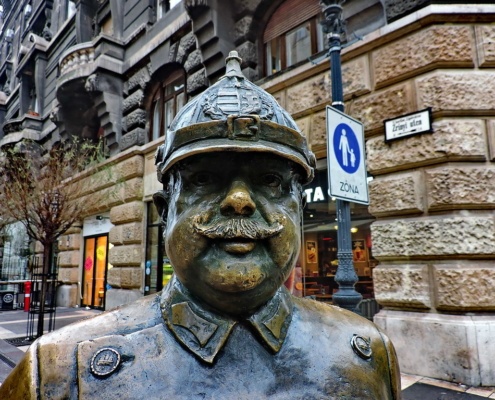
The statue of the Fat Policeman near St. Stephen’s Basilica is one of Budapest’s quirkiest landmarks. According to Budapest legends, rubbing his round belly will bring you good fortune and great food! This charming tradition perfectly complements the city’s reputation for delicious street food.

Head to Zrínyi Street near the Basilica, and while you’re there, indulge in local favorites like lángos or the smoky, sweet chimney cake to experience the legend for yourself. If you want to learn more about the exciting culinary life of the city, join our friends food tour.

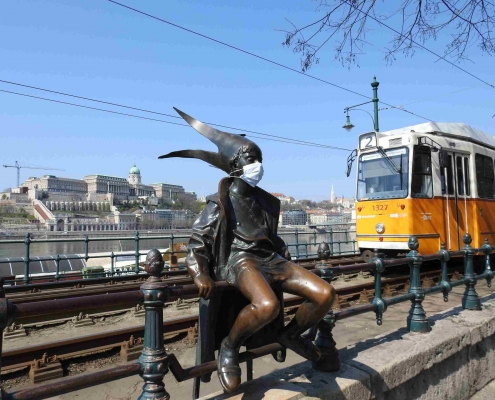
Photo taken by us of the Little Princess statue wearing a mask with tram number 2 and the Royal Palace of Buda in the background

The Knee of the Little Princess Statue

The Little Princess Statue, perched on the railings along the Danube, holds a magical secret. One of the most delightful Budapest legends claims that touching her knee ensures a return to the city. Whether you’re drawn to Budapest for its stunning architecture or vibrant culture, don’t forget this charming ritual.

You’ll find her on the Danube Promenade, between Elizabeth Bridge and the Chain Bridge—a picturesque spot surrounded by the beauty of Budapest legends and scenic views.

budapest legends - matthias fountain

The Romantic Tale of Matthias Fountain

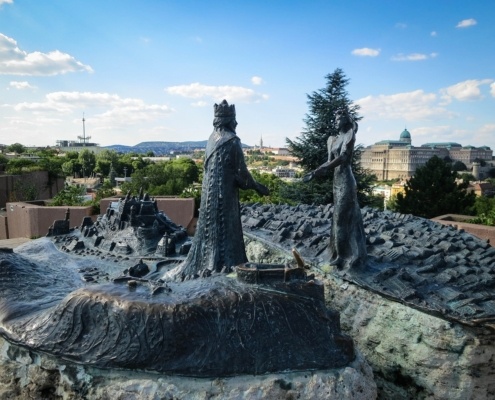
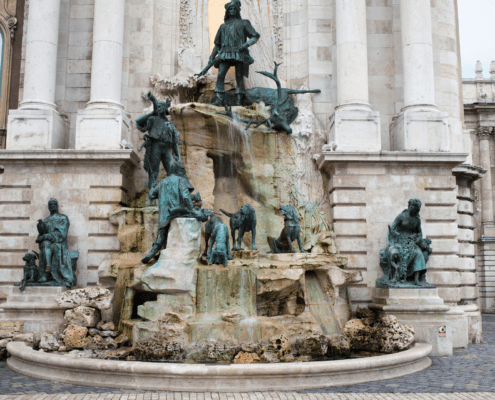
Located in the Buda Castle District, the Matthias Fountain is steeped in romance. It tells the story of King Matthias and Ilonka, a beautiful peasant girl. Their tale of love and longing mirrors the grandeur of the fountain itself. Like other Budapest legends, this one invites visitors to engage with the story by tossing a coin into the fountain to wish for a return to this magical city.

Find the Matthias Fountain in the Buda Castle Courtyard, near the main entrance of the Royal Palace, or join our Buda Castle Walk, where we visit it.

hadik andrás - budapest legends

The Horse of András Hadik Statue

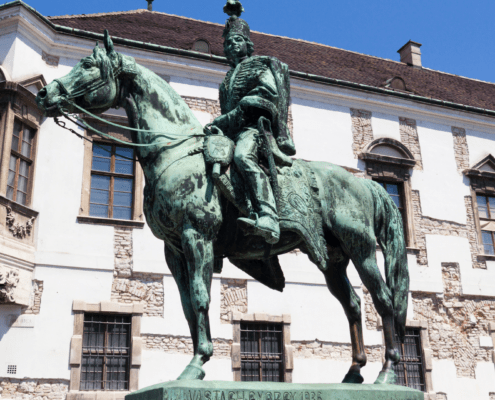
The András Hadik statue, depicting a Hungarian hussar on horseback, is infamous for its gleaming “horse testicles.” According to Budapest legends, rubbing this part of the statue brings good luck—especially for students preparing for exams. Though climbing up to the statue is no longer allowed, the playful tradition adds to the city’s charm.

Visit this quirky attraction on Szentháromság Street in the Castle District, near Matthias Church, or join our Buda Castle Walk, where we visit it.

Gerbeaud café - budapest legends

Gerbeaud Café’s Secret Signals

Gerbeaud Café wasn’t just about coffee and cake—it was once a hub of secret signals! Some legends even suggest the café’s brandy, soda, and dessert orders by younger gentlemen held some naughty hidden messages…If you want to learn exactly what it meant you should ask our local tour guides on the Free Budapest Walking Tour, where we visit this café.  Today, while those practices are history, this elegant café in Vörösmarty Square is still the perfect spot to immerse yourself in the ambiance of Budapest legends while enjoying a slice of Hungary’s past.


Want to hear more about Budapest legends and uncover its untold stories? Join our Free Walking Tours, running every day in 2025, where you’ll step into the city’s magic, from its mythical statues to its hidden traditions. Who knows? You may even uncover a new legend of your own!

Exploring Art Nouveau in Budapest: A Journey Through Stunning Architecture

In Hungary, the term Secessio (Latin for “separation” or “withdrawal”) became synonymous with a movement in the late 19th century where artists, disillusioned by the lifeless imitation of historical styles, sought to create something fresh, organic, and original. This desire for newness sparked the birth of Art Nouveau, which found its boldest pioneers across Europe, from Antoni Gaudí in Barcelona to Charles Rennie Mackintosh in Glasgow. In Central Europe, architects drew inspiration from German Jugendstil, French Art Nouveau, and English Liberty styles while embracing Hungarian folk motifs.

The second half of the 19th century they have marked a period of immense transformation. Rapid technological advancements, industrialization, urbanization, and the growth of large cities all contributed to a burgeoning need for new public buildings. Train stations, market halls, hospitals, and museums were constructed in various ornate, decorative styles that captivated the public. While often disconnected from their actual function, these buildings were designed to make a statement through their stunning facades.

The appearance of Art Nouveau in Budapest was an organic process, which added dynamism and creativity to its architectural landscape. Today, these masterpieces are spread across the city, standing as proud symbols of Budapest’s rich artistic heritage.

This self-guided journey through the city will introduce you to some of the most stunning examples of Art Nouveau in Budapest. Follow the route and immerse yourself in the beauty of this unique architectural style!


Art Nouveau in Budapest-Bedő ház

 House of Hungarian Art Nouveau in Budapest (Bedő-ház)

5-minute walk from the Parliament
Address: Honvéd utca 3
Architect: Emil Vidor

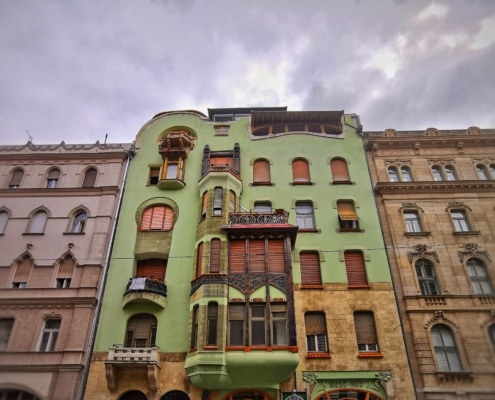
Start your Art Nouveau journey at the Hungarian House of Art Nouveau, a charming museum and café dedicated to Hungarian Art Nouveau design. The building’s façade features an asymmetrical design, varied window shapes, and rich decorative elements that reflect Hungarian motifs created by the renowned Zsolnay factory. The museum showcases a fascinating collection of Art Nouveau furniture, decorative arts, and architectural models, offering insight into this artistic revolution. Sadly, the Bedő House has been closed since 2020, but Szabadság tér still has many remarkable Art Nouveau buildings for you to discover.


Art Nouveau in Budapest

Former Royal Postal Savings Bank Building

Near the US Embassy
Address: Hold utca 4
Architect: Ödön Lechner

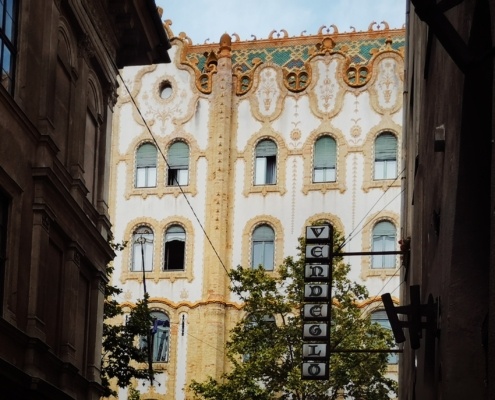
Next, head to the Former Royal Postal Savings Bank, designed by Ödön Lechner. While its structure is simple, the building’s intricately decorated façade and rooftop are anything but. Lechner worked with the Zsolnay factory to adorn the building with colorful ceramics that symbolize financial prudence. Look for motifs like bees climbing pilasters toward beehives, vibrant Hungarian folk flowers, and mythical creatures such as dragons and serpents that represent the volatility of money. Once a bank, the building now houses the Hungarian State Treasury, and although the narrow street limits your view of the rooftop, this Art Nouveau treasure is not to be missed.


Art Nouveau in Budapest-Gresham Palota

Gresham Palace

Opposite the Chain Bridge, now the Four Seasons Hotel
Address: Széchenyi István tér 5-6
Architects: Zsigmond Quittner and József Vágó

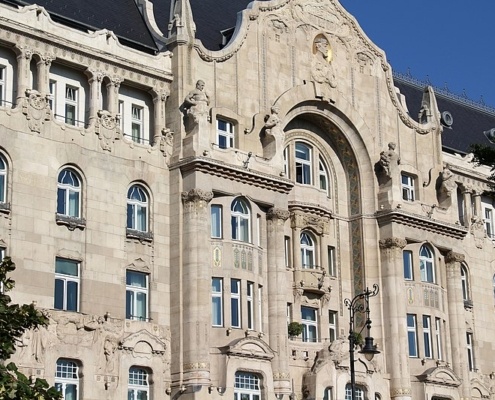
Gresham Palace is a grand Art Nouveau masterpiece, completed in 1906. Positioned directly opposite the Chain Bridge, it was originally built for an English insurance company. Today, it serves as the luxurious Four Seasons Hotel, where visitors can admire its Secession-style interiors on the ground floor. The building remains one of the most impressive examples of Art Nouveau in Europe, combining opulence with intricate craftsmanship.


Art Nouveau in Budapest-Törökbank

Turkish Bank House

8-minute walk from St. Stephen’s Basilica, near Váci utca
Address: Szervita tér 5
Architect: Lajta Béla

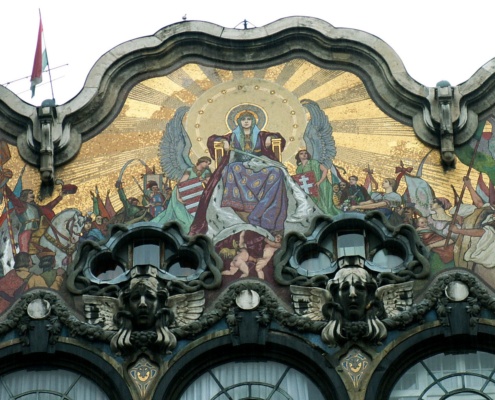
Don’t miss the stunning Turkish Bank House, a beautiful blend of Art Nouveau and national pride. The building features the captivating mosaic “Patrona Hungariae,” which portrays Hungary as a graceful woman surrounded by key historical figures. Designed by Lajta Béla, the structure showcases a mix of folk-inspired motifs and modern architectural materials. The Turkish Bank House stands as a tribute to Hungary’s rich cultural heritage and its architectural evolution.


Art Nouveau in Budapest-Thonet ház

Thonet House

Look up as you stroll down Váci utca!
Address: Váci utca 11
Architect: Ödön Lechner

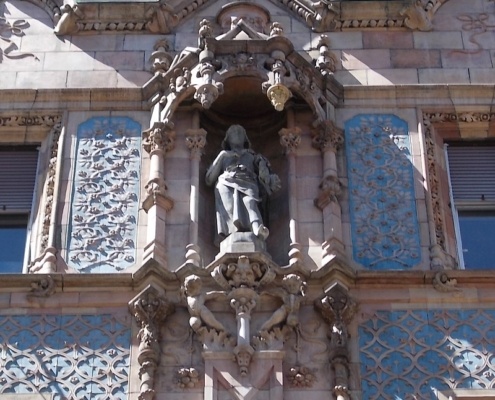
The Thonet House is one of Budapest’s hidden Art Nouveau gems. Designed by Ödön Lechner in 1889-1890 for the Thonet family, famous for their furniture, this building features a colorful majolica-tiled façade, a hallmark of Lechner’s work. The façade blends Gothic and Renaissance details with organic forms typical of Art Nouveau, creating a sense of fluidity and lightness. As you explore, you’ll spot decorative “T” motifs, a subtle nod to the Thonet brothers. The Thonet House perfectly captures the charm of late 19th-century Budapest, merging function with artistic flair.


Art Nouveau in Budapest

Paris Udvar Hotel (Párizsi Udvar)

Gothic and Moorish elements combined with Art Nouveau
Address: Ferenciek tere 10
Architect: Henrik Schmahl

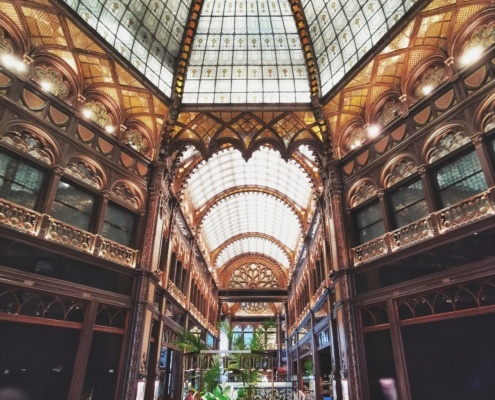
The Párizsi Udvar, completed in 1913, is a stunning fusion of Gothic, Moorish, and Art Nouveau styles. Located near the first Elizabeth Bridge, the building blends Venetian Moorish Byzantine flair with intricate craftsmanship. Recently restored, the building is now part of the Parisi Udvar Hotel, where visitors can marvel at its opulent arcade, complete with glass ceilings and lavish ceramic decorations. It’s an architectural wonder that offers a glimpse into Budapest’s eclectic beauty.


Art Nouveau in Budapest-Rumbach Synagogue

Rumbach Street Synagogue

15-minute walk from Paris Udvar Hotel, 2 minutes from the Dohány Street Grand Synagogue
Address: Rumbach Sebestyén utca 13
Architect: Otto Wagner

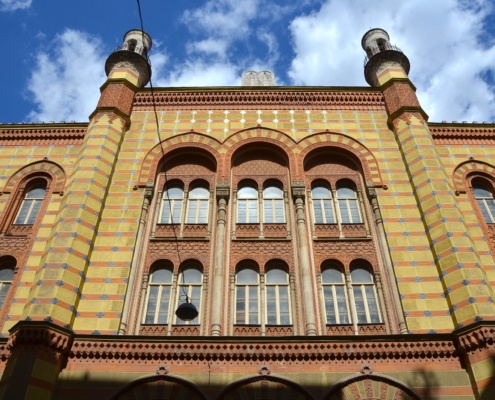
Designed by Otto Wagner, the Rumbach Street Synagogue is a must-see for anyone interested in Art Nouveau architecture. The building’s minaret-like towers and octagonal layout draw inspiration from both Spanish Alhambra and Jerusalem’s Dome of the Rock. It seamlessly blends Eastern and Western architectural influences, making it a significant piece of Budapest’s architectural heritage. If you want to discover the beautiful interior of this building, you can join a private Jewish District Tour.


Art Nouveau in Budapest-Kazinczy Synagogue

Kazinczy Street Synagogue

Located in the Jewish District, 8-minute walk from Dohány Street Grand Synagogue
Address: Kazinczy utca 29-31
Architect: Béla Lajta

This hidden Art Nouveau gem is one of Budapest’s finest examples of architectural beauty. The synagogue’s interior features stunning stained glass windows, Transylvanian wood-carved motifs, and luxurious Zsolnay porcelain inlays. The exterior, with its Torah inscription and delicate leaf-patterned ornamentation, is understated yet elegant. It captures the essence of Budapest’s Art Nouveau charm, blending cultural significance with architectural brilliance.


Art Nouveau in Budapest

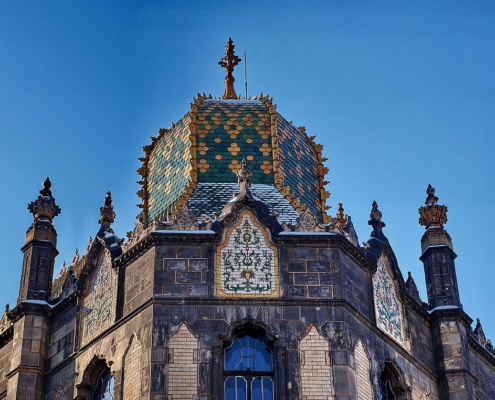
Museum of Applied Arts

Address: Üllői út 33-37
Architects: Ödön Lechner and Gyula Pártos

We had hoped to include the Museum of Applied Arts on this list, but for the past nine years, this iconic museum has been in a state of limbo due to financial constraints. Designed by Ödön Lechner, this masterpiece of Hungarian Art Nouveau has been closed, with its much-anticipated renovation halted mid-way. The stunning façade, featuring colorful Zsolnay tiles and intricate details, continues to capture the imagination of passersby, though the prolonged delays in its restoration raise concerns about preserving Hungary’s architectural heritage. Many hope that renewed funding will breathe new life into this exceptional piece of Budapest’s artistic legacy.


For More Art Nouveau in Budapest Join Our Daily Free Tours!

If you want to learn even more about Art Nouveau in Budapest, join our free walking tours! Our tours pass by several of these iconic structures, and you’ll have the chance to hear fascinating stories about the history and significance of this architectural style. Our knowledgeable guides will bring the beauty of Budapest’s Art Nouveau to life, and you’ll gain deeper insights into the city’s artistic heritage while exploring its charming streets. Whether you’re a traveler keen on architecture or an art lover, Budapest’s Art Nouveau gems offer a truly unique experience.

Discovering the 1956 Memorials in Budapest: A Journey Through History

Budapest is a city where the past and present coexist in harmony. As you walk through its streets, you’re constantly reminded of Hungary’s turbulent 20th century, with no memory more powerful than the 1956 Hungarian Revolution. Whether you’re visiting from abroad, living in Hungary, or connected to Hungarian heritage, these memorials offer a poignant glimpse into the nation’s courageous fight for freedom. Let’s take a journey through Budapest’s most significant 1956 memorials, where history is etched into every corner. 

Besides the exciting happenings and memorials in Budapest about the revolution, it is important to know that because of these historical events 23rd of October is a bank holiday in Hungary so you have to calculate some special opening times for the shops and museums. For more details ask your guide on our walking tours.
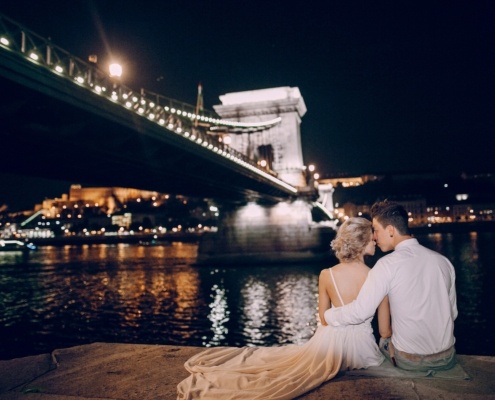
Our Favorite Memorials in Budapest about the Revolution:


Kossuth Square and the Hungarian Parliament

Next to the iconic Hungarian Parliament, Kossuth Square is a site steeped in history. On October 25, 1956, peaceful protests here ended in tragedy, marking one of the revolution’s darkest days, known as “Bloody Thursday.”

In Memoriam 25 October 1956 Memorial and Exhibition

  • Hours: 10:00 AM – 6:00 PM. Free entry.
  • Tip: Explore the entire square early in the morning to beat the crowds. The Parliament building itself is a Neogothic Revival masterpiece, perfect for photos.

Bronze Bullet Holes on the Former Agriculture Ministry: Tiny bronze markers on the ministry’s facade represent the bullets fired on that fateful day.

Water Basin Outside Parliament: At the basin’s edge, you’ll find an inscription from the New Testament: “We are persecuted, but not forsaken; struck down, but not destroyed.”


Corvin-1956-Memorials in Budapest

Corvin Passage – The Heart of the Uprising

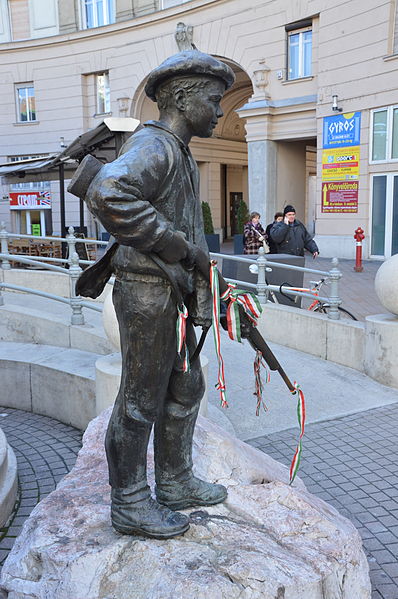
Corvin Passage (Corvin köz) is a symbol of resistance. It was here that the “Pesti srácok” (Boys of Pest) bravely fought against the Soviet forces, paying the ultimate price for freedom. A statue, unveiled in 1996, stands proudly outside Corvin Cinema, honoring these young heroes.

  • Tip: Reflect on the courage of those who fought here and the immense cost of Hungary’s independence.

The Imre Nagy Memorial

Imre Nagy, the reformist prime minister, is immortalized in a statue at Jászai Mari Square. In it, he gazes toward Parliament, symbolizing his vision for Hungary’s future. Nagy’s attempts to withdraw Hungary from the Warsaw Pact ultimately cost him his life.

  • For Hungarian descendants: This memorial is a powerful way to connect with your heritage and the values of independence and democracy that many fought for.

The 1956 Memorial on Bem Square

On the Buda side, Bem Square was the starting point of one of the revolution’s largest demonstrations. A sleek monument with a symbolic crack now honors the thousands who gathered here in solidarity on October 23, 1956.

  • Tip: After visiting, take a peaceful walk to nearby Margaret Bridge for some quiet reflection.


memorials in Budapest House of Terror

The House of Terror Museum

This museum, once the headquarters of both Nazi and Soviet secret police, offers a chilling insight into Hungary’s struggles under both regimes. Multimedia exhibits and basement prison cells provide an immersive experience of life under oppression.

  • What locals say: Even for those familiar with Hungary’s history, a visit to the House of Terror is deeply emotional. On October 23, admission is free, and visitors can light candles at the Heroes’ Wall to honor those who fought for freedom.

The Péter Mansfeld Memorial

The tragic story of Péter Mansfeld, one of the youngest martyrs of the 1956 Revolution, holds a special place in Hungary’s history. At only 15, he became involved in the fight for freedom and was arrested. Due to his young age, he was executed just days after turning 18 in 1959. The Péter Mansfeld Memorial in Buda is a simple yet powerful relief depicting him in youthful motion, symbolizing the stolen potential of those who fought for Hungary’s freedom.

  • Reflection: For locals and Hungarians abroad, Mansfeld’s story is a deeply personal reminder of how young lives were cut short by the repressive regime. His memorial reminds us of the enduring spirit of Hungary’s youth during the revolution.

The Tóth Ilona Memorial Bust at Semmelweis University

Tóth Ilona, a medical student and freedom fighter, was executed at just 24 after a fabricated trial by the Kádár regime. Her bronze bust at Semmelweis University stands as a tribute to her courage and the repression faced by intellectuals during the revolution.

  • Tip: Visiting the university offers a powerful connection to both Hungary’s history of resistance and the personal sacrifice of one of its brightest students.

Memorials in Budapest for Children Victims at Döbrentei Tér Playground

Integrated into a playground near the Elisabeth Bridge, this memorial is dedicated to the child victims of the revolution. Featuring small shoes and toys, it serves as a poignant reminder that even the youngest were not spared from the violence.

  • Family-friendly tip: This is a unique and reflective stop for those traveling with children, blending history with the present in a way that’s accessible to all ages.


Central Memorial of the 1956 Uprising in City Park

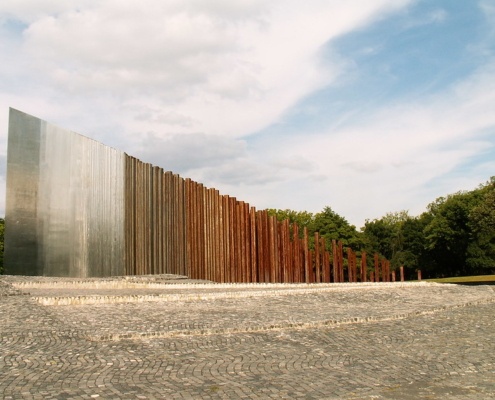
Rising from the ground, rusted iron pillars invite visitors to step into the heart of the memorial. The pillars represent unity, merging into a solid steel wedge that slices through the square, symbolizing the revolution’s strength in toppling the Stalinist regime.

  • Tip: After visiting, explore City Park and nearby attractions like Heroes’ Square and Széchenyi Baths to round out your day.

Plot 301 in Új Köztemető Cemetery

In Budapest’s largest cemetery, Parcels 300 and 301 are the final resting places of those executed after the 1956 revolution, buried in secrecy during the Kádár regime. Today, these parcels have been transformed into a memorial site, with identical headstones marking the graves of the executed.


The story of 1956 is not just about the past, but also a reminder of the resilience of the human spirit, the power of unity, and the enduring fight for justice. These memorials in Budapest are more than tributes to the fallen—they’re living history, inviting us all to remember, reflect, and carry forward the ideals they fought for.

Join our daily Free Budapest Walking Tours to discover more about the city and its heroes.

Fascinating Facts About Budapest for Data Lovers: A Traveler’s Guide

If you’re a data enthusiast with a love for travel, Budapest is the perfect destination for you! This city offers not only beautiful landmarks and history but also a treasure trove of statistics and quirky facts that will satisfy your curiosity. Whether you’re visiting for the stunning architecture or the thermal baths, there’s a lot to learn about Hungary’s capital. Let’s dive into some interesting facts about Budapest that might just make your trip even more fun!

Comparing Budapest with Other Capitals in Central Europe

Budapest, with a population of 1.7 million and covering 525 km², stands out in Central Europe. But how does it compare to its neighbors?

  • Vienna, Austria’s capital and largest city has a slightly higher population of 1.8 million but occupies a smaller area of 414.65 km². So, while Vienna is slightly more densely populated, Budapest spreads out a bit more, giving it a different city feel.
  • Prague, the capital of the Czech Republic, covers 496 km² and is home to around 1.24 million people. Budapest has a larger population and area than Prague, but both cities share rich histories and are popular with tourists for their stunning architecture and river views.
  • Bratislava, the capital of Slovakia, is smaller in every respect, covering just 367.6 km² with a population of 442,000. This makes Bratislava feel more like a compact, charming capital compared to the sprawling urban presence of Budapest.

When Was Budapest Born?

Budapest as we know it today was officially founded in 1873, when the cities of Buda, Pest, and Óbuda were unified. You can still feel the distinct vibes of these areas, with Buda offering hills with huge parks, and Pest boasting lively boulevards and nightlife.


How Many Districts Are There?

The city is divided into 23 districts, each with its own charm and personality. For instance:

  • District XVII (Rákosmente) is the largest in terms of area.
  • District VII (Erzsébetváros) is the smallest, but don’t let its size fool you—this district is packed with ruin bars and cool spots to hang out! Here, you’ll find the famous Jewish District, home to the largest synagogue in Europe, along with the most creative street art murals and other urban art.
  • District XI (Újbuda) has the highest population, offering a blend of modern life with green spaces and trendy cafés. Competing with Berlin’s Neukölln and Copenhagen’s Vesterbro, Újbuda stands out for its cultural diversity, strong community, and dynamic culinary scene on the Buda side of the city. Just cross the green Liberty Bridge from Pest to Buda and start walking along Bartók Béla Boulevard all the way to Móricz Zsigmond körtér.

The Highest and Lowest Points

Love hiking or admiring views from above? The highest point in Budapest is János Hill, which stands at 527 meters. Take a ride on the Libegő (Chairlift) for a scenic view of the city. On the other hand, the lowest point is the surface of the Danube River, just 96 meters above sea level.
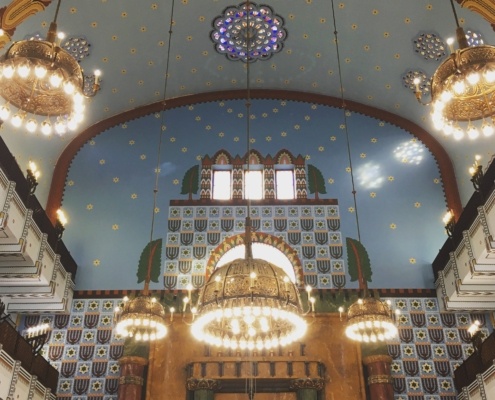
Budapest’s Bridges

Budapest is split by the Danube, and it’s connected by 11 bridges. Some of the most famous include:
  • Chain Bridge (Széchenyi Lánchíd): The first permanent bridge connecting Buda and Pest. When you visit Budapest, you’re very likely to cross it on foot from Pest to Buda or vice versa while walking up Buda Castle Hill or visiting the Shoes on the Danube Memorial.
  • Liberty Bridge (Szabadság híd): Known for its green color, this bridge is a favorite spot for locals to sit and enjoy the sunset. Here, you’ll find love padlocks and a Kolodko mini statue of Franz Joseph lying in a hammock. It’s also common to cross this bridge on foot to reach the Great Market Hall from the Buda side or to visit Gellért Hill and the Citadel.


Tram 2: The Most Scenic Ride

If you’re into data and love sightseeing, hop on Tram 2, often touted as one of the most beautiful tram rides in the world! This line runs along the river, offering views of iconic landmarks like the Parliament Building and Buda Castle. Just make sure you buy your tickets and validate them on board. If you wish to travel back and forth on the tram, you need to validate another ticket to avoid paying a fine. It’s no wonder that this line has the most ticket inspectors.

Public Transportation by the Numbers

Budapest’s public transportation network is vast and efficient. Every day, 2,300 vehicles are in operation, serving the city’s 4,631 stops, where passengers board approximately 3.3 million times. The iconic 4 and 6 trams, which run almost nonstop, are used 330,000 to 350,000 times on an average workday, making them some of the busiest tram lines in Europe. The city’s fleet includes:

  • 1,200 buses
  • 110 trolleybuses
  • 320 trams
  • 75 metro trains
  • 2,260 public city bicycles, for those who want to explore the city on two wheels!


Tallest and Oldest Buildings

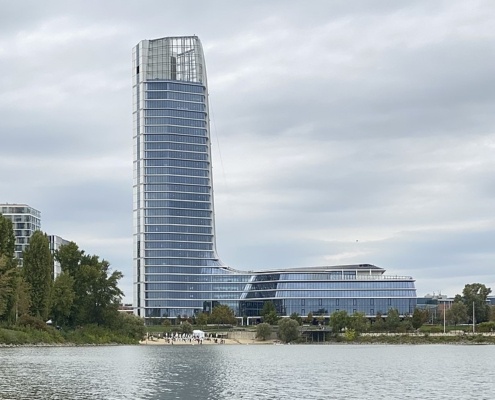
Budapest’s skyline is evolving with the addition of the MOL Campus, which, at 120 meters (143 meters including the spire), is now the tallest building in the city. In contrast, if you love ancient architecture, check out the Vörös Sün House, located on Buda Castle Hill just opposite the Budapest Hilton Hotel. This building dates back to around 1260 and is one of the oldest structures still standing in the city.

The Biggest and Narrowest

You’ll find contrasts all over Budapest, but none as stark as the “Faluház” in Flórián Square (District III), a massive 885-apartment building that houses about 3,000 people. For something on the opposite end of the spectrum, check out Hegedűs Köz  (District I), the city’s narrowest street located in the Tabán neighborhood—perfect for a quirky Instagram shot!

Longest Road: Üllői út

If you’re a road trip fan, you might enjoy knowing that Üllői út is Budapest’s longest road, stretching for 15 kilometers. This road connects the heart of Budapest to the city’s outskirts, giving you a chance to see how the landscape transitions from urban hustle to quiet suburbs.

Budapest: A City of Hot Springs

Budapest sits on a massive network of hot springs, which is why it’s known as the “City of Spas”. There are 123 thermal springs beneath the city, supplying 70 million liters of therapeutic water daily! The Széchenyi Thermal Bath is one of the largest spa complexes in Europe, and a visit here is a must for every traveler.

Underground Secrets: The Metro

Data lovers might be intrigued to know that the Budapest Metro is one of the oldest in the world! Line M1 (the “Millennium Underground”) was opened in 1896 and is now a UNESCO World Heritage site. It’s also one of the quirkiest metro systems, with its small, yellow trains zipping through shallow tunnels beneath the city.


The Ruin Bar Revolution

Budapest is famous for its ruin bars, and quirky drinking spots housed in abandoned buildings, courtyards, and factories. The most iconic one is Szimpla Kert in District VII. These eclectic spaces are decorated with mismatched furniture, and graffiti, and often have vintage finds and old data devices hanging around—perfect for the curious traveler!

Math and Magic at the Parliament

Here’s a fun numerical fact: Budapest’s Parliament Building is home to 691 rooms and is 96 meters high—symbolizing 896 AD, the year the Magyar tribes first settled in the region. Data lovers will appreciate the symmetry and historical nod in these figures!

Nobel Prize Winners Born in Budapest

Budapest is proud to be the birthplace of seven Nobel Prize winners, including Imre Kertész, Szentgyörgyi Albert, Békésy György, Gábor Dénes, Oláh György, and Harsányi János. Their contributions to literature, medicine, and science highlight the city’s rich intellectual legacy.

Join Our Daily Free Tours in Budapest!

Discover the heart and soul of Budapest through our daily Free Budapest Walking Tours! While the internet is a treasure trove of information, there’s nothing quite like experiencing the city through the eyes of local guides who were born and raised here. Our passionate guides share not just facts, but stories and insights about the past and present that you won’t find online.

Whether you’re intrigued by the rich history of Buda Castle, curious about the significance of the Ruin Bars, or eager to understand the cultural nuances of the city, our tours provide a unique opportunity to delve deeper into Budapest’s vibrant life. Join us to learn about hidden gems and local legends, and connect with the city on a personal level.

The Green Side of The City: Best Hills to Hike in Budapest

Do you love being close to nature? If so, you’ve come to the right place! Budapest is a city that beautifully blends urban living with lush greenery. From rolling hills and serene islands to tranquil parks and botanical gardens, the Hungarian capital offers a variety of natural escapes right within the city. If you feel like you need a little break from the urban atmosphere of the city, we recommend a couple of hills to hike in Budapest.

Whether you enjoy walking, running, cycling or prefer lazy picnics and sunbathing, Budapest has something for everyone. Explore its hills, public parks, peaceful squares, and nature reserves, all waiting to be discovered. Get ready to fall in love with a city where nature and culture coexist harmoniously.

We’ve selected three hills in Budapest that are easily accessible by public transportation from the downtown area. Perfect for hiking, picnicking, sightseeing, and simply enjoying nature. So without further ado let’s see our:

Favorite Hills to Hike in Budapest:


Sas-hegy: A Hidden Gem

Introduction: Sas-hegy is a protected nature reserve covering about 30 hectares (approximately 74 acres). It was designated as a protected area in 1958 due to its unique flora, fauna, and geological features.

Key Features: Sas-hegy is renowned for its rich biodiversity, home to over 1,000 plant species, including rare and endangered ones like Hungarian thyme and various orchids. The area also supports a diverse range of wildlife, including lizards, butterflies, and birds. This unique ecosystem makes Sas-hegy an important site for conservation.

Activities: Visitors can explore the educational trail, which provides insights into the hill’s natural history, flora, and fauna. Guided tours are also available, making it a great spot for nature lovers and families. Sas-hegy offers a peaceful retreat from the bustling city, with opportunities for hiking, birdwatching, and enjoying nature.

Accessibility: Sas-hegy is easily accessible by public transport or car from the city center. The hiking trails are well-maintained, making it an ideal destination for a half-day trip.


Normafa and János-hegy: The nr 1. Hike in Budapest

Introduction: Normafa is one of Budapest’s most popular outdoor destinations, known for its beautiful walking trails and rich history. Together with János-hegy (János Hill), the highest point in Budapest, this area offers unparalleled views and a rich natural environment.

Key Features: This area offers picturesque views of Budapest, especially at sunrise and sunset. The panoramic vista includes the entire city, the Danube River, and the surrounding hills. Visitors can also enjoy local treats like strudel, coffee, and hot chocolate at the various cafés and food stalls, especially after a refreshing walk or hike.

Activities: Normafa is famous for its extensive network of walking and hiking trails, suitable for all fitness levels. In the winter, it becomes a hub for winter sports, including sledding and cross-country skiing. The area is also popular with runners and Nordic walkers who enjoy the fresh air and scenic routes.

Accessibility: You can reach the top of the hill via the Children’s Railway or the chairlift (Libegő), adding a unique experience to your visit


Hármashatár-hegy: For the Adventurous Spirit

Introduction: Hármashatár-hegy is a haven for outdoor enthusiasts, known for its challenging trails and expansive natural areas. The hill, which translates to “Three Border Mountain,” got its name from the point where the borders of three towns—Óbuda, Pesthidegkút, and Hűvösvölgy—once met. At 495 meters (1,624 feet), it is one of the highest points in Budapest. During World War II, anti-aircraft positions were established here to protect the capital from enemy air attacks. After the war, these bunkers remained as scars on the landscape, but authorities have since transformed some into scenic viewpoints.

Key Features: Hármashatár-hegy is rich in natural beauty, with forests, meadows, and rocky outcrops that host a variety of plant and animal species. The diverse landscape provides a habitat for many birds, insects, and small mammals. The hill offers spectacular views as a reward for those who make the climb.

Activities: It’s a popular destination for hiking and cycling, with trails that cater to all levels of difficulty. Hármashatár-hegy is also a favored spot for paragliding, thanks to its elevation and expansive views.

Accessibility: The easiest way to reach Hármashatár-hegy by public transport is to take the suburban train (HÉV) from Batthyány Square to Hűvösvölgy, then bus 65 or 65A to the Hármashatárhegy stop. From there, you can comfortably walk to the “mountain peak” in about 20 minutes.


Whenever you’re in Budapest, be sure to include these natural escapes in your itinerary, whether you’re seeking adventure, relaxation, or stunning views a quick hike in Budapest is always a good idea.

Join our daily Free Budapest Walking Tours, where our guides can provide in-depth knowledge and help you discover these hidden gems and green spaces.