Tag Archive for: long weekend

Budapest October 23: 70th Anniversary Guide, What’s Open & Events

Every year on October 23, Budapest comes to a standstill. Flags with a hollow circle cut cleanly from their center flap along grand boulevards, candles flicker on street corners, and the nation stops to honor the thirteen days in 1956 when Hungarian citizens shook the foundations of the Soviet empire.

If you are visiting Budapest on or around October 23, here is what happened, why the date carries such emotion, and how to navigate the city as a traveler.

Budapest October 23: What Travelers Need to Know

Holiday Status

Official national holiday commemorating the 1956 Revolution and the 1989 Republic Day.

Shops & Malls

Supermarkets, banks, and major retail chains are generally closed for the national holiday.

Dining & Bars

Most restaurants, cafés, bakeries, and bars in the central districts remain open, particularly in Districts V, VI and VII.

Public Transit

Public transport operates on a Sunday/holiday schedule, with possible road closures around Parliament during official ceremonies.

Free Access

Some state-run museums and special attractions may offer free admission as part of the national holiday programme. Check the official schedule before visiting.

Atmosphere

Expect official morning ceremonies, family programmes, concerts, historical events and special evening activities around the city.
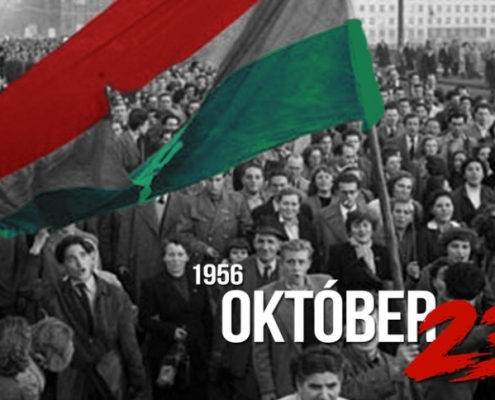
Budapest October 23 - The 23rd of October is a national holiday in Hungary commemorating the beginning of the 1956 revolution against the Communist regime

The 1956 Revolution: The 60-Second History

By 1956, Hungarians had endured a decade of Stalinist terror under Mátyás Rákosi and the ÁVH secret police. The spark ignited on the afternoon of October 23, when university students held a peaceful solidarity march demanding free elections, basic human rights, and the withdrawal of Soviet troops.

By nightfall, 200,000 citizens had flooded the streets:

  • The Toppled Tyrant: Protesters cut the Stalin monument down at City Park (Városliget), dragging only his hollow bronze boots through the boulevards.
  • The Flag with the Hole: Marchers cut the Soviet communist coat of arms out of the Hungarian tricolor, inventing the enduring symbol of Hungarian freedom.
  • The First Shots: When crowds gathered outside the Hungarian Radio building on Bródy Sándor utca to broadcast their demands, the ÁVH fired into the unarmed crowd. Peaceful protest turned into armed rebellion overnight.

For twelve days, factory workers, teenagers (“the kids of Pest”), and defecting soldiers fought Soviet armor with hunting rifles and Molotov cocktails. A reform government led by Imre Nagy announced Hungary’s withdrawal from the Warsaw Pact and declared national neutrality.

Operation Whirlwind: On November 4, 1956, Moscow launched a brutal counter-assault with over 1,000 tanks and 60,000 troops. Resistance was crushed street by street in working-class bastions like Corvin köz and Csepel.

  • The human cost: Around 3,000 Hungarians died, 20,000 were wounded, 22,000 were imprisoned, and Imre Nagy was executed in secret in 1958.
  • The Exodus: Roughly 200,000 Hungarians (nearly 2% of the country) fled across the border into Austria, permanently scattering families across the globe.
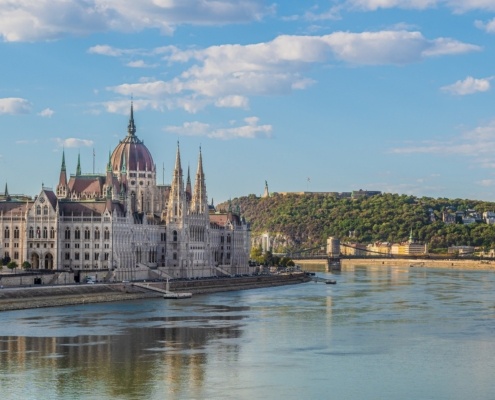
Budapest October 23

October 23 Anniversary: Key Sights & Schedule

For visitors spending Budapest October 23 in the city, the official commemorations offer a rare opportunity to experience Hungarian history as part of everyday public life.The city hosts public ceremonies retracing the historic events of 1956:

  • October 22 (Eve), ~16:30 – The Historic Torchlight March: The commemorations open the evening before October 23. Around 16:30, thousands carry flaming torches along the Buda embankments from the Technical University (Műegyetem) directly north to Bem József tér, retracing the original 1956 student route. Anyone can watch or join along the river.
  • 07:30 – Flag-Raising at Kossuth Lajos tér: Military honors and the raising of the national flag outside the Hungarian Parliament.
  • 10:00 to 18:00 – Free Entry to the House of Terror Museum (Andrássy út 60): Free admission all day to the former ÁVH headquarters. Visitors line the exterior “Wall of Heroes” with hundreds of memorial candles.
  • 15:00 to 20:00 – Parliament Free Open Day: Walk through the Grand Staircase, Dome Hall, and view the Hungarian Holy Crown without admission fees (arrive early to avoid long queues).
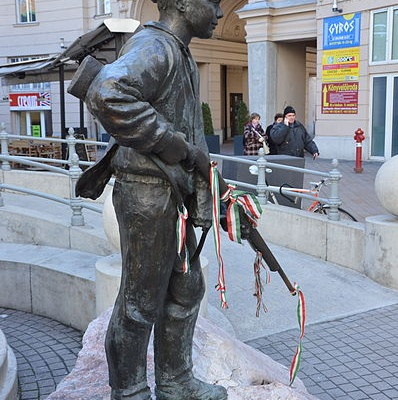
Budapest October 23

6 Sites in Budapest Where You Can Still Touch 1956 History

  1. In Memoriam 1956 Memorial & Underground Exhibition (Kossuth Lajos tér): While the Ministry of Agriculture’s exterior bullet-scarred facade across from Parliament is currently behind scaffolding, head underground on the south side of Kossuth Square. A sunken memorial tunnel leads to the In Memoriam 1956 exhibition, built directly beneath the site of the tragic “Bloody Thursday” massacre of October 25, 1956. Entry is completely free, offering an evocative, multimedia look at the events through archival footage, survivor accounts, and artifacts recovered from the square.
  2. Corvin köz & the Pest Boy Statue: This alleyway curved around the Corvin Cinema was the stronghold where young street fighters held off Soviet tanks for over a week. A bronze statue of an armed teenage insurgent stands guard today.
  3. House of Terror (Terror Háza): The basement labyrinth served as the real detention and torture cells of the communist ÁVH secret police.
  4. The Relocated Imre Nagy Statue (Jászai Mari tér): The moving bronze monument depicts the martyr prime minister standing on a bridge, looking toward the Danube.
  5. The István Bibó Memorial (Kossuth tér): Honoring the lone cabinet minister who refused to flee the Parliament building as Soviet tanks surrounded it on November 4, typing out a defiant proclamation to the world.
  6. Memento Park: On Budapest’s southwestern edge, explore where the gigantic statues of Lenin, Marx, and the replica of Stalin’s empty boots now rest in ideological retirement.
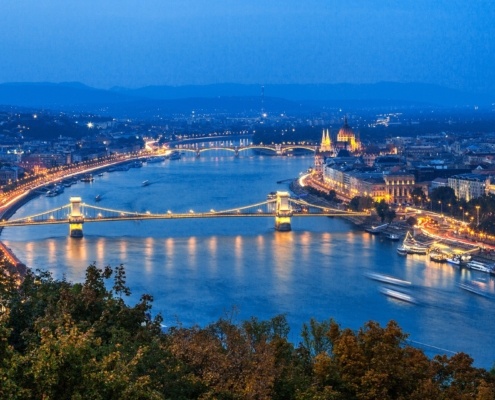
Budapest October 23

Frequently Asked Questions

Are shops and restaurants open in Budapest on October 23?

Supermarkets, banks, and major retailers are closed for the national holiday. However, most restaurants, cafés, independent bakeries, and ruin bars in the city center remain open.

Are the thermal baths open on October 23?

Yes. Széchenyi, Rudas, and Lukács Baths remain open on October 23, operating on weekend/holiday schedules and pricing.

Can tourists watch the October 23 commemorations?

Yes, all outdoor ceremonies, including the flag-raising at Kossuth Lajos tér and the evening torchlight procession across the river, are completely open and free to the public.


Connect the Past with the Present on Foot

You can walk past these historic facades every day without realising which walls were chipped by artillery shells or which alleyways hid teenage resistance fighters. Whether you are interested in history or simply exploring the city, Budapest October 23 gives you a different perspective on places you might otherwise pass without knowing their story.

Join our guides on the daily Trip to Budapest Free Walking Tours. We bring the dramatic story of 1956 to life right where it happened—connecting the bullet scars on Pest’s grand facades with the living spirit of modern Budapest.
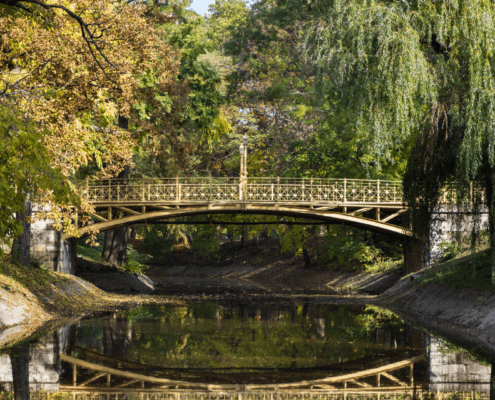
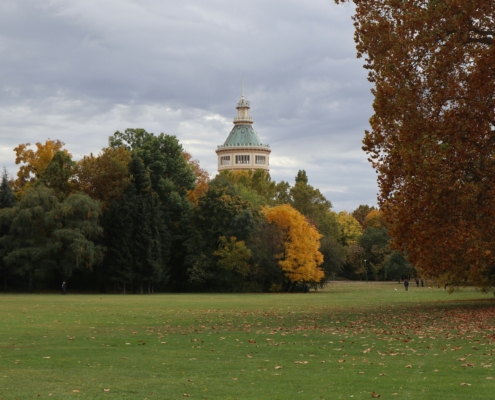
Budapest Autumn Colors: A Local Guide to the Best Fall Foliage Spots

A Local’s Guide to Budapest’s Autumn Colors: Margaret Island, City Park & Gellért Hill

While summer brings festival buzz and winter delivers fairytale Christmas markets, autumn gives Budapest a quiet, golden makeover. Between early October and mid-November, the Hungarian capital trades its humid heat for crisp air, copper-toned hillsides, and tree-lined avenues glowing under the low Central European sun.

 If you’re looking for the best Budapest autumn colors, these are the places we’d recommend exploring first — from peaceful island paths to panoramic hillsides and historic castle streets.


Quick Guide: Budapest Fall Foliage at a Glance

Location Best For Peak Foliage Window Top Photo Tip
City Park (Városliget) Fairytale architecture & golden canopy walks Mid to late October Frame Vajdahunyad Castle through turning oak and willow boughs (lake is drained after Sept 13 for ice-rink prep)
Margaret Island (Margitsziget) Canopy walks & Japanese Garden Mid-October to early November Red maples in the Japanese Garden and the London plane tree central promenade
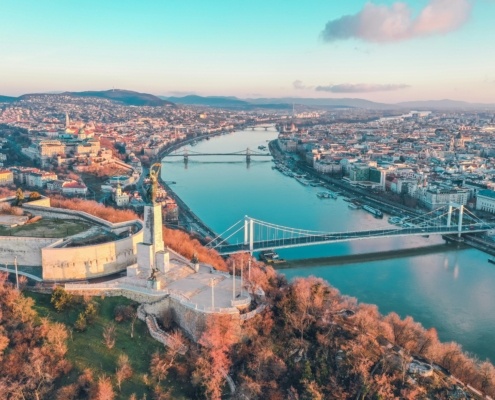
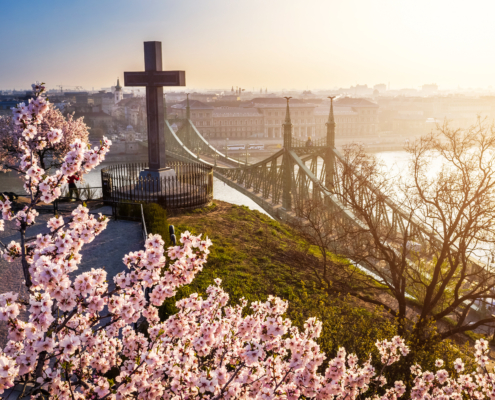
Gellért Hill Panoramic views over the Danube Late October to early November Forested mid-slope trails framing Liberty Bridge (and the open Citadella plaza at the peak)
Buda Castle (Tóth Árpád Sétány) Romantic ramparts & pastel villas Mid to late October Double row of ornamental sour cherry trees turned copper and amber against the city walls

The best Budapest autumn colors usually appear from mid-October to early November, with each of these locations offering a slightly different way to experience the season.


active travel in budapest - city park - Budapest Couples Experiences - Opera - patrycja-mancewicz-mDkrebpYQPQ-Budapest autumn colors

1.  City Park(Városliget): Fairytale Castles & Amber Canopies

City Park is Budapest’s grand urban playground, and in autumn, it looks straight out of a storybook.

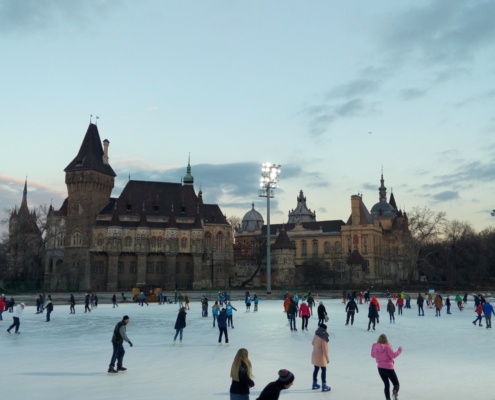
The absolute highlight here is Vajdahunyad Castle, an eclectic fortress built in 1896 that blends Romanesque, Gothic, Renaissance, and Baroque architectural styles. In October, the surrounding ancient willow, plane, and oak trees turn deep reds, golds, and burnt orange.

  • Where to walk: Wander through the atmospheric inner courtyards of Vajdahunyad Castle and along the tree-lined promenades flanking the castle perimeter. Continue past the castle toward the sweeping green roof garden of the Museum of Ethnography for elevated views across the vibrant park canopy.
  • Important lake notice: Boating season ends and the lake closes around mid-September (usually by September 13). The basin is drained early so crews can begin the weeks-long transition to prepare the concrete base for the winter ice rink (Városligeti Műjégpálya). If you visit during peak foliage in October, expect a dry lake bed—so focus your camera upward to frame the Gothic spires and turrets through the turning autumn leaves instead.
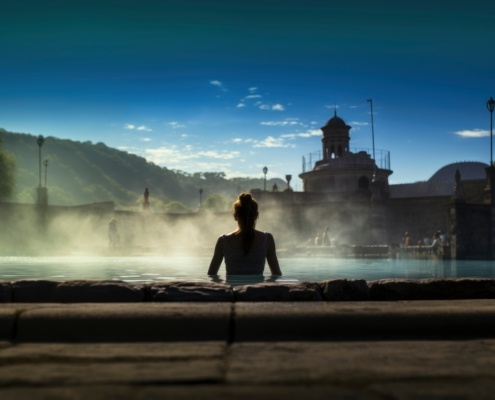
  • Local tip: Pair your autumn stroll with an afternoon soak in the outdoor thermal pools of Széchenyi Baths, located right at the edge of the park. Soaking in 38°C (100°F) mineral water surrounded by steam and yellow leaves is a classic Budapest experience.

balint-miko-sL0wA0jjDsI-unsplash - Budapest autumn colors

2. Margaret Island (Margitsziget): Golden Alleys & Quiet Gardens

Margaret Island is one of our favorite places to experience Budapest autumn colors without the noise and traffic of the city centre. Floating peacefully in the middle of the Danube between Buda and Pest, Margaret Island is completely car-free—making it the cleanest, quietest place in central Budapest to experience the change of seasons.

The island’s grand central promenade is flanked by massive, hundred-year-old plane trees that drop carpets of crisp golden leaves across the paths.

  • The Japanese Garden: Head to the northern tip of the island to explore the Japanese Garden. The weeping willows, wooden footbridges, lotus ponds, and Japanese maples turn fiery shades of crimson in late October.
  • Franciscan Church Ruins: Tucked among horse-chestnut trees near the center of the island, these 13th-century Gothic stone arches framed by autumn branches create moody, atmospheric photo compositions.
  • How to explore: Rent a 4-wheel pedal car (bringóhintó) or a bike at the southern entrance near Margaret Bridge to cruise underneath the autumn canopy.

best time to visit Budapest - patrycja-mancewicz-mDkrebpYQPQ-Budapest autumn colors

3. Gellért Hill: Forested Trails & Panoramic River Vistas


Rising sharply on the Buda riverbank, Gellért Hill gives you sweeping views over the Danube and the bridges—framed by densely wooded slopes.

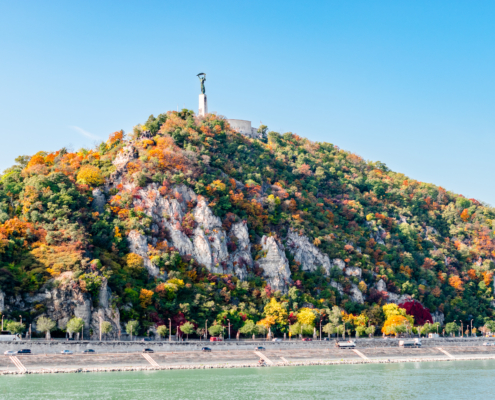
The long-term reconstruction of the Citadella fortress and hilltop park is complete, so you can walk right up to the Liberty Statue for wide 360-degree views (even if locals often complain over a drink about the heavy, modern concrete design).

However, the true magic for autumn foliage lies on the way up through the zig-zagging footpaths along the northeastern slope:

  • The Philosopher’s Garden (Filozófusok Kertje): A quiet plateau on the northern side of Gellért Hill featuring bronze statues and peaceful benches under sweeping chestnut trees, overlooking Buda Castle and the river below.
  • Liberty Bridge Viewpoint: Midway up the paved trail from the foot of Liberty Bridge, clearings in the amber foliage offer dramatic, direct angles of the green iron bridge connecting Buda to Pest.
  • Best time to visit: Late afternoon. The low golden hour sun strikes the Pest bank directly across the river, highlighting the Parliament building while the hillside trees glow in warm copper hues. Late October is also when the Budapest autumn colors around Gellért Hill are at their most impressive, particularly in the late afternoon when the low sunlight hits the trees and the river below.

balint-miko-sL0wA0jjDsI-unsplash - Budapest autumn colors

4. Hidden Gem: Tóth Árpád Sétány in the Castle District

Famous in spring for its canopy of pink blossoms, the Tóth Árpád Sétány promenade running along the western ramparts of Buda Castle is equally breathtaking in autumn. For a quieter take on Budapest autumn colors, Tóth Árpád Sétány is hard to beat, combining colorful trees, historic buildings, and wide views over the Buda Hills.

The double row of ornamental sour cherry trees turns shades of copper, amber, and deep burnt orange in late October. As you stroll past historic pastel-painted villas and old gas lamps, you look out across the Buda Hills as the entire residential valley shifts into autumn colors. It is just a short 5-minute walk from Fisherman’s Bastion and Matthias Church.


When Do Budapest Autumn Colors Peak?

  • Early October: Trees remain mostly green, with hints of yellow beginning along the higher ridges of the Buda Hills. Mild, sunny walking weather.
  • Mid-October to Late October (Peak): The prime two-week window. Margaret Island, City Park, and Castle Hill turn rich shades of amber, bronze, and red. Ideal conditions for photography.
  • Early to Mid-November: Leaves begin dropping quickly, carpeting cobblestones and parks with crisp foliage. Days turn brisk (10°C to 12°C / 50°F to 54°F), and morning mist over the Danube adds a moody, romantic feel.

Frequently Asked Questions

When is peak autumn foliage in Budapest?

Peak autumn foliage in Budapest occurs between mid-October and early November. Late October is the prime window when trees turn vibrant gold, amber, and deep orange across Margaret Island, City Park, and the Buda Hills.

Where are the best spots to see fall colors in Budapest?

The best locations include Margaret Island for quiet London plane tree canopy walks, City Park around Vajdahunyad Castle for golden canopy walks, the forested footpaths of Gellért Hill overlooking Liberty Bridge, and Tóth Árpád Sétány in the Castle District.

Is Budapest pretty in autumn?

Yes, Budapest is exceptionally scenic in autumn. Crisp air, low golden afternoon light, and turning deciduous trees frame the city’s grand architecture along the Danube without the suffocating summer heat or crowds.

Is the Citadella on Gellért Hill open to visit?

Yes, the restored Citadella fortress and its surrounding hilltop park are open, offering wide 360-degree views of the Danube and Pest, though the most scenic autumn foliage is found along the winding forested trails leading up the slope.


Experience Budapest’s Golden Season on Foot

Autumn is our guides’ favorite time of the year to explore. The cobblestone streets are quieter, the midday heat is gone, and the city’s architectural secrets look stunning under golden skies.

Join us on our daily Trip to Budapest Free Walking Tours. Let our passionate local guides show you Buda Castle’s ramparts, Pest’s grand boulevards, and the hidden courtyards of the historic Jewish District.

Visiting Budapest in September: Weather, Crowds & Tips

If you caught our guide to the Best Time to Visit Budapest, you know we rank shoulder season right at the top. Visiting Budapest in September offers a very different experience from the peak summer months. While July and August bring festival energy, they also bring punishing 35°C (95°F) heatwaves and crowded pavements.

September is the sweet spot. The peak summer rush drops off, the scorching tarmac cools down, and the city settles into long, golden afternoons perfect for exploring on foot.


Key Takeaways: September at a Glance

Metric September Average What It Means for You
Daytime Highs 22°C – 24°C (72°F – 75°F) Ideal walking conditions; no suffocating mid-day heat
Nighttime Lows 12°C – 14°C (54°F – 57°F) Crisp evenings; light jacket or sweater required
Rainfall ~40 mm across 6 days One of the driest, most predictable months of the year
Crowd Levels Moderate (Shoulder season) Shorter attraction queues, easier viewpoints
Vibe Golden hour light, harvest wine festivals, outdoor terraces Authentic city feel as locals return from summer break

visiting Budapest in September how many days in Budapest

Is Budapest Weather Good in September?

Yes, September offers some of the most reliable and comfortable weather of the entire year in Budapest.
The city escapes the heat traps of mid-summer, when the concrete along Pest radiates warmth well into the night. Instead, you get comfortable, sun-drenched afternoons averaging 22°C to 24°C and crisp, breezy evenings dipping to around 12°C.

With only about 6 days of scattered, light precipitation, rain rarely disrupts travel plans. You will enjoy roughly 12 hours of daylight—giving you plenty of time to climb Castle Hill, cross the Chain Bridge, and sit out at an open-air terrace without breaking a sweat.

What to pack:

  • Comfortable walking shoes broken in for historic cobblestones.
  • Breathable layers (T-shirts, light cotton, or linen) for daytime sunshine.
  • A denim jacket, light cardigan, or trench coat for night strolls along the Danube.

visiting Budapet in September Trip with Friends in Budapest - hidden gems in Budapest - Budapest Citadel

How Busy Is Budapest in September?

One of the biggest advantages of visiting Budapest in September is that the city generally feels less intense than during the busiest summer weeks. September sees a sharp drop in mass tour groups and peak European holiday traffic once the school year resumes.

  • Attractions & Sightseeing: Major landmarks like the Hungarian Parliament Building, St. Stephen’s Basilica, and Fisherman’s Bastion are noticeably calmer. While advance booking is still wise for interior Parliament visits, you will not have to jostle through wall-to-wall crowds at Castle District viewpoints.
  • Thermal Baths: Summer sees outdoor recreational lidos (like Palatinus Strand on Margaret Island) packed with families. In September, the city’s historic thermal baths—such as Széchenyi, Rudas, and Lukács—return to a tranquil, restorative pace. (Note: Gellért Thermal Bath is currently closed for major renovation.) Because Hungarian public health regulations do not permit children under 14 into medicinal thermal waters, these pools stay quiet and adult-focused year-round. Soaking in an outdoor 38°C (100°F) mineral pool feels infinitely better in crisp 18°C air than under the blazing August sun.
  • Ruin Bars & Dining: The Jewish Quarter’s nightlife remains energetic, but getting a table at outdoor courtyards and open-air bistros on Kazinczy, Dob, and Ráday streets no longer requires weeks of planning.

Visiting Budapest in September Liberty Bridge daniel-olah-TbU9iOkSzcs-unsplash

3 Reasons September Beats Summer and Winter

  1. Walking is actually enjoyable

    Budapest is best discovered on foot. Climbing up the stairs from the Danube embankment to Fisherman’s Bastion or hiking the forested paths of Gellért Hill in 35°C August heat is exhausting. In September, pleasant temperatures turn our 2.5-hour walking tours through historic Pest and Castle Hill into an effortless stroll.

  2. Harvest season and the Budapest Wine Festival

    September marks the start of the Hungarian grape harvest. Early in the month, the terraces of Buda Castle host the Budavári Borfesztivál (Budapest Wine Festival), where top vintners from Tokaj, Villány, and Eger pour tastings against panoramic views of the Danube and Parliament.

  3. The iconic “golden hour” light

    Photographers love September in Central Europe. The lower angle of the early autumn sun casts an amber glow across the Neo-Gothic spires of Parliament and illuminates the bridges crossing the Danube, making evening walks along the Pest Promenade unforgettable.


Frequently Asked Questions about Visiting Budapest in September

Can you still do outdoor activities in Budapest in September?

Yes. Danube evening cruises, open-air walking tours, Margaret Island cycling, and courtyard ruin bars (such as Szimpla Kert) remain vibrant and fully operational throughout the month.

Which thermal baths are open in September, and can kids visit?

Most historic baths—including Széchenyi, Rudas, and Lukács—are open daily year-round. Gellért Thermal Bath is currently closed for a comprehensive renovation. By Hungarian regulations, children under 14 are not permitted in medicinal thermal pools due to high temperatures and mineral concentrations. Families traveling with younger children should head to the recreational swimming and adventure pools at Palatinus Strand on Margaret Island.

How does September compare to October?

September is warmer, drier, and retains full outdoor terrace culture. By mid-October, daylight hours shrink noticeably, morning temperatures routinely drop into single digits Celsius, and rain becomes more frequent.


Discover the City on Foot This Autumn

If you’re visiting Budapest in September, exploring the city on foot is one of the best ways to make the most of the cooler weather and softer autumn light. You can uncover Budapest’s layered history, architectural details, and hidden courtyards effortlessly alongside an experienced local guide.

Join us on our daily Trip to Budapest Free Walking Tours—we will share the hidden corners of the Jewish Quarter, the grand boulevards of Pest, and the royal stories of Buda Castle in the finest walking weather of the year.


Budapest with Toddlers: What Actually Works (2026)

Planning a trip to Budapest with toddlers and young children? You’re not alone — and you’re not crazy. Budapest is one of the most family-friendly capitals in Europe, but only if you know where to go, what to skip, and how to pace the day. Here’s our honest, on-the-ground guide from people who walk these streets every single day. Exploring Budapest with toddlers can be surprisingly easy when you focus on parks, playgrounds, and flexible daily plans instead of rushing between attractions.

Keep the mornings slow

Children under 6 do not want to see Parliament before breakfast. Trust us. The best Budapest mornings for families start gently — a coffee for the adults, a pastry from a local bakery, and a slow walk to a park or open square where little ones can run freely. Városligeti (City Park) is perfect for this: wide open spaces, a small lake, ducks, and playgrounds, all within walking distance of Heroes’ Square.

budapest with toddlers Margaret Island

Margaret Island is your best friend

If there is one place in Budapest purpose-built for young children, it’s Margaret Island. For many families visiting Budapest with toddlers, Margaret Island becomes the favourite place in the entire city. No cars, wide pedestrian paths, a musical fountain, a small zoo area, a splash pad in summer, and plenty of grass. Kids can roam freely, and parents can breathe. Take bus 26 from Nyugati (Western Railway Station) directly to the island.

Skip the long museum visits

Budapest has world-class museums, and you’ll visit them on your next trip — without the kids. With children under 6, indoor cultural visits are generally a losing battle. The exception: the Budapest Zoo (Fővárosi Állatkert) in City Park, which genuinely delights young children and is easily combined with a walk around Vajdahunyad Castle next door.

budapest with toddlers Palatinus

Thermal Baths in Budapest with Toddlers

Budapest’s famous thermal baths are not all child-friendly. Most historic baths, including Széchenyi and Rudas, have age restrictions and don’t allow young children in the thermal pools. If you want to experience the bath culture with kids under 14, Palatinus Baths on Margaret Island is the right choice — it’s an outdoor complex with pools, slides, and a relaxed family atmosphere, perfect for a hot summer afternoon.

budapest with toddlers

A note on playgrounds in Gellért Hill

If you’re touring with little ones who need a break, Gellért Hill is your best friend — and it’s closer than you think. There are three fantastic playgrounds on the hill, all renovated and free to use. Our favourite for under-5s is the Slide Park playground, just a 3-minute walk from the Cave Church — shaded, safe, and packed with slides and swings. Pack a blanket and some snacks, and let the kids recharge while you soak up one of the best views in Budapest. We’ve written a full local guide to all three playgrounds at triptobudapest.hu — worth bookmarking before you visit.
 

The Danube embankment in the evening or weekend mornings

Since 2026, the Pest-side riverside embankment (Rakpart) is car-free on weekday evenings from 18:30, and all day on weekends. This is a revelation for families with young children — a wide, flat, traffic-free promenade right along the Danube, with views of Buda Castle and the Chain Bridge. A gelato from one of the riverside stands, a slow walk in the golden hour light, and a happy toddler: that’s a Budapest evening done right.

Practical Tips for Visiting Budapest with Toddlers

  • Strollers: Budapest’s cobblestones can be rough. A sturdy all-terrain stroller is worth it. Many areas around the castle are steep and uneven.
  • Nap time is sacred: Build a midday break into every day. A tired 3-year-old will not appreciate the Chain Bridge.
  • Food: Hungarian restaurants are generally welcoming to families. Ask for bread immediately — it arrives fast and buys you ten minutes of peace while you order.
  • July and August heat: Budapest summers are seriously hot — often 35°C (95°F) or more. Keep outdoor time to mornings and late afternoons, carry water constantly, and use public transport (kids under 6 travel free on Budapest public transport) to avoid long walks in the midday sun.

Walking Tours in Budapest with Toddlers

We run free walking tours in Budapest and we love families — but we’ll always be honest: a 2-hour walking tour with a 3-year-old is a challenge. For families with children under 5, we recommend our flexible private tours, where we adapt the pace, the route, and the stops entirely around your family. Many families with older children join our free tours and have a wonderful time — and if you’re not sure what works best for yours, just get in touch. 

We’ll help you find the perfect fit.

What Is the Best Time to Visit Budapest?

Short answer: April, May or September. Everything else is a compromise.

We’ll explain why — and we’ll be honest about the rest of the year too. But if you’re here for the quick verdict, there it is. Book your trip for May or September and you’ll thank us later. For many travellers, the best time to visit Budapest depends on weather, crowd levels, and whether they want a relaxed city break or a more event-filled trip.

Why End of April, May and September Are Simply the Best Time to Visit Budapest?

Budapest is at its absolute best when the weather is warm but not punishing, the city is alive but not overwhelmed, and the light — that golden Danube light — is doing something genuinely magical.

That’s end of April, that’s May. That’s September.

April and May in Budapest

If you enjoy mild weather, blooming parks, and long walking days, spring is often considered the best time to visit Budapest. May is when Budapest wakes up. The trees along Andrássy Avenue, Castle Hill Promenade, Millenáris Park  are in full bloom, the terrace cafés fill up, and the city has an energy that feels genuinely celebratory. Temperatures sit comfortably between 15–24°C — warm enough for a full day of walking, cool enough that you’re not melting by noon.
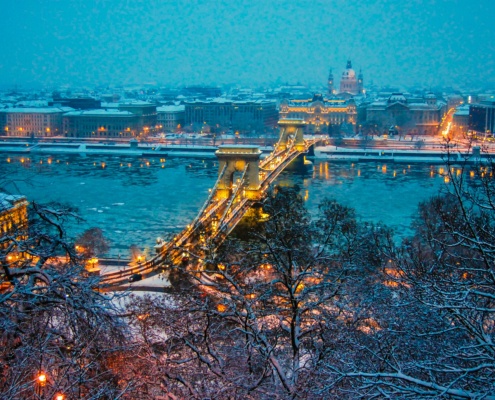
The crowds are present but manageable. You can still get into Fisherman’s Bastion without queuing, still find a table at a good restaurant without a reservation, still walk the Buda Castle District at your own pace.

End of April and May highlights:

  • Budapest Spring Festival — one of the city’s premier cultural events, running across multiple venues with classical music, opera, and contemporary performances. Usually mid-to-late April spilling into early May.
  • Europe Day — most travel blogs completely miss this. It’s a genuine insider tip that positions you as a local expert, not just another travel site.
  • District Birthdays — framed as a reason to explore beyond the tourist trail, which ties perfectly into your walking tour brand philosophy.
  • Children’s Day — We gave it the most detail because it’s genuinely spectacular and underreported in English-language content. It mentions Városliget, Buda Castle, the Children’s Railway, and Müpa — so it also pulls in searches for those specific venues. Great for families searching “Budapest with kids in May.”
  • Perfect conditions for walking tours — comfortable temperatures, long daylight hours, beautiful light
  • Outdoor terraces and rooftop bars fully open
  • The Danube is often at a beautiful level after spring — great for riverside walks

best time to visit Budapest

September in Budapest

For many locals, early autumn feels like the best time to visit Budapest, especially when summer crowds fade, but outdoor life remains vibrant. If May is Budapest waking up, September is Budapest at its most confident. Summer is over, the tourist peak has passed, the light turns amber and low, and the city settles into something richer and more relaxed.

Temperatures are still warm — 18–26°C in early September, cooling pleasantly toward the end of the month. Locals are back from their summer breaks. Restaurants are at their best. The ruin bars are still open but no longer packed with the full summer rush.

September highlights:

  • Budapest International Wine Festival — held at Buda Castle, one of the most atmospheric events of the year. Hundreds of Hungarian wines, live music, and a castle courtyard. Usually first week of September.
  • Jewish Cultural Festival — celebrating the rich heritage of Budapest’s Jewish Quarter with music, food, and cultural events. Typically late August into September.
  • Sziget Festival — technically late August, but worth mentioning. One of Europe’s largest music festivals takes over an island in the Danube for a week. If you’re planning a September trip, consider arriving a few days early to catch it.
  • Softer light — extraordinary for photography and walking
  • Post-summer prices — hotels and flights are noticeably cheaper than July and August
  • The city feels like it belongs to people who actually live here again

What About the Rest of the Year?

While every season has its charm, understanding the trade-offs helps travellers choose the best time to visit Budapest for their own travel style.

Budapest travel tips 2026 - Budapest Couples Experiences - best time to visit Budapest

June, July & August — Summer

Summer in Budapest is busy, hot, and loud. That’s not entirely a bad thing — the city is buzzing, Sziget Festival happens, the outdoor pools and lidos are packed with locals having a wonderful time, and the long evenings are genuinely lovely.

But July in particular can be brutal. Temperatures regularly hit 35°C+, the city centre is crowded with tourists, and queues at major attractions get long. If summer is your only option, go early June or late August — and avoid the absolute peak of July if you can.

Summer events worth knowing:

  • Sziget Festival — late August, Margaret Island. One of Europe’s biggest. Book accommodation months in advance if you’re visiting during this week.
  • Formula 1 Budapest — summer street racing through the city centre. Exciting if that’s your thing, chaotic if it isn’t

best time to visit Budapest

October & November — Autumn

October is an underrated month. The summer crowds have gone, the foliage is turning, and there’s a melancholy beauty to Budapest in autumn that suits the city’s character perfectly. Early October can still be pleasantly warm.

By November, the city is cooling fast and the days are shorter. Not bad, but not the best.

Autumn events:

  • Café Budapest Contemporary Arts Festival — October. A rich programme of contemporary music, dance, and theatre across the city
  • Halloween in the ruin bars — Budapest does Halloween surprisingly well

best time to visit Budapest

December — Winter

December has one major argument in its favour: the Christmas markets. Vörösmarty Square and St. Stephen’s Basilica both host beautiful markets, the city is lit up, and there’s something undeniably romantic about Budapest in the snow.

But it’s cold — genuinely cold, often below freezing — and the days are short. You’ll spend more time indoors. The thermal baths become an even better idea than usual.

December highlights:

  • Christmas markets (Vörösmarty square  and St. Stephen’s Basilica area) — among the best in Central Europe
  • Thermal baths in cold weather — Széchenyi steaming in the snow is an iconic Budapest image
  • New Year’s Eve on the Danube — spectacular

January & February — Deep Winter

The quietest months. Prices are low, crowds are minimal, and Budapest has a stark, moody beauty that certain travellers love. But it’s cold, some attractions have reduced hours, and it takes a specific kind of traveller to fully enjoy it.

Not the best time for a first visit. A wonderful time for a return visit if you know the city.

Best Time to Visit Budapest by Month — Quick Reference

Month Weather Crowds Verdict
January Cold, 0–5°C Very low Off-season, quiet
February Cold, 2–7°C Very low Off-season, quiet
March Cool, 8–14°C Low Getting better
April Mild, 13–18°C Medium Spring Festival season
May Warm, 18–24°C Medium ⭐ Best month
June Warm, 22–27°C High Good but getting busy
July Hot, 25–35°C Very high Peak — plan carefully
August Hot, 24–33°C Very high Sziget Festival
September Warm, 18–26°C Medium ⭐ Best month
October Cool, 12–18°C Low-medium Underrated
November Cool, 6–12°C Low Quieter
December Cold, 1–6°C Medium Christmas markets

The Local Verdict

 We walk in Budapest every single day. We’ve done it in July heat and February frost, in spring rain and September gold. And when guests ask us — genuinely ask us, not for a polished answer but for a real one — we still believe May and September offer the best time to visit Budapest for first-time travellers.

The city is the same city all year. But in May and September, it’s the best version of itself.

One More Thing

Whenever you arrive, make your first morning count. A free walking tour is the fastest way to understand Budapest — its layout, its history, its character, and the hidden things no map will show you.

Join a free walking tour with Trip to Budapest →

Daily departures, English-speaking local guides, tip-based. See you out there


Champions League Final Budapest: Honest Local Guide for Fans

Arsenal vs PSG · Puskás Aréna · 30 May 2026

Yes, the Champions League final is on May 30 at Puskás Aréna. Yes, tens of thousands of fans are flying in from London and Paris. And yes, every travel publisher in Europe is currently telling you to book a rooftop bar package, do a ruin bar crawl and spend €18 on a cocktail with a view.

We are not going to do that.

We run free daily walking tours in Budapest. We know this city. Here is what actually deserves your time before or after the match. This Champions League Final Budapest guide focuses on the city beyond the stadium and the experiences most visitors miss completely.
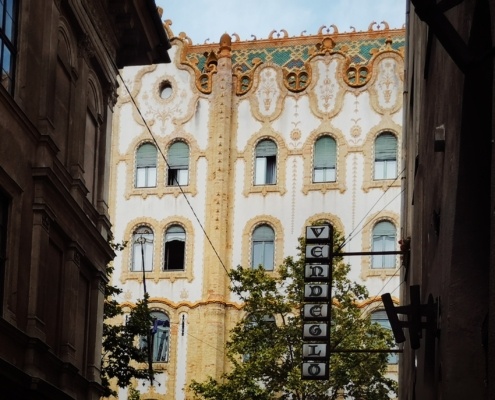
 

Puskás and Budapest — a story worth knowing

The Champions League Final Budapest weekend is also the perfect opportunity to discover the city’s deep football history. Most visitors arrive at Puskás Aréna, see the name above the gate, and move on. That is a shame. Ferenc Puskás is one of the greatest footballers who ever lived — and Budapest is full of traces of him, if you know where to look.

things to do on Father's day in Budapest or Budapest couples experiences

St. Stephen’s Basilica — the golden leg

Walk into St. Stephen’s Basilica in the heart of Pest — one of Budapest’s most magnificent buildings, completed in 1905 after 54 years of construction — and look for the small golden reliquary near the entrance. It marks the burial place of Puskás’s famous golden leg.

Hungary’s greatest footballer is honoured inside the city’s grandest church. It is a strange and moving thing to stand in front of. Most people walk straight past it. Don’t.

The Basilica is also worth climbing for the panoramic terrace — one of the best views over the Danube rooftops in the city.

Champions League Final Budapest -Puskás_statue_in_Óbuda-1

The Puskás statue — Óbuda

Take the HÉV suburban railway or a short metro ride north to Óbuda — the oldest part of Budapest, sitting on top of the Roman city of Aquincum — and you will find a bronze statue of Puskás in a quieter, more personal setting than you might expect. No crowds, no queues. Just the man himself, rendered in bronze, in the part of the city where the story began.

Óbuda is worth the trip on its own. Roman ruins, a completely different pace from central Pest, and some of the best traditional Hungarian food in the city.

The Puskás Museum

For football fans visiting during the Champions League Final Budapest event, this is one of the most meaningful places connected to Hungarian football culture. Right next to Puskás Aréna, the Puskás Museum tells the full story of Hungarian football — and that story is extraordinary.

The Golden Team of the 1950s remains one of the greatest international sides never to win a World Cup. They beat England 6–3 at Wembley in 1953 — the first time England had lost at home to a continental team — and then 7–1 in Budapest six months later. Puskás, Hidegkuti, Czibor, Kocsis. The names still carry weight.

Important note: The Puskás Museum is open until 17 May 2026, then closes between 18 May and 15 June due to preparations for the Champions League final. If you are arriving before the 17th, go. If you are arriving after — the museum will unfortunately be shut for the duration of your visit. Yes, during the biggest football event ever held in the stadium next door. We know.


Parlament -one day itinerary in Budapest

The city beyond the stadium

Since you are here, Budapest deserves more than a match-day dash. Many visitors arriving for the Champions League Final Budapest weekend never properly explore the city outside the stadium area.

Pest is the living, breathing side of the city — wide boulevards, Art Nouveau architecture that will stop you mid-stride, the Great Market Hall piled high with paprika and lángos, and the thermal bath culture that has defined Budapest life for centuries. Széchenyi Baths in City Park is ten minutes by car from the stadium and a genuinely surreal experience: outdoor pools, chess players, steam rising in the cold air.

Cross the Danube. Buda is older, quieter and completely different in character. Buda Castle Hill, Matthias Church, Fishermen’s Bastion, the winding medieval streets of the Castle District — this is the Budapest that has been here since the Romans. Most match-day visitors never make it across the river. You should.

Budapest on a budget

The ruin bars are fine. Szimpla Kert or Instan – Fogas in the Jewish Quarter are institutions and worth seeing once. But the city’s real character is not found at 2am in a bar built inside a derelict factory. It is found in a neighbourhood espresso bar at 8am, or at a table in a family restaurant in the 7th district where the menu comes on a handwritten piece of paper. If you want something more local afterwards, try places like Kisüzem — a chaotic little neighbourhood pub filled with artists, students, and long conversations — or Hintaló Iszoda in the Palace Quarter, one of the last genuinely old-school Budapest bars where locals still argue about politics over fröccs late into the night.

Join our free daily walking tour

During the Champions League Final Budapest weekend, the city will be busy — which makes local recommendations even more valuable. We run free walking tours of Budapest every day. Book or just show up, walk with us, and leave knowing the city — not just the surface of it.

We cover the history, the architecture, the stories that the guidebooks skip, and the practical things that make a visit actually work.

Find more details and the meeting point here.

Budapest is a great city. Come for the football. Stay for everything else.

How Many Days in Budapest Do You Really Need? Honest Local Guide (2026)

Short answer: 2 days minimum. 3-4 days if you want to breathe. But let’s be honest — Budapest has a way of making you want to stay longer than you planned. If you’re wondering how many days in Budapest is enough, the honest answer is that the city rewards slower travel more than most European capitals. Whether you have a long weekend or a full week, here’s exactly how to make the most of your time.


2 Days in Budapest: Survival Mode

For travellers asking how many days in Budapest they need for a quick first visit, two days cover the essentials, but only just. Two days in Budapest is doable, but you’ll be moving fast. Think of it as a highlight reel — you’ll see the big landmarks, tick the thermal baths off your list, and catch a sunset from the Danube. But you’ll leave knowing you missed things.

If 2 days is all you have, prioritise:

  • Buda Castle and the Castle District
  • Fisherman’s Bastion (go early morning — it’s free before 9 am)
  • A soak in Széchenyi or Lukács baths
  • Crossing the Chain Bridge and Liberty Bridge on foot
  • An evening on the ruin bar strip in the Jewish Quarter

The honest downside: You won’t have time to slow down, wander, or discover anything on your own terms. Budapest rewards curiosity — two days don’t leave much room for it.

3 Days in Budapest: The Sweet Spot for Most Visitors

For most visitors, three days is the sweet spot for how many days in Budapest feel ideal without constantly rushing. Three days is when Budapest starts to reveal itself. You have time for the essentials, a day trip moment, and at least one evening where you’re not rushing anywhere.

Day 1 — Get Your Bearings

Start with our free walking tour. Seriously — this is the single best thing you can do on your first morning in any new city. A knowledgeable local guide walks you through the history, the neighbourhoods, and the stories that no guidebook quite captures. You’ll leave with a mental map of the city and a list of places you actually want to go back to.

 Trip to Budapest runs free daily walking tours — tip-based, led by passionate local guides, and one of the best-reviewed experiences in the city. Book your spot before you arrive.

After the tour: explore the Jewish Quarter, grab lunch at the Great Market Hall, and cross the river to Buda for the afternoon.

Day 2 — Go Deeper

Dedicate the morning to Buda Castle and the Castle District at a proper pace. In the afternoon, pick your thermal bath experience — Széchenyi for the grand, social, Instagram-worthy version; Lukács for something more local and atmospheric. In the evening, explore the ruin bars.

Day 3 — Slow Down

Sleep in. Find a café in the 6th, 7th, 11th or 13th district and read for an hour. Walk along the Danube at your own pace. Visit the Hungarian Parliament if you haven’t — the interior tour is genuinely spectacular. End with dinner somewhere you researched, not somewhere you stumbled into out of hunger.

active travel in budapest

4–5 Days in Budapest: When the City Really Opens Up

This is where it gets good. Once you spend four or five days here, your perspective on how many days in Budapest is the perfect amount changes completely. With 4–5 days, you can:

  • Take a day trip to the Danube Bend (Visegrád, Esztergom, Szentendre) — one of the most underrated half-days from any European capital
  • Explore beyond the centre — the 9th district (Ferencváros), the 11th district ( Bartók Béla street), the 13th district (Újlipótváros), the Jewish Quarter at your own pace, Margaret Island for a morning run or picnic
  • Eat properly — Budapest’s food scene deserves more than rushed lunches
  • See the city at different times of day — Budapest at dawn, Budapest at midnight, Budapest in the rain — they’re all different cities


Traveller Type Recommended Days
First-timer, quick trip 3 days
First-timer, want to do it properly 4–5 days
History & culture lover 5–6 days
Food & nightlife focused 4 days
Slow traveller / digital nomad 1–2 weeks
Returning visitor However long you want — you already know why

Budapest travel tips 2026-Budapest transport guide

How Many Days in Budapest Do You Need? A Quick Guide by Traveller Type

What Most Visitors Get Wrong

They pack too much in. Budapest is not a city to rush. The best moments here happen when you’re not on a schedule — a conversation with a local, a courtyard you accidentally walked into, a café where you ended up staying for three hours.

Leave gaps in your itinerary. You’ll fill them better than any travel blog can. People often underestimate how many days in Budapest they actually need to experience the city beyond the main landmarks.

One More Tip Before Planning How Many Days in Budapest

The fastest way to understand any city is to walk it with someone who lives there. Our free walking tours run daily and cover the essential stories, neighbourhoods, and history of Budapest in about 2.5 hours — giving you the context to enjoy the rest of your stay so much more. Ultimately, how many days in Budapest you should plan depends less on sightseeing goals and more on how deeply you want to experience the city.

Book your free walking tour with Trip to Budapest →

No payment needed. Just show up, ask questions, and tip your guide what you think the experience was worth.

Have a question about planning your Budapest trip? Use: agnes@triptobudapest.hu e-mail address. 

Where to Stay in Budapest: Honest Neighbourhood Guide (2026)

Short answer: For most first-time visitors, District V, VI, or VII on the Pest side puts you closest to everything. But the right neighbourhood depends on who you are and how you travel.
If you’re wondering where to stay in Budapest, this guide will help you quickly understand which area fits your travel style best.

Here’s the honest, district-by-district breakdown — no sponsored hotels, no fluff, just what it’s actually like to stay in each area.

First, the Big Picture: Buda vs. Pest

Budapest is two cities joined by bridges. Pest is flat, dense, and buzzing — this is where most of the nightlife, restaurants, ruin bars, and tourist attractions are. Buda is hilly, quieter, and greener — this is where locals go to breathe, and where the Castle District and thermal baths on the western bank sit.

For a first visit, Pest is almost always the better base. You’ll walk more, spend less on transport, and be closer to the energy of the city. Buda is wonderful — but best explored as a day trip from a Pest base, unless you specifically want peace and quiet.
Understanding this difference is one of the most important steps when deciding where to stay in Budapest.
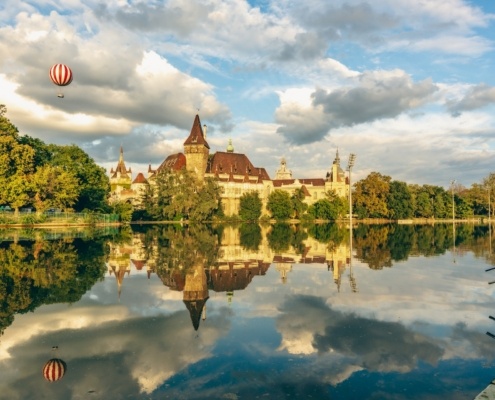
Where to stay in Budapest: The Best Neighbourhoods

- where to stay in Budapest

District V — Belváros (City Centre)

Best for: First-timers, business travellers, luxury stays

The heart of Pest. You’re within walking distance of the Parliament, the Chain Bridge, the Great Market Hall, and the Danube embankment. Everything is convenient, central, and easy. For many first-time visitors, this is the most straightforward answer to where to stay in Budapest, thanks to its central location.

The pros:

  • Unbeatable location — you can walk almost everywhere
  • Beautiful architecture on every corner
  • Great range of hotels from mid-range to luxury
  • Safe, well-lit, busy at all hours

The honest cons:

  • The most expensive area to stay
  • Can feel a little polished and touristy — less “local” atmosphere
  • Váci utca (the main pedestrian street) is full of tourist traps — avoid eating there

Who it’s perfect for: First-timers who want zero friction and maximum convenience. Travellers who prioritise location over price. Anyone staying just 2–3 nights.

hidden gems in Budapest - where to stay in Budapest

District VI — Terézváros (Andrássy Avenue / Opera)

Best for: Culture lovers, mid-range to luxury, elegant stays

One of Budapest’s most beautiful districts. Andrássy Avenue — a UNESCO World Heritage boulevard — runs through it, lined with grand apartment buildings, embassies, and the Hungarian State Opera House. The atmosphere is refined without being stuffy.

The pros:

  • Stunning architecture and wide, tree-lined streets
  • Walking distance to Heroes’ Square, City Park, and the Opera
  • Excellent restaurant scene — more local than District V
  • Well-connected by metro (line M1, the oldest underground railway in continental Europe)
  • Close to the Jewish Quarter without being in the thick of it

The honest cons:

  • Slightly quieter at night than District VII
  • Less budget accommodation available

Who it’s perfect for: Travellers who want elegance and culture over nightlife. Those visiting for longer who want a more residential feel. A brilliant base for culture-focused trips.

where to stay in Budapest

District VII — Erzsébetváros (Jewish Quarter / Ruin Bar District)

Best for: First-timers, social travellers, nightlife, mid-range budget

This is arguably the most exciting neighbourhood to stay in Budapest right now. The Jewish Quarter is one of the most historically layered parts of the city — and it’s also home to the ruin bar scene, the Great Synagogue, and some of the best street food and casual restaurants in town. If you’re unsure where to stay in Budapest, this district offers the best mix of location, atmosphere, and value.

The pros:

  • Central location with a genuine local neighbourhood feel
  • Walking distance to everything on the Pest side
  • Best area for nightlife — you’re already there
  • Fantastic food scene — from street food to serious restaurants
  • Great range of accommodation — hostels, boutique hotels, apartments
  • Dohány Street Synagogue (the largest in Europe) is right here

The honest cons:

  • Can be noisy on weekend nights — especially near Kazinczy Street
  • Some streets feel run-down (that’s partly the charm, partly just run-down)
  • Be aware of the scams and fake drug sellers in the area after dark (see our safety guide)

Who it’s perfect for: First-timers who want to be in the thick of it. Social travellers, solo visitors, those who want nightlife on their doorstep. Anyone staying in a hostel or mid-range hotel.

- where to stay in Budapest

District VIII — Józsefváros (Palace Quarter)

Best for: Budget travellers, returning visitors, those seeking authenticity

District VIII has a split personality. The northern part — known as the Palace Quarter — is genuinely up-and-coming, with a growing café and arts scene, beautiful crumbling buildings, and a local crowd. The southern part around Keleti Station is rougher and less welcoming at night.

The pros:

  • Cheaper accommodation than Districts V, VI, VII
  • The Palace Quarter has real character and local atmosphere
  • Close to the Jewish Quarter and easy to walk to the centre
  • Some excellent value restaurants and bars

The honest cons:

  • The area around Keleti Station is not ideal for late-night wandering
  • Less polished than neighbouring districts — requires a bit more urban savvy
  • Not the best choice for first-time visitors unfamiliar with the city

Who it’s perfect for: Budget-conscious travellers who know cities. Returning visitors who want something more local. Those staying in the northern part of the district (Palace Quarter specifically).

Budapest proposal ideas- where to stay in Budapest

District I — Várnegyed (Castle District, Buda)

Best for: Luxury, romance, peace and quiet

Staying in the Castle District is like staying inside a living museum. Cobbled streets, medieval architecture, sweeping views over Pest — it’s genuinely beautiful. But it’s also quiet, slightly isolated, and not cheap.

The pros:

  • The most atmospheric neighbourhood in the city
  • Incredible views, stunning architecture, romantic atmosphere
  • Very safe and peaceful
  • Unique experience — unlike anywhere else in Budapest

The honest cons:

  • You’ll need to cross a bridge to reach most of Pest’s nightlife and restaurants
  • Limited dining options within the Castle District itself — and those that exist are often overpriced
  • Hilly — not ideal if walking is a challenge
  • A taxi or Bolt ride back at night adds up

Who it’s perfect for: Couples on a romantic trip. Luxury travellers who prioritise atmosphere over convenience. Those on a longer stay who want to experience both sides of the city.

- where to stay in Budapest

District II & XII — Buda Hills

Best for: Families, long stays, digital nomads, those who want a local residential experience

This is where Budapest’s middle class lives. Green, quiet, leafy — and a genuine contrast to the density of Pest. The thermal baths of Lukács and Király are nearby, and the Buda Hills offer hiking, the Children’s Railway, and Normafa.

The pros:

  • Quiet, residential, genuinely local
  • Green spaces and fresh air — great for families
  • Good transport links (trams and buses into the centre)
  • Generally better value than central Pest

The honest cons:

  • 20–30 minutes from the main tourist sights by tram
  • Less walkable for sightseeing
  • Can feel a little dull if you’re here for the city buzz

Who it’s perfect for: Families with young children. Long-stay visitors. Digital nomads who want to live like a local rather than a tourist.

Art Nouveau in Budapest-Gellért bath - where to stay in Budapest

District XI — Újbuda (South Buda)

Best for: Budget, university crowd, longer stays

Home to Budapest’s main university campus, District XI has a young, local energy and some excellent value accommodation. It’s less touristy than anywhere on this list — which is either a pro or a con depending on your perspective.

The pros:

  • Good value for money
  • Lively café and bar scene around the university area
  • Tram 4/6 connects you directly to the Pest centre in 15–20 minutes
  • Tram 47/49 takes you to Grand Central Market and the center.

The honest cons:

  • Further from the main sights
  • Less atmospheric than the central districts
  • Not the obvious choice for a short first visit

Who it’s perfect for: Budget travellers, students, long-stay visitors, anyone who wants a more residential Budapest experience.

Budapest Neighbourhood Quick Reference

District Vibe Budget Best For
V — City Centre Polished, central €€€ First-timers, convenience
VI — Andrássy Elegant, cultural €€–€€€ Culture lovers, longer stays
VII — Jewish Quarter Lively, historic €–€€ Nightlife, first-timers, social
VIII — Palace Quarter Gritty, authentic € Budget, returning visitors
I — Castle District Romantic, quiet €€€ Couples, luxury, atmosphere
II/XII — Buda Hills Green, residential €€ Families, long stays
XI — Újbuda Local, studenty € Budget, long stays

Our Honest Recommendation

Ultimately, where to stay in Budapest depends on your priorities — whether that’s nightlife, convenience, or a quieter local experience.

If it’s your first time: Stay in District VII. You’re central, you’re in the most interesting neighbourhood in the city, and you have everything within walking distance. It’s not the most polished option, but it’s the most alive.

If you want elegance: District VI along Andrássy Avenue. Quieter than VII, more beautiful, and still perfectly located.

If you want pure convenience: District V. You’ll pay more, but you’ll never waste time getting anywhere.

If romance is the priority: Castle District. Cross the bridge into Pest during the day, retreat to the cobblestones at night.

One More Tip Before You Book

Wherever you stay, make your first morning count. Join a free walking tour on day one — it’s the fastest way to understand the city’s layout, know which areas suit you, and get genuine local recommendations on where to eat, drink, and explore near your accommodation.

👉 Join a free walking tour with Trip to Budapest →

Daily departures, English-speaking local guides, tip-based. See you out there.

Hidden Gems in Budapest: 10 Places Beyond the Tourist Trail (2026 Guide)

Updated March 2026

Budapest is famous for headline attractions like the Parliament, Fisherman’s Bastion, and the Chain Bridge. But the city’s real character often appears when you walk a few streets beyond the postcard viewpoints. Hidden courtyards, quiet promenades, Art Nouveau neighborhoods, local market halls, and underground caves reveal a more authentic side of Budapest — the one locals experience every day. In this guide, we share 10 hidden gems in Budapest that are perfect for travelers who want to explore the city on foot and go beyond the usual tourist trail. Whether you are visiting for a weekend or building a longer itinerary, these places offer a more personal, local, and memorable side of the Hungarian capital. And if you want more than directions — if you want local stories, context, and neighborhood insight — many of these places connect naturally with our TripToBudapest.hu – Free Budapest walking tours and private routes.

Trip with Friends in Budapest - hidden gems in Budapest

Why Explore Hidden Gems in Budapest on Foot?

Budapest is one of Europe’s best walking cities.  Exploring hidden gems in Budapest on foot allows you to connect different neighborhoods and discover places that are often missed in typical travel itineraries. Many of its most rewarding places are not major landmarks but side streets, residential districts, hidden passages, and local viewpoints that only make sense when explored slowly. Walking helps you notice the details that bus tours and fast itineraries miss: old staircases, secret courtyards, small galleries, quiet parks, Ottoman-era bath architecture, and the rhythm of real neighborhood life. For visitors looking for non-touristy things to do in Budapest, a walking-focused itinerary is one of the best ways to experience the city.

hidden gems in Budapest - Music Academy

10 Hidden Gems in Budapest You Should Not Miss


  1. Wekerletelep Garden City

One of the most unusual hidden places in Budapest, Wekerletelep feels completely different from the historic city centre. Built in the early 20th century as a planned garden suburb, it is known for folk-inspired architecture, leafy streets, and a calm residential atmosphere. It is far from the usual tourist routes, which is exactly why it stands out.

Why locals love it

Unique architectural style, unlike central Budapest
Quiet squares and community feeling
Local cafés, markets, and everyday neighborhood life
Best time to visit: Late morning or early afternoon. 

Why it’s a hidden gem: Wekerletelep shows a side of Budapest that most first-time visitors never see — peaceful, local, and architecturally distinctive.


  1. Újlipótváros and Szent István Park

If you want to see how many locals actually live, walk, and spend their afternoons, head to Újlipótváros in District XIII. This elegant neighborhood is known for Art Deco and Bauhaus-influenced buildings, independent bakeries, and a relaxed café culture. Szent István Park, right by the Danube, is one of the area’s most loved green spaces.

Why locals love it

Authentic residential atmosphere
Excellent cafés and bakeries on Pozsonyi út
Danube views without the heavy tourist traffic
Best for: Brunch, coffee, sunset walks, and a quieter local experience north of the Parliament.

hidden gems in Budapest

  1. Castle District Backstreets

Most visitors stop at Fisherman’s Bastion, take the view, and leave. But the real magic of the Castle District often begins just beyond the main terrace.

Walk along:

Táncsics Mihály utca
Úri utca
Fortuna utca
Tóth Árpád sétány
These streets offer hidden courtyards, old townhouses, medieval character, and one of the most peaceful panoramic promenades in Budapest.
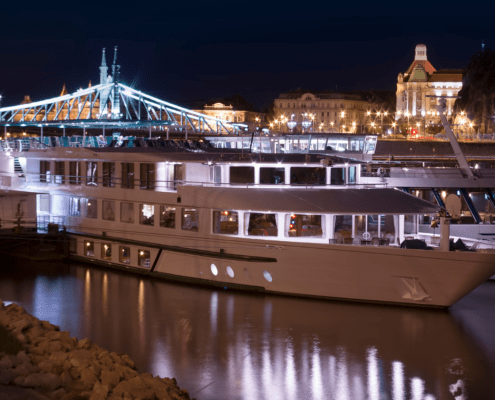
Best time to visit: Early morning or sunset.

Local tip: Tóth Árpád sétány is especially beautiful when the trees are in leaf and the crowds are still low. Book our daily Free Buda Castle Distric Tours.


  1. Veli Bej Thermal Bath

Budapest is famous for thermal baths, but many travelers only hear about the largest and busiest ones. Veli Bej Bath is a more peaceful alternative with a calmer atmosphere and a strong historical feel. Originally built during the Ottoman period, it combines restored Turkish bath architecture with modern facilities.

Why choose Veli Bej

Less crowded than major bath complexes
Beautiful dome and atmospheric interior
Better for a quiet, relaxing experience


For visitors searching for hidden thermal baths in Budapest, this is one of the best options.

hidden gems in Budapest

  1. Jewish Quarter Street Art Alleys

The Jewish Quarter is often associated with ruin bars and nightlife, but during the day it becomes one of Budapest’s most interesting open-air galleries. Murals tucked into side streets reflect local history, urban identity, memory, and modern culture. Because street art changes over time, the neighborhood always feels alive.

Why it matters

A different way to understand the district
Great for photography during daylight hours
Easy to combine with cafés, synagogues, and evening plans
Best time to visit: Daytime, especially late morning or afternoon.

Book Your Free Jewish Quarter Walking Tour.

hidden gems in Budapest

  1. Local Market Halls Beyond the Great Market Hall

The Great Market Hall is well known, but smaller market halls often provide a more authentic Budapest experience.

These neighborhood markets are where locals actually shop for produce, meat, bread, pastries, and Hungarian pantry staples. They are practical, social, and much less staged than the main tourist market. Rákóczi Square Market Hall (District VIII), Lehel Market Hall (District XIII), or on the Buda side, close to the Castle District, the Fény utcai Market (District II).

Why visit smaller market halls?

Better local atmosphere
More everyday life, fewer tour groups
Good for affordable snacks and traditional ingredients


If you are looking for authentic food experiences in Budapest, local markets are a strong place to start.


  1. Buda Underground Caves

Many visitors are surprised to learn that Budapest sits above an extensive cave system, especially beneath the Buda side of the city.

Two of the best-known options are:

Pál-völgyi Cave

Szemlő-hegy Cave


These caves offer a different view of Budapest — geological rather than architectural — and they are especially appealing in warmer months because of their stable temperatures.

Why they stand out

Unexpected natural side of the city
Good year-round activity
Easy to pair with a broader Buda itinerary


For travelers interested in unusual things to do in Budapest, the cave system is one of the city’s most underrated experiences.


  1. Palace Quarter in District VIII

The Palace Quarter is one of the most elegant but overlooked parts of Pest.

Historic palaces, university buildings, renovated public spaces, and quieter streets make it feel refined without being overly polished. It offers the atmosphere of central Budapest without the intensity of the busiest tourist areas.

Highlights include

The Hungarian National Museum
Small galleries and cafés
Architectural details throughout the side streets


This area is ideal for visitors who want to walk through a historic neighborhood at a slower pace.

Winter Activities Budapest 2025 - hidden gems in Budapest

Source: https://www.flickr.com/photos/juzoli/8471240513/

  1. Local Danube Sunset Spots

The main Danube promenade is beautiful, but there are quieter places where locals prefer to sit and watch the light change over the river.

Popular alternatives include:

Benches near Rákóczi Bridge

The Buda riverside below the universities

Peaceful areas north of Margaret Bridge


These places feel less curated and more lived-in. Bring a drink, sit by the water, and let the city come to you.

Best time: Arrive about 30 to 45 minutes before sunset.

Art Nouveau in Budapest - hidden gems in Budapest

  1. Hidden Courtyards of Pest (Andrássy Avenue & Side Streets)

Some of Budapest’s most beautiful spaces are completely invisible from the street. Behind historic façades across central Pest, you can often find hidden inner courtyards, passageways, and staircases that most visitors simply walk past.

Many of these buildings were designed in the late 19th and early 20th centuries, when apartment houses were built around elegant interior courtyards. Today they reveal a quieter and more intimate side of the city.

What you might discover

Spiral staircases and decorative iron railings
Art Nouveau and historic architectural details
Quiet cafés, galleries, or small design shops
Unexpected gardens or peaceful residential courtyards


Courtyards near Andrássy Avenue

Some of the most interesting hidden courtyards can be found just off Andrássy Avenue, Budapest’s grand historic boulevard connecting the city centre with Heroes’ Square. Look into the entrance gates along the smaller streets branching from the avenue, especially:

Nagymező utca – a lively cultural street with theatres and hidden courtyards
Hajós utca – known for restaurants, galleries, and beautiful historic buildings
Dessewffy utca – quieter residential architecture with elegant staircases
Lendvay utca – a leafy street near Heroes’ Square with impressive villas and hidden gardens

Many of these courtyards are open during daytime hours when the entrance gates are unlocked. For visitors searching for secret places in Budapest, hidden courtyards are among the most rewarding discoveries.


Budapest’s real charm often reveals itself beyond the main sights, in the quieter streets and local neighborhoods. Exploring these hidden gems in Budapest gives you a deeper, more personal connection to the city. Slow down, wander a little, and you’ll discover a side of Budapest most visitors never see.

Easter in Budapest with Kids 2026: Family Events & Tips

Spending Easter in Budapest with kids is a wonderful way to combine spring traditions with family travel. Spring arrives, parks turn green, and the city fills with festivals, family programs, and seasonal markets. Here is a practical guide to the best family experiences and useful travel tips.


Easter in Budapest with kids

Best Events during Easter in Budapest with kids

City Park Easter Festival (Városliget)

This is the main Easter event for families in Budapest. The best activities for Easter in Budapest with kids include outdoor festivals, egg hunts, and hands-on craft workshops.
Kids will enjoy:

  • Bunny petting area
  • Folk games and playground activities
  • Craft workshops, such as egg painting
  • Puppet shows and live music
  • Street food and sweets

Parents will appreciate:

  • Large green park areas
  • Easy stroller access
  • Vajdahunyad Castle nearby

How to get there:

Take Metro Line M1 to Hősök tere or Széchenyi fürdő stop.

Tip: Visit in the morning to avoid crowds.


Vörösmarty Square Easter Market

Kids enjoy:

  • Chimney cake stands
  • Handmade toys
  • Street performers

Parents enjoy:

  • Central location
  • Easy stop during sightseeing

How to get there:

Metro M1 to Vörösmarty tér.


Easter at Gozsdu Courtyard (April 3–6)

It is more like a flea and artist market with local vendors surrounded by some of the best restaurants in the city.

Expect:

  • Craft stalls
  • Easter decorations
  • Family-friendly food options

How to get there:

Metro M1 to Bajcsy-Zsilinszky út or Metro M2 to Deák Ferenc tér.

Easter in Budapest with kids - boat cruise

Indoor Programs during Easter in Budapest with kids

Tropicarium Easter Weekend

A good option if the weather is rainy.

Children especially enjoy:

  • Sharks swimming overhead
  • Interactive exhibits
  • Special holiday shows

How to get there:

Bus 33 from Móricz Zsigmond körtér to Campona stop.

Special Family Experience

Danube Easter Boat Cruises

Some cruises include:

  • Live music
  • Buffet dinner options
  • Panoramic city views
  • Best suited for families with older children.

How to get there:

Most cruises depart from docks near Vigadó tér or Elizabeth Bridge, both easily reachable by tram 2.

Budapest proposal ideas - Easter in Budapest with kids

Easy Outdoor Activities for Families

Budapest is very family-friendly, and around April, the weather is perfect for outdoor activities. Longer daylight hours and blooming parks make it especially enjoyable to explore the city with kids this time of year. With fewer summer crowds and comfortable temperatures, families can move at a relaxed pace while still seeing some of Budapest’s most beautiful spots.

Recommended activities:

Children’s Railway in the Buda Hills
Margaret Island playgrounds
Pedal carts in City Park
Scenic Tram 2 along the Danube

How to get there:

Margaret Island: Tram 4 or 6 to Margitsziget / Margit híd
Children’s Railway: From Széll Kálmán tér (Metro Line M2), take tram 59 to Városmajor, then change to the cogwheel railway (line 60) and ride to the final stop, Széchenyi-hegy, where the Children’s Railway begins.

Family-Friendly Thermal Baths

If you’re planning Easter in Budapest with kids, remember that not all thermal baths allow children. Palatinus Baths is the only thermal indoor bath in Budapest where children under 14 are allowed.

How to get there:

Take bus 26 from Nyugati pályaudvar (Western Railway Station) directly to Palatinus Fürdő stop.

Useful Transport Tips for Families

Public transport in Budapest is reliable and affordable.

Children under 6 travel free on all public transportation.

Seniors aged 65 and over also travel free.

Best Value for Children and Students

The Budapest Monthly Pass for pupils costs about 3,450 HUF (around 9 EUR).

A single ticket costs 500 HUF.

If a child travels more than seven times, the monthly pass is already cheaper than buying individual tickets.

The pass is available for:

Children aged 6–14 with photo ID
EU students with a valid student ID


It is usually the best option for families staying several days.


Join our Family-Friendly Free Budapest Walking Tour

You can also join our daily free Budapest walking tours.
Tours last about 1.5 to 2 hours and include many scenic stops suitable for family photos.

Our guides adjust the pace to keep things comfortable for families, with regular stops and engaging stories that keep both adults and older children interested. It’s a relaxed way to explore the city’s highlights while learning fun historical facts and practical local tips that make the rest of your stay easier.


Why Easter Is a Good Time to Visit Budapest

Spring weather is mild, parks are green, and there are many free outdoor programs. It is less crowded than summer, making it ideal for a relaxed family trip.

Easter also brings a festive atmosphere to the city, with seasonal markets, traditional decorations, and special events that give visitors a glimpse into Hungarian culture. The combination of pleasant temperatures and holiday spirit makes it one of the most comfortable and enjoyable times of year to explore Budapest with kids.