Budapest First Time Travel Guide 2026: Sights, Tips & Gems
Budapest City Layout (Budapest First Time Travel Basics)
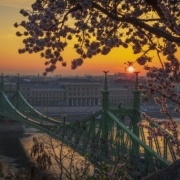
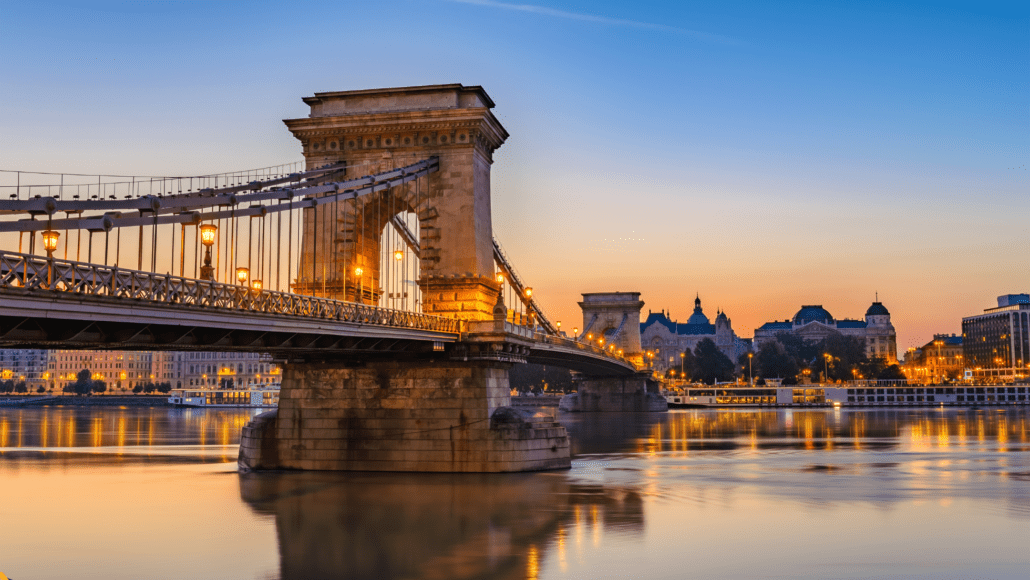
For your first time in Budapest, understanding the city layout is essential. Budapest is divided by the Danube River into two main areas: Buda and Pest. Buda lies on the west bank and is known for its hills, historic castles, and scenic viewpoints, while Pest sits on the east bank and hosts most commercial, cultural, and administrative centers.
The city is further divided into 23 numbered districts. For Budapest first time travel, the most relevant areas are the central districts (I, V, VI, VII), where most major attractions, restaurants, and walking routes are located.
Main Sites to Visit

Hungarian Parliament Building
One of Budapest’s most impressive landmarks and a must-see for Budapest first time travel visitors. Many travelers enjoy it from the outside—walking around Kossuth Square, viewing it from the riverbank, or riding scenic Tram 2—without going inside.
Interior tours are interesting but not essential if you’re short on time or budget.
Local tip: the Parliament Visitor Center is free to enter and has clean public toilets—rare and valuable during sightseeing.
For the best photos, head to Batthyány tér on the Buda side. It’s also the meeting point for our daily Buda Castle District walking tours, which are especially helpful for planning your future activities here.
Széchenyi Thermal Bath
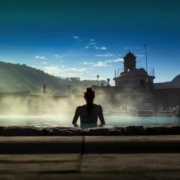
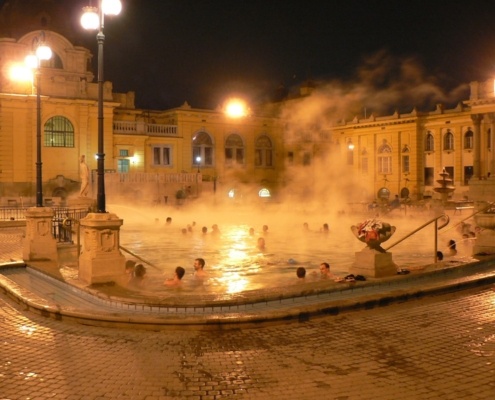
Budapest’s most famous bath and often the first spa experience during Budapest first time travel. It’s lively, busy, and expensive—but memorable.
For a quieter, more local alternative, Lukács Baths and Rudas Baths usually offer better value and fewer crowds.
Practical tips for first-time visitors:
-
Bring your own towel and flip-flops if possible
-
A swimming cap is required for lap pools
-
Rentals are available, but the quality is basic
Buda Castle District & Castle Hill (A First-Time Favorite)
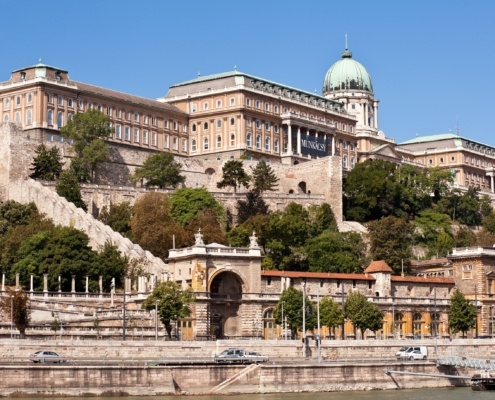
For Budapest first time travel, this area is best enjoyed for its views, cobblestone streets, and atmosphere rather than museums alone. Simply walking the courtyards, old town streets, and lookout points is free—and often the highlight.
To avoid tourist traps and find the best viewpoints, many first-time visitors benefit from joining a guided walk. Our daily Free Buda Castle District walking tour offers a clear overview led by local guides who know the area inside out.
Andrássy Avenue & Heroes’ Square
Ideal for a relaxed walk and architecture lovers during their first time traveling to Budapest. While the avenue is elegant, most shops are international chains, not great for unique Hungarian shopping.
Heroes’ Square is worth a quick stop for photos and historical context, especially if you’re visiting nearby City Park. Come here for atmosphere—not bargain shopping.
Central Market Hall (And a Better Local Alternative)
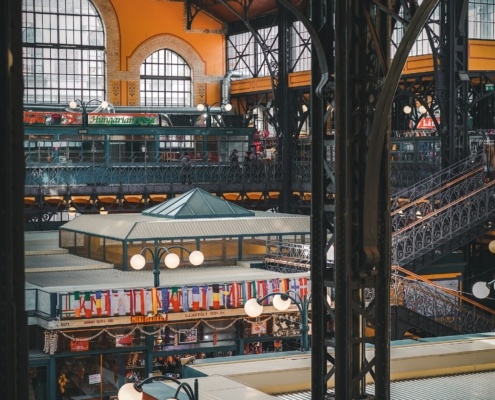
The Central Market Hall is worth a short visit for atmosphere, but prices are higher than those in neighborhood markets. Locals mainly shop on the ground floor; the upper level is tourist-oriented.
For a more authentic Budapest first time travel experience, visit Fény Street Market Hall instead. It’s still a working local market with fresh produce, meat, fish, and Hungarian street food at local prices.
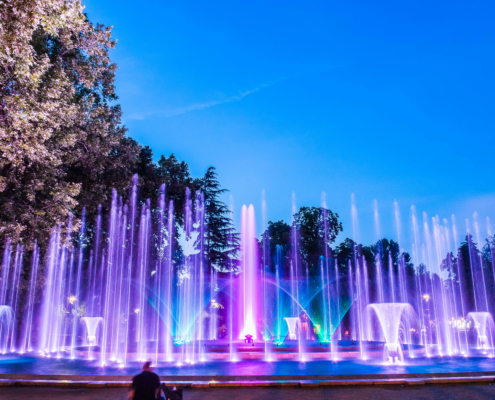
Margaret Island – Free Relaxation for First-Time Visitors
One of the best free places in the city, especially appreciated during your Budapest first time travel. Locals jog, picnic, and unwind here year-round.
You can also swim in every season at Hajós Alfréd National Swimming Pool and Palatinus Baths.
Family tip: Margaret Island pools are the most child-friendly option in Budapest and allow children under 14—even in winter—unlike most downtown thermal baths.

Eating Like a Local in Budapest (Without Overpaying)
For Budapest first time travel, food choices can make a big difference. Restaurants near major sights often charge more for average quality. Locals eat a few streets away.
Key local strategies:
-
Look for “napi menü” lunch deals on weekdays
-
Choose neighborhood bistros in Buda, Újlipótváros, or quieter Jewish Quarter streets
-
Walk 200–300 meters away from major landmarks
-
Follow lunchtime office crowds
Local rule of thumb: the closer a restaurant is to a famous sight, the higher the price—and often the lower the quality. For local restaurant recommendations, you can also ask our guides. Each of our tours finishes with a personal recommendation list of our favorite authentic places.
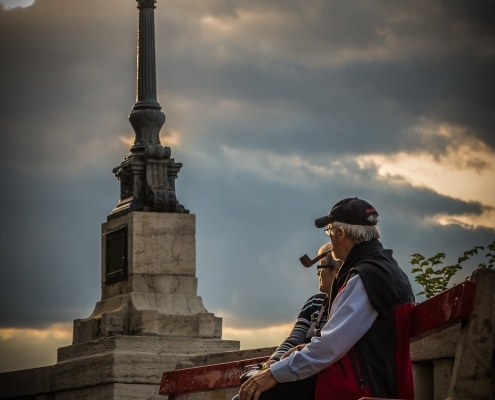
Hidden Corners Worth Your Time on a First Visit
Stepping away from major sights is where your first experience with Budapest becomes truly memorable.
-
Jewish Quarter backstreets (mornings) – calm, local bakeries, everyday life
-
Danube paths south of downtown – fewer crowds, relaxed riverside walks
-
Pozsonyi Street (Újlipótváros) – local cafés, wine bars, neighborhood vibe
-
Residential Buda cafés and parks – quieter, cheaper, more authentic
These areas show Budapest as locals live it—relaxed, practical, and welcoming.
Are Free Walking Tours Worth It for Budapest First Time Travel?
Yes. For Budapest, free walking tours are one of the easiest ways to understand the city’s layout, history, and everyday life in a short time.
They help you:
-
Get oriented quickly
-
Discover hidden corners
-
Avoid common tourist traps
-
Decide what to explore deeper later
Our Trip to Budapest free walking tours are led by local guides and combine major highlights with practical advice you won’t find in guidebooks—making them an ideal starting point for first-time visitors.
Budapest First Time Travel: Frequently Asked Questions
How many days do I need in Budapest?
3–4 days is ideal for main sights, thermal baths, and local neighborhoods.
What’s the easiest way to move between attractions?
Walking and public transport work best. Trams 2, 19, 47, are both scenic and practical.
Is Budapest wheelchair accessible?
Most modern attractions are accessible, but some historic areas have stairs or steep paths.
What should I wear in February in Budapest?
Warm layers, a winter coat, gloves, a hat, and comfortable walking shoes.
How can I avoid crowds in Budapest?
Visit early in the morning, go on weekdays, and explore quieter neighborhoods and baths.
Is Budapest expensive for tourists?
Budapest is more affordable than many Western European capitals, especially for food and public transport, but prices near major attractions are higher. Eating where locals do saves a lot.
Is Budapest safe for first-time visitors?
Yes, Budapest is generally very safe. Pickpocketing can happen in crowded areas, and it’s smart to watch drinks in busy nightlife spots.
Do I need cash in Budapest or can I use cards?
Cards are widely accepted, but small cafés, markets, and street food places, public toilets often prefer cash. The local currency is Hungarian forint (HUF).
What’s the best area to stay in Budapest for sightseeing?
Central Pest (Districts V, VI, and VII) is most convenient for walking, transport, restaurants, and major attractions.
Are thermal baths open in winter?
Yes — Budapest’s thermal baths are open year-round and are especially popular in winter.
Can I drink tap water in Budapest?
Yes, tap water is safe to drink throughout the city.
Is English widely spoken in Budapest?
Yes, especially in tourist areas, restaurants, hotels, and public transport hubs.
Do I need to tip in Budapest restaurants?
Tipping around 10% is customary if service is not already included on the bill.
Are free walking tours in Budapest worth it for first-time visitors?
Yes — free walking tours are one of the best ways to understand Budapest’s history, layout, and local life in a short time. They help you get oriented, discover hidden corners, and avoid common tourist traps. Our Trip to Budapest free walking tours are led by local guides and cover the main highlights along with practical tips you won’t find in guidebooks.